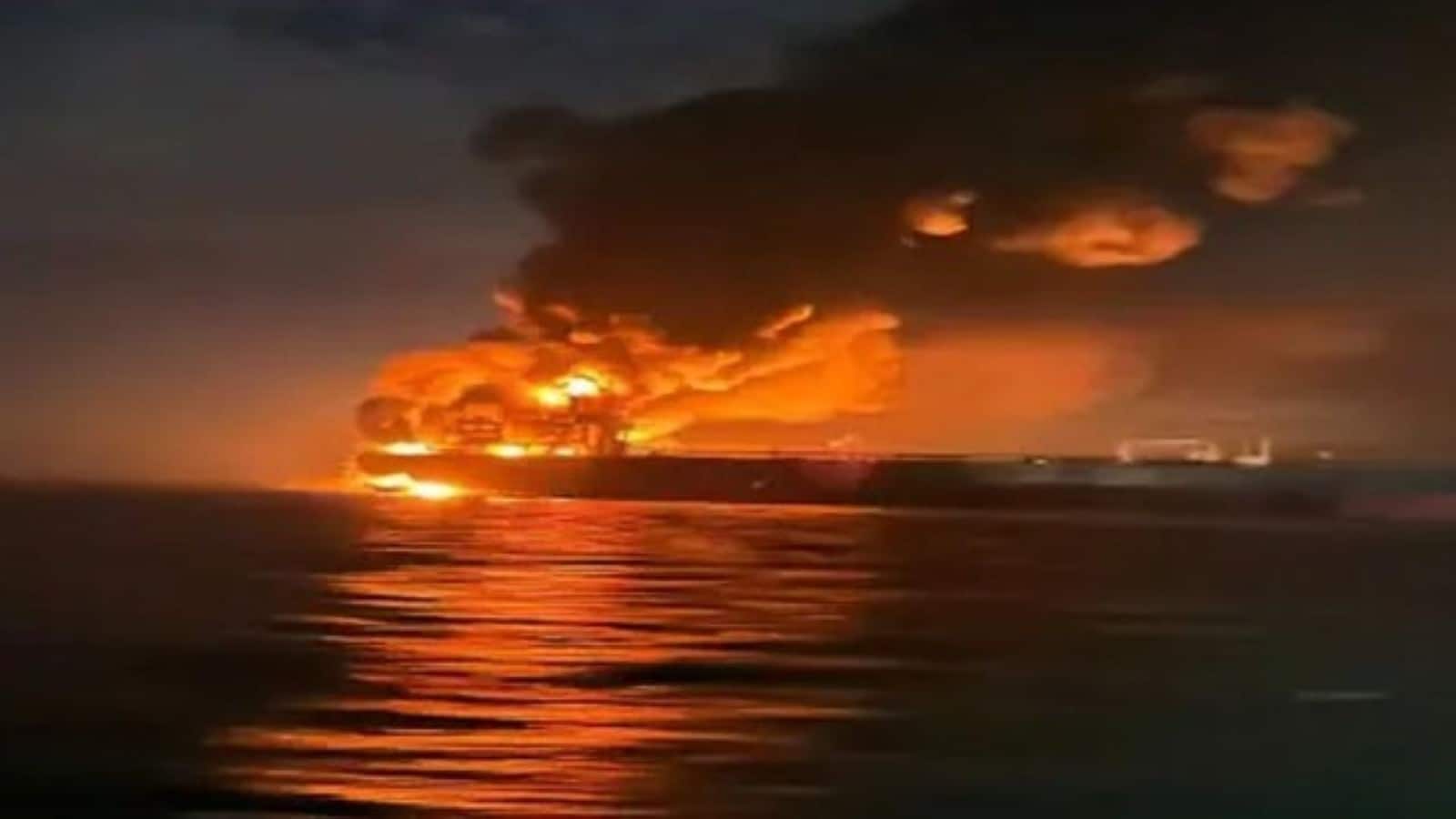
Charging a toll on the open ocean sounds like a plot from a medieval history book. Yet, that is exactly what global shipping fleets are facing right now. When Washington announced it would unilaterally slap a 20% surcharge on cargo moving through the Strait of Hormuz, it sent shockwaves through the global supply chain. The backlash was instant, loud, and remarkably unified.
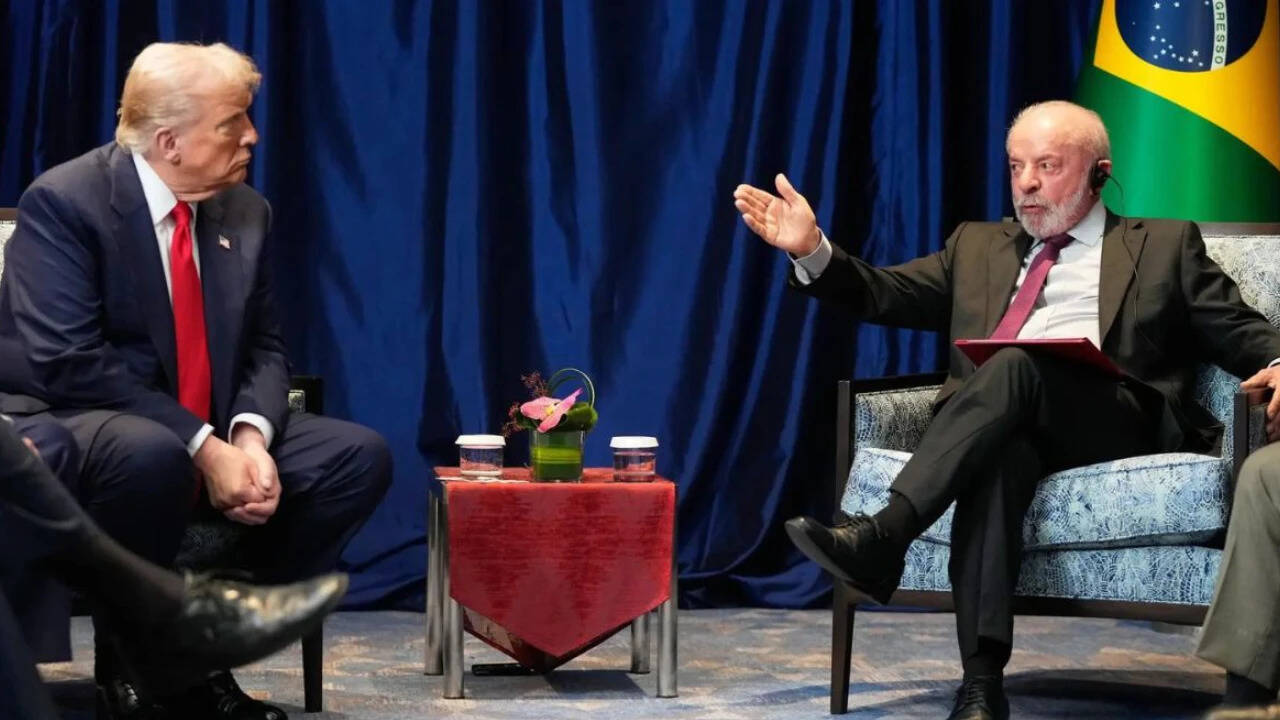
The biggest blow did not come from traditional adversaries, but from traditional trade partners. Brazilian President Luiz Inácio Lula da Silva did not hold back, openly calling the move plain old piracy. He is not wrong to worry. A tax on the world's most critical maritime chokepoint does not just hit oil tycoons; it clobbers ordinary consumers from São Paulo to Chicago.
This move represents an unprecedented shift in maritime policy. For decades, the global economy relied on the idea that international straits remain free and open to everyone. By trying to monetize the protection of these waters, the current administration is rewriting the rules of global commerce on the fly. It is a high-stakes gamble that could fundamentally break how products move across the planet.
The Day Washington Claimed the Strait
The drama kicked off when the White House declared the United States the official Guardian of the Hormuz Strait. Via social media and subsequent press briefings, the administration announced a mandatory 20% fee on all eligible cargo transiting the narrow waterway. The rationale presented was simple business logic. If the American military is risking lives and spending billions to keep the strait safe from Iranian aggression, the nations and companies benefiting from that security should foot the bill.
Central Command quickly followed up by confirming the reinstatement of a full naval blockade against vessels traveling to or from Iranian ports. They issued a stark notice to mariners warning that force would be used against non-compliant ships, though humanitarian cargo would technically be allowed through.
To put this 20% toll into perspective, consider a fully loaded supertanker carrying crude oil. At current market rates, a single transit could face an added bill of nearly $30 million. That is not pocket change. It is an astronomical cost increase that shipping companies cannot simply absorb. They will pass it down the line. Every single cent of that toll will eventually find its way into the prices consumers pay at the pump and the grocery store.
Why Brazil Is Leading the Backlash
Lula took the stage at a public event in São Paulo state and put the administration on blast. He mocked the idea that a superpower could double as a maritime tax collector. His exact words cut right through the diplomatic fluff. He noted that in the old days, taking money from ships by force was called piracy. He argued that a major nation cannot suddenly decide to become a pirate state.
This is not just empty political theater for Lula. He is dealing with a fragile domestic economy and an upcoming presidential election where inflation is the biggest threat to his political survival. Brazil is already feeling the squeeze from the broader conflict in the Middle East. The spikes in global crude prices have forced his government to roll out temporary emergency measures to cushion local fuel costs.
Lula made a direct line between the chaos in the Gulf and the cost of living for everyday Brazilians. When oil prices jump, transportation costs skyrocket. In Brazil, that immediately inflates the price of basic dietary staples like rice, beans, onions, and tomatoes. For a leftist leader trying to protect the working class, a random 20% American shipping toll is an existential threat to domestic stability. He called out the global injustice of a wealthy nation taking advantage of a geopolitical tragedy to generate revenue at the expense of developing economies.
The Internal Policy Clash in Washington
The weirdest part of this entire situation is how badly it contradicts Washington's own very recent policy positions. Just three weeks before this announcement, Secretary of State Marco Rubio explicitly told reporters in Bahrain that international law strictly forbids any nation from charging fees in the Strait of Hormuz.
Rubio was clear on this point. He stated that no country is allowed to charge tolls or fees on an international waterway, calling it established international law. He even went out of his way to claim there was absolutely zero support among Gulf nations for any kind of transit fee, assuring the world that the president had made it clear it would never happen.
To have the White House turn around and implement the exact policy its own Secretary of State called illegal a few weeks prior is dizzying. It creates massive confusion for international partners. Shipping lines literally do not know who is running the show or which policy will stick by next week. When a superpower speaks with two entirely different voices in less than a month, trust evaporates.
The Legal Reality of International Waters
The United Nations was quick to weigh in, and they did not side with the White House. The International Maritime Organization issued a blunt statement clarifying that there is absolutely no legal basis for imposing mandatory transit fees on ships using international straits.
Under long-standing maritime conventions, specifically the United Nations Convention on the Law of the Sea, international straits enjoy a status known as transit passage. This means commercial vessels have the right to continuous and expeditious navigation without political or financial interference from coastal states. Even though the United States never formally ratified the convention, it has historically recognized and enforced these rules as customary international law to protect its own global naval mobility.
By tossing these rules out the window, the administration is setting a dangerous precedent. If the United States can charge a 20% security fee for the Strait of Hormuz, what stops Egypt from charging an extra security tax for the Suez Canal? What stops Panama from raising its rates under the guise of local defense? The entire legal framework that keeps global trade predictable is suddenly up for grabs.
Iran Cheeky Response to the Toll
Iran saw an immediate opportunity to exploit the geopolitical chaos. Rather than launching a standard military threat, Iranian Foreign Minister Seyed Abbas Araghchi took to social media to mock the American proposal with a heavy dose of sarcasm.
Araghchi ironically agreed with the basic premise, writing that whoever provides safe passage through the strait should indeed be compensated. He then claimed that Iran has always been the true guardian of the waterway and will remain so forever. He added that a 20% toll is obviously way too high, cheekily promising that Iran would be much fairer with its pricing.
It is a clever PR move that highlights the absurdity of the American position. By acting as a commercial competitor rather than a rogue state, Iran shifts the narrative away from its own aggressive actions in the Gulf, such as the recent cruise missile strikes on commercial tankers. It makes the conflict look less like a defense of global freedom and more like a turf war between two rival protection rackets.
What Corporate Supply Chains Must Do Next
Waiting around for diplomats to settle this argument is a losing strategy for anyone running a business that relies on global trade. The threat of a sudden 20% spike in shipping costs means you need a concrete backup plan immediately.
First, recalculate your supply chain route vulnerabilities. If your goods or raw materials trace back through the Persian Gulf, you must model the financial impact of a 20% cargo surcharge. Look seriously at overland alternatives or alternative sourcing regions entirely, even if they look slightly more expensive on paper right now. The predictability of your costs is worth the premium.
Second, audit your maritime insurance policies. Standard hull and cargo insurance will not cover losses stemming from political tolls, and many war-risk policies are being rewritten as we speak to account for this blockade. Call your broker and get explicit clarity on what happens if your vessel is detained or turned back for refusing to pay a unilateral American fee.
Third, build flexibility into your customer contracts. Do not lock yourself into fixed-price long-term agreements without robust clauses that allow you to pass down sudden, government-imposed maritime tariffs or tolls. If you get stuck absorbing a multi-million dollar shipping surcharge because your contracts are rigid, it could easily break your business before the politicians ever figure out a solution.