Commercial shipping isn't a board game, but the superpowers playing in the Middle East right now seem to have forgotten that.
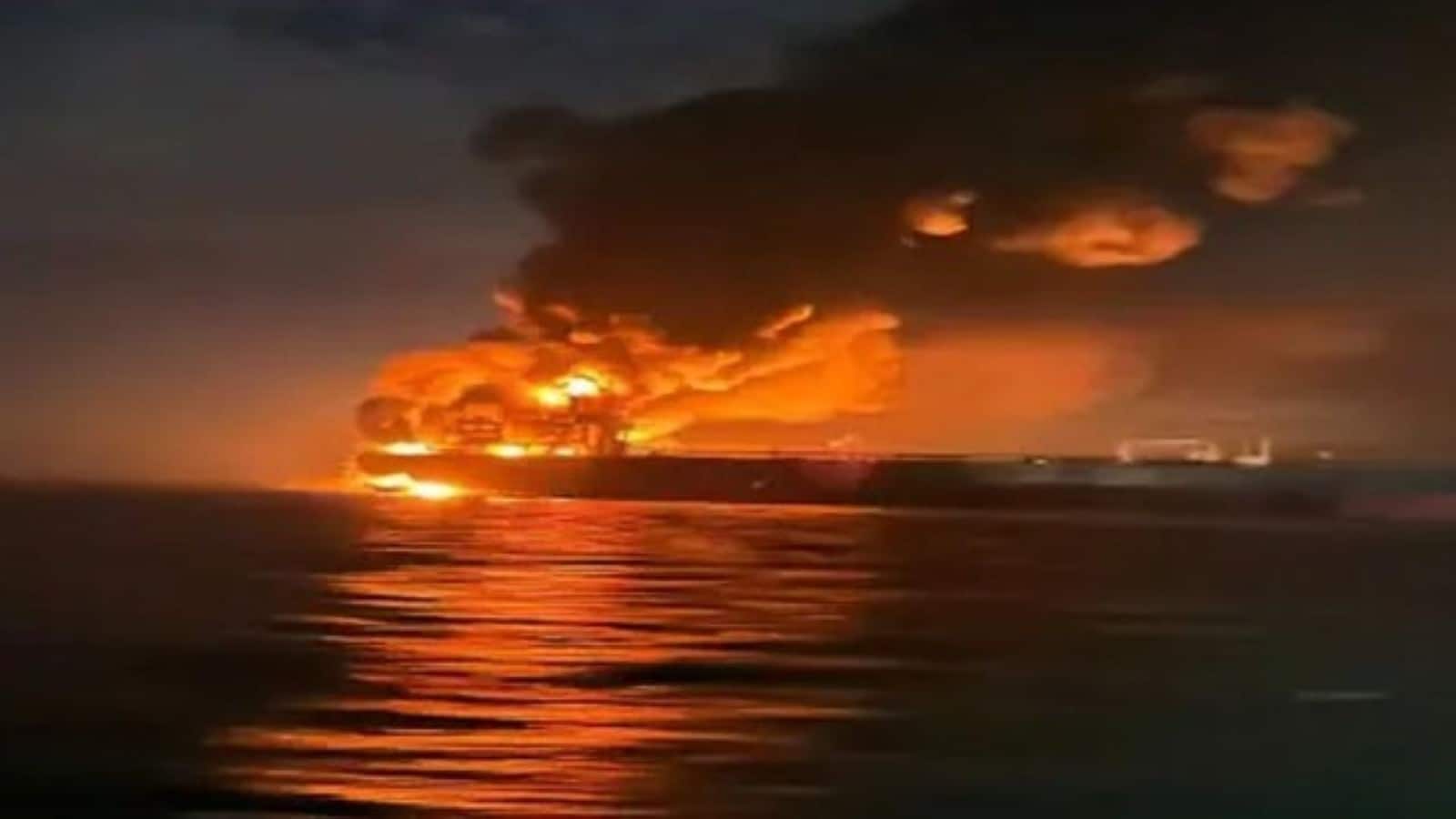
On Tuesday, July 14, 2026, the ongoing escalation between Washington and Tehran reached a devastating tipping point. Two UAE-flagged oil tankers, the Mombasa B and the Al Bahiyah, were ripped apart by Iranian cruise missiles while navigating the southern shipping lane of the Strait of Hormuz. The vessels were passing through Omani territorial waters—supposedly a safe transit corridor—when the strikes hit.
The immediate toll? One Indian sailor is dead, and eight other crew members are wounded, including six Indians and two Ukrainians. Four of those men are currently fighting for their lives with severe injuries.
This isn't just another headline about oil prices or geopolitical positioning. It is a stark reminder that the men and women running our global supply chains are trapped in a literal crossfire. If you want to understand why global trade is on the verge of a breakdown and why shipping insurance rates are about to skyrocket out of reach, look no further than this single morning in the Gulf.
Blatant Piracy or Enforced Borders?
The narratives coming out of Abu Dhabi and Tehran couldn't be further apart.
The UAE Ministry of Defence pulled no punches, labeling the missile strikes a "blatant attack" and a "grave violation of international law." They are right. Targeting commercial vessels in sovereign Omani waters is a massive breach of maritime norms. Abu Dhabi immediately placed its military on high alert and stated it reserves the full right to respond.
Then you have Iran's Islamic Revolutionary Guard Corps (IRGC). They didn't deny the strikes; instead, they essentially blamed the victims. According to the IRGC, the two supertankers were "offending" vessels that ignored multiple warnings, deliberately turned off their transponders, and tried to sneak through what Iran claims is a mined route.
The IRGC went a step further, pointing the finger directly at Washington. They accused the U.S. of "inciting vessels to use an illegal route" and warned that anyone cooperating with the American military will face severe consequences.
Let's cut through the noise. Tankers don't randomly turn off their tracking systems to play hide-and-seek in the world's most dangerous chokepoint. Captains do that when they're terrified of being targeted, or when they're trying to dodge hostile patrols. The reality is that Iran is using its missile arsenal to enforce total control over the strait, twisting maritime rules to justify raw aggression.
The Dangerous New Math of Shipping Protection
To understand why this happened today, you have to look at what Donald Trump did yesterday.
The U.S. military just wrapped up its third straight night of air strikes against Iranian targets. In tandem with those strikes, President Trump announced the reinstatement of a strict naval blockade on all Iranian shipping. But the real kicker—and the move that has completely upended the commercial shipping industry—is Trump’s new proposal to charge a 20% protection fee to escort commercial vessels through the Strait of Hormuz.
Think about that for a second. The U.S. is basically turning maritime security into a subscription service.
Traders in Asian markets are already panicking, and oil prices have jumped to a one-month high. A 20% levy on cargo value to secure a transit route is a massive financial hit. Many shipowners are stuck in an impossible dilemma: pay an astronomical premium to the Americans, or risk running the gauntlet alone and getting hit by an Iranian cruise missile. The Mombasa B and the Al Bahiyah didn't have a shield, and they paid the ultimate price.
India Caught in a Geopolitical Vice
The human tragedy of this strike hits New Delhi the hardest. India's Ministry of External Affairs didn't waste any time; they immediately summoned Iran’s Deputy Chief of Mission to lodge a fierce protest.
This isn't an isolated incident for Indian seafarers. The wider regional war, which flared up back in February, has already claimed the lives of 11 Indian nationals working on commercial ships. Just last month, three Indian sailors were killed when an apparent U.S. strike hit a Palau-flagged tanker.
India relies heavily on Persian Gulf oil, and its citizens make up a huge chunk of the global merchant marine workforce. New Delhi has tried to walk a diplomatic tightrope throughout this crisis, balancing its ties with Washington, its strategic investments in Iran, and its deep energy relationships with the Gulf states. But when Indian citizens are coming home in body bags simply for doing their jobs, diplomatic neutrality starts to look incredibly thin.
What Happens Next for Global Supply Chains
If you operate a business that relies on maritime freight, you need to prepare for immediate disruptions. This isn't a problem that will resolve itself by next week. Here is what you should expect in the immediate aftermath of the Hormuz strikes:
- Insurance Costs Will Explode: "War risk" insurance premiums for the Persian Gulf will skyrocket. Some underwriters might refuse to cover the Strait of Hormuz entirely without guaranteed military escorts.
- The Route Diversion Headache: Shipowners are going to avoid the strait whenever possible. That means longer transit times, delayed deliveries, and higher fuel surcharges passed down to businesses and consumers.
- The Energy Ripple Effect: Roughly a fifth of the world's daily oil and gas traffic passes through this narrow corridor. A sustained blockade or a series of successful missile strikes will trigger a global energy crunch, driving up manufacturing and shipping costs across the board.
The era of free, open, and unhindered ocean transit in the Middle East is on pause. If commercial vessels can be targeted inside Omani waters with impunity, no spot in the Gulf is truly safe.
Your immediate next step should be auditing your supply chain dependencies. Identify any critical components or raw materials routing through the Middle East and start scouting alternative logistics pathways or suppliers. The geopolitical friction isn't easing up, and relying on a single, vulnerable choke point right now is a gamble you don't want to take.