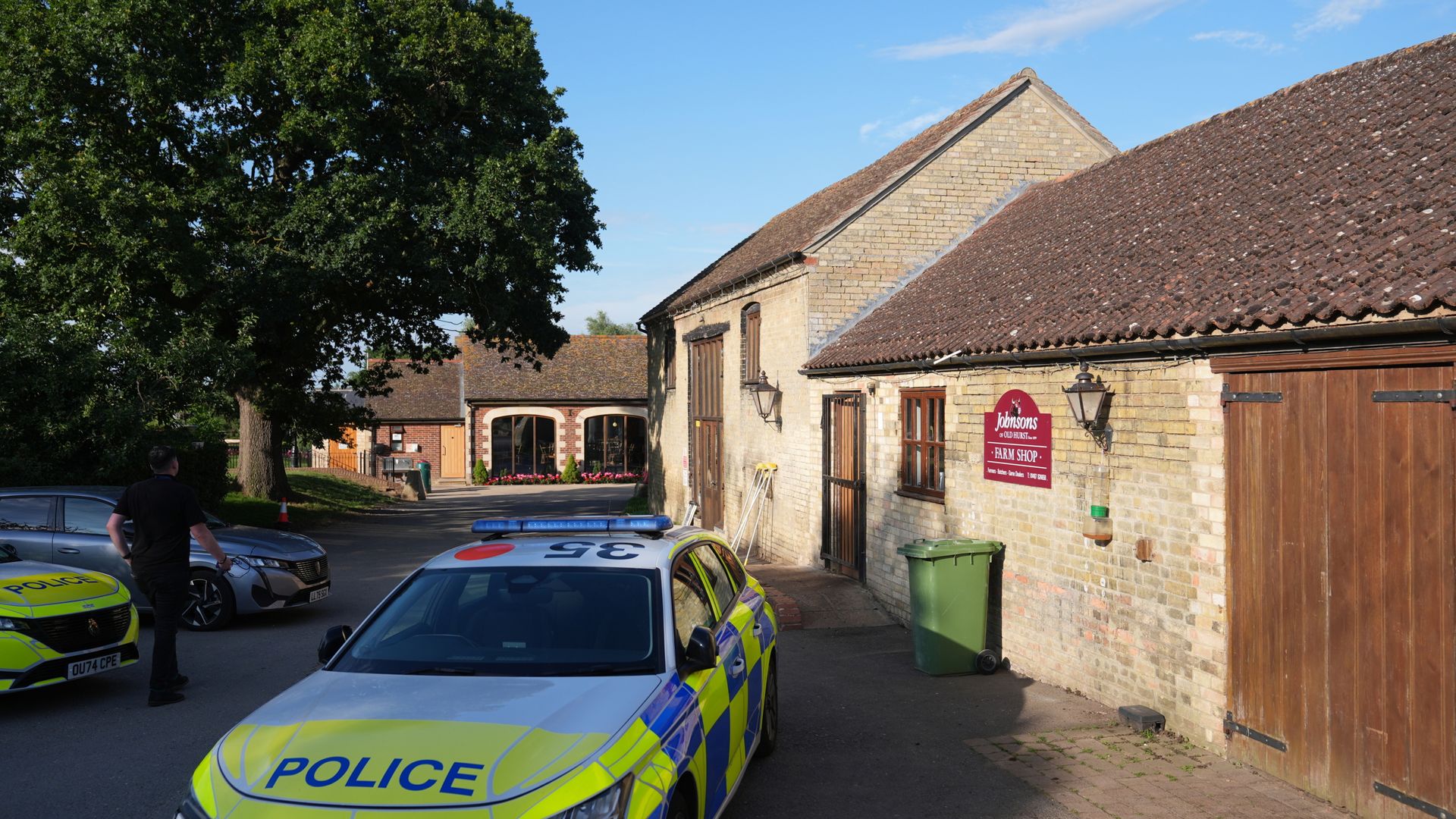
The recent, harrowing incident at Johnsons of Old Hurst in Cambridgeshire, where a three-year-old boy was seriously injured after ending up in a crocodile enclosure, has shaken many parents. It’s the kind of story that stops you in your tracks. While the child is now in a stable condition and his family has finally spoken out to thank the heroic staff who stepped in, the broader question of how this could even happen remains.
Honestly, we need to talk about the reality of zoo safety. It’s easy to assume that because a facility is open to the public, it’s a fortress of safety. The truth? Zoos are complex environments. They are balancing animal welfare, public interaction, and constant visitor traffic. When you mix young children with apex predators, the margins for error are terrifyingly thin. Recently making waves lately: Why The Fallen Air Defense Soldiers In Jordan Expose The Reality Of Regional Warfare.
The Reality Behind the Incident
On June 18, 2026, a situation unfolded that no parent ever wants to imagine. Reports suggest the boy was allegedly thrown into the enclosure. A 30-year-old man from Norfolk was arrested on suspicion of attempted murder. The police have stated they don't believe the man and the child knew each other.
Beyond the criminal aspect, this incident raises serious questions about how we view barrier security. Modern zoos use a mix of glass, wire mesh, and physical distance (moats or set-back barriers) to keep us safe. But those barriers are generally designed to stop a child from climbing or falling in—not necessarily to stop a deliberate act of violence. Further details into this topic are explored by The New York Times.
The heroic intervention by the zoo’s co-owner, Tracey Johnson, who reportedly jumped into the enclosure to save the child, highlights that the "safety" of a zoo often rests on the immediate, manual response of staff rather than just the height of a fence.
Why Current Safety Standards Might Not Be Enough
Most regulatory bodies, like the Care Quality Commission or relevant wildlife governing boards, set high bars for enclosure integrity. These include:
- Structural Standards: Fences and barriers must meet specific strength requirements—usually steel pipes or reinforced chain link—to prevent animal escape.
- Access Control: Double-gate systems are standard to ensure that when a staff member enters for cleaning or feeding, the animals can’t slip past them.
- Containment Barriers: Moats or moats-plus-fencing are often used to ensure there is a clear "no-go" zone for visitors.
The problem arises when these systems are bypassed. If you look at standard zoo guidelines, the focus is almost entirely on preventing animal escape or keeping the public at a "safe distance." There is a fundamental difference between a child accidentally stumbling into a pond and a deliberate act. We have to ask: if a visitor decides to break the rules, is there a fail-safe? Often, there isn’t.
Lessons for Families Visiting Wildlife Parks
You’re the first line of defense for your children. As a parent, you can't just trust the signage. Here’s what I’ve learned from watching these types of facilities over the years:
- Keep the "Gap" Real: Always stay behind the secondary barriers. Even if a child can see through a fence, that distance is there for a reason.
- Watch the Vibe: If you see anyone acting erratically near an animal exhibit, move your family away. Don't worry about being polite.
- Understand the Risk: Reptile houses are particularly deceptive. Crocodiles and alligators look sluggish until they aren't. They can explode into action in a fraction of a second.
- Supervision is Active: Don't let your kids touch or lean on enclosures. Ever.
The Long Road to Recovery
The family’s statement was clear. They’re focusing entirely on their son’s recovery, which they describe as "extremely challenging" and a "prolonged period of time." He has undergone multiple surgeries, and the trauma—both physical and psychological—is something they’ll be dealing with for years.
The police investigation is still very much active. The CQC is currently reviewing the situation to see if any regulatory failure occurred or if further oversight is required. It’s a somber reminder that in places where we go for entertainment, we are still guests in an environment where wild animals, by definition, don't belong to our world.
If you’re planning a trip to a wildlife park, use this as a wake-up call to stay alert. Don’t rely on the fact that a business is open for the public to mean that danger is impossible. Stay close, stay observant, and don't hesitate to leave if something feels off.
Our priority should always be the safety of the most vulnerable among us. If this story teaches us anything, it’s that the line between a fun day out and a lifetime of tragedy can be razor-thin. Stay safe out there.
Family of boy who was injured in crocodile enclosure thanks zoo staff
This video provides additional context regarding the immediate police response and the initial details of the investigation into the incident at the zoo.