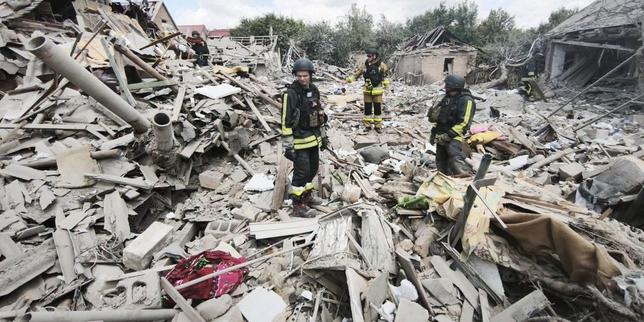
Russia just hammered the Zaporizhzhia region again, and the numbers coming out are grim. Overnight and early morning strikes left a trail of ruined homes, shattered windows, and human wreckage. Local military officials confirmed multiple fatalities and dozens of injuries across the oblast.
If you're tracking the frontline updates, it's easy to get numb to the daily casualty counts. But the tactical shift behind these specific hits tells a much bigger story about where this war is heading in mid-2026.
The strategy isn't just about terrorizing civilians anymore. It's about systematically exploiting a glaring vulnerability in Ukraine's tactical defense net. Let's look at exactly what happened over the last twenty-four hours and why the standard Western aid packages aren't stopping it.
The Cost of the Latest Bombardment
Ivan Fedorov, the head of the Zaporizhzhia Regional Military Administration, spent his morning posting grim updates on Telegram. The baseline facts are clear. A mix of guided aerial bombs (KABs) and attack drones hit both high-rise residential districts and private sectors.
Initial reports from the ground detailed heavy strikes on local transit. One of the deadliest hits over this continuous wave targeted a civilian minibus on June 29. It killed passengers on the spot and left others fighting for their lives in regional hospitals. By the time the morning sirens went off on June 30, a separate drone strike tore into a two-story building, triggering immediate fires.
First responders pulled four civilians from the rubble of the morning strike alone. Emergency crews identified the victims as a 48-year-old woman and three men aged 51, 54, and 67. The blast wave was intense enough to wreck five nearby cars and blow the windows out of surrounding residential blocks.
This wasn't a random stray missile. The local administration reported that Russian forces launched hundreds of individual strikes across dozens of front-line settlements in the region within a single 24-hour window. The density of the fire makes regular life impossible.
The Glide Bomb Problem Nobody Can Solve
People watching from afar often ask why Ukraine can't just shoot these threats down. You hear about Patriot systems and NASAMS all the time. The reality on the ground is brutally different.
The weapon doing the most damage right now is the KAB—a Soviet-era heavy bomb retrofitted with cheap pop-out wings and a satellite guidance module. They don't emit a continuous radar signature like a cruise missile. They don't slowly buzz through the air like an Iranian-designed Shahed drone.
Russian jets release these bombs from deep within their own airspace, often 40 to 60 kilometers away from the target line. The bombs glide silently toward their targets. By the time local radar picks up the trajectory, residents have mere minutes, sometimes seconds, to find a basement.
The math is simple and terrifying. A standard air defense missile costs anywhere from several hundred thousand to several million dollars. A retrofitted glide bomb costs a fraction of that. You can't sustain a defense strategy where you shoot down a five-thousand-dollar block of explosives with a million-dollar interceptor, especially when you are running out of interceptors.
What Life Looks Like in the Impact Zone
When a KAB hits a residential block, it doesn't just damage a building. It erases the infrastructure that keeps people alive. The blast radius of a 500-kilogram glide bomb can flatten structural brick walls and shatter industrial-grade windows blocks away.
In the private sectors of Zaporizhzhia, entire family homes have been reduced to splinters and dust. Local volunteers describe the scene as a constant cycle of clearing rubble, boarding up windows, and moving survivors to temporary shelters, only for the next wave to hit the same neighborhood a few days later.
People don't sleep through the night anymore. The air raid alarms go off constantly, but because the reaction window is so short, many choose to sleep in their hallways or bathtubs rather than risk running to outdoor shelters during an active strike. The psychological toll is just as heavy as the physical destruction.
The Strategy Behind the Frontline Terror
Moscow isn't blowing up minibuses and residential apartments by accident. The overarching goal is to make front-line cities like Zaporizhzhia completely unlivable. If you force the civilian population to evacuate en masse, you cripple the local economy, drain regional logistics, and complicate the movement of Ukrainian military reinforcements.
There's also a clear industrial motive. Zaporizhzhia is a massive industrial hub. It houses factories, repair facilities, and energy infrastructure that are vital to sustaining the war effort. By keeping the city under a permanent state of siege, Russia limits Ukraine's ability to repair military hardware and maintain power grid stability.
We're seeing this play out across the entire southern and eastern fronts. It's a war of attrition designed to wear down human endurance and material reserves before any potential diplomatic leverage can be established.
The Immediate Next Steps for Survival
Relying on big-picture international decisions won't save lives tomorrow morning. If you live in or near the active bombardment zones, or if you're coordinating aid for families on the ground, direct operational adjustments are necessary right now.
- Ditch the Windows: If you haven't reinforced your living space yet, do it today. Blast waves cause massive secondary casualties from flying glass. Use thick structural tape in an X-pattern across all panes, or better yet, move your sleeping quarters entirely into interior rooms with solid concrete walls.
- Map Secondary Transit Routes: The strike on the minibus proves that public transport lines are active targets. Don't rely on single, predictable routes for moving through the city. Diversify your travel times and avoid sitting near major intersections or known industrial hubs during peak morning hours.
- Decentralize Your Supplies: Don't keep all your emergency water, medical kits, and backup power banks in one part of the house. If one room takes a partial hit or suffers fire damage, you need immediate access to survival gear in another section of the property. Split your gear between your main living space and your designated shelter area.