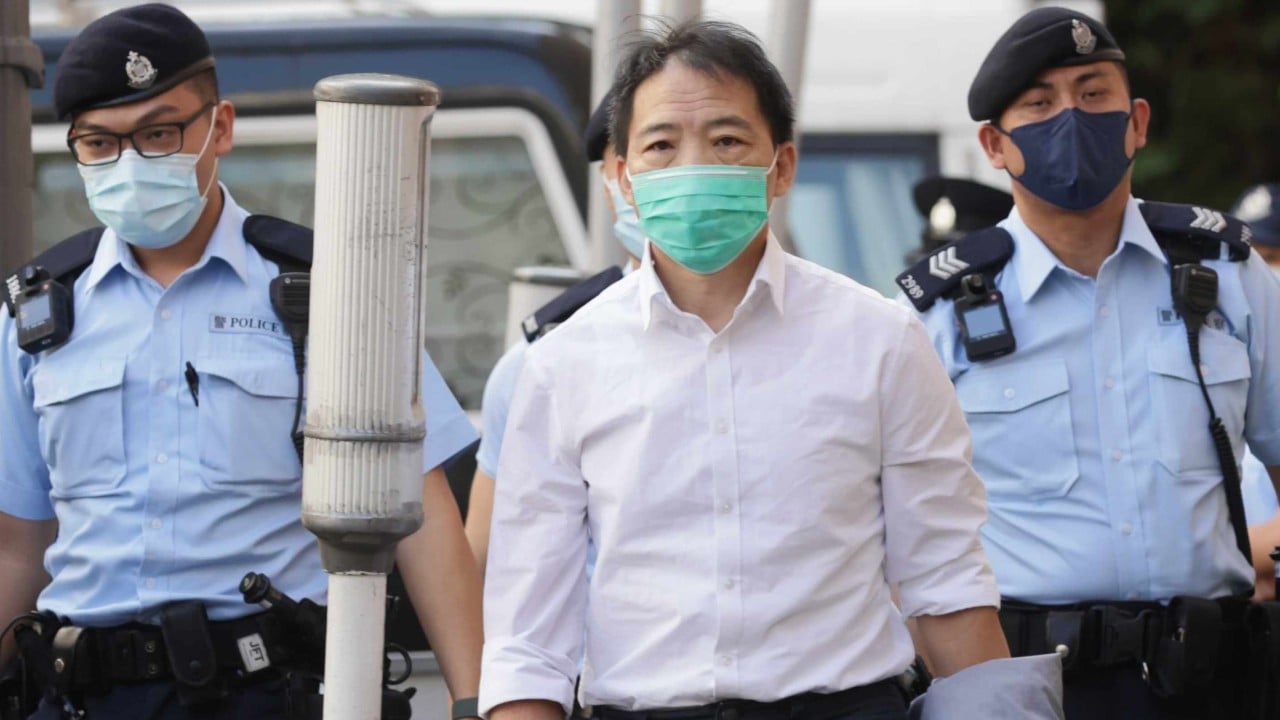
Two black seven-seater vehicles rolled out of Stanley Prison at 5:45 AM on June 30, 2026. Inside one of them sat Wu Chi-wai. The ex-opposition lawmaker Wu Chi-wai released after serving time for subversion, ended a long saga that effectively closed a chapter on traditional pan-democratic politics in Hong Kong. By 6:00 AM, he was back at his home in Fung Tak Estate, Diamond Hill, holding two large bags of personal belongings. He gave a brief "Thank you everyone" to the few reporters waiting in the dawn light and went inside. No big press conferences. No political speeches. Just a quiet return.
His release highlights a massive shift. Wu was once the chairman of the Democratic Party, a group that spent decades as the mainstream face of moderate opposition. Now, that party is dissolved, and the political scene he left behind is unrecognizable. Understanding his release requires looking at how a career moderate ended up convicted of subversion, and what his quiet exit says about the future of Hong Kong. Recently making waves lately: Why Russia's Latest Black Sea Shipping Attacks Risk Pulling Nato Into Open War.
The Reality of the Thirty-Five Plus Primary Case
Wu was part of the Hong Kong 47, a group of activists and politicians arrested in January 2021. Their crime revolved around an unofficial primary election held in July 2020. The plan, dubbed "35+", aimed to win a majority in the Legislative Council. If successful, the bloc intended to veto the government budget indiscriminately to force the administration to grant concessions.
The authorities viewed this as a deliberate attempt to paralyze the government and overthrow the established order. Under the National Security Law, it was classified as a conspiracy to commit subversion. More insights into this topic are detailed by Wikipedia.
When the sentences came down, they ranged wildly. Radical organizers faced up to a decade behind bars. Wu received a sentence of four years and five months. He walked free because he chose a pragmatic legal strategy from day one. He pleaded guilty early. That choice gave him a mandatory one-third reduction in his sentence. Combine that with his decades of public service, and he managed to shave significant time off his stay at Stanley Prison.
Two Missteps That Broke a Career
People who followed Wu throughout his career remember him as a gentlemanly figure. He wasn't a street radical. He held a master's degree in economics from the University of Wisconsin-Milwaukee and cut his teeth as a congressional assistant. He won local elections consistently, earning the nickname "King of Votes" in Wong Tai Sin during his prime.
His downfall came from two fatal choices. First, he let the radical wing of the protest movement dictate the agenda. In 2019, as protests grew intense, moderate pan-democrats feared being sidelined by younger, more aggressive factions. Instead of holding a firm line of moderation, Wu and other leaders went along with the crowd. They endorsed the idea of keeping the movement unified between peaceful and militant factions. This made it impossible to break away when the political momentum swung toward extreme confrontation.
His second mistake was jumping directly into the primary scheme organized by legal academic Benny Tai. Warnings were already circulating that the unofficial primary could breach the newly enacted National Security Law. Wu went ahead anyway. He felt he had to protect his party's share of the vote. That decision turned a mainstream political career into a criminal conviction.
Pragmatism Versus Ideology in the Courtroom
The legal proceedings for the 47 defendants showed a stark divide between those who adapted and those who didn't. Wu and his close colleague Andrew Wan decided early on that playing the hero wouldn't help them. They recognized the shifting legal reality. They did the math, dropped their appeals, and focused on minimizing their time behind bars.
Others miscalculated badly. Fellow party member Wong Pik-wan refused to plead guilty early, hoping for an acquittal based on her relatively minor involvement. She lost that gamble. She remains in prison, facing a sentence that stretches until late 2030.
Wu's time in custody wasn't without personal tragedy. While he was remanded, his 92-year-old father passed away. The Correctional Services Department initially denied his request to attend the funeral, suggesting he watch it online instead. After public outcry, a High Court judge granted short-term bail. He attended the funeral for just 40 minutes, surrounded by escort officers, before heading back to the reception center.
What Happens to the Rest of the Defendants
Wu is one of nineteen individuals from the original case who have completed their terms and left prison. His release will be followed closely by Andrew Wan. The remaining defendants face much longer roads.
The strategy used by the courts has been consistent. Active participants who showed remorse got shorter terms. Those who led the initiative or fought the charges to the bitter end face the maximum penalties.
Insiders suggest that Wu has no plans to return to the public eye. His family has already moved overseas, and rumors indicate he intends to join them. For men like him, the era of public life in Hong Kong is over. He's choosing retirement, keeping his hands clean of politics, and moving away from the city he served for three decades.
The Long-Term Impact on Hong Kong Politics
The quiet nature of Wu's release shows how much the political climate has cooled. Five years ago, a prominent politician leaving jail would have drawn crowds of supporters, banners, and media scrums. Today, there are ten police officers guarding the prison gates and a squad outside his housing block.
The traditional opposition camp is gone. The Democratic Party dissolved last year after finding itself with no path forward under the new electoral rules. The current legislative framework requires all candidates to pass strict vetting to ensure they are patriots.
This leaves no room for the kind of brinkmanship that defined the 2020 primaries. The era of using budgetary vetoes as a political weapon is dead. Future political engagement in the city will happen entirely within the boundaries set by Beijing, focusing on livelihood issues rather than systemic structural changes.
If you are tracking the shifting landscape of Hong Kong's legal and political realities, keep an eye on the remaining sentencing dates for the high-profile figures still inside Stanley Prison. Their releases over the next few years will mark the final closing of this tumultuous political cycle.