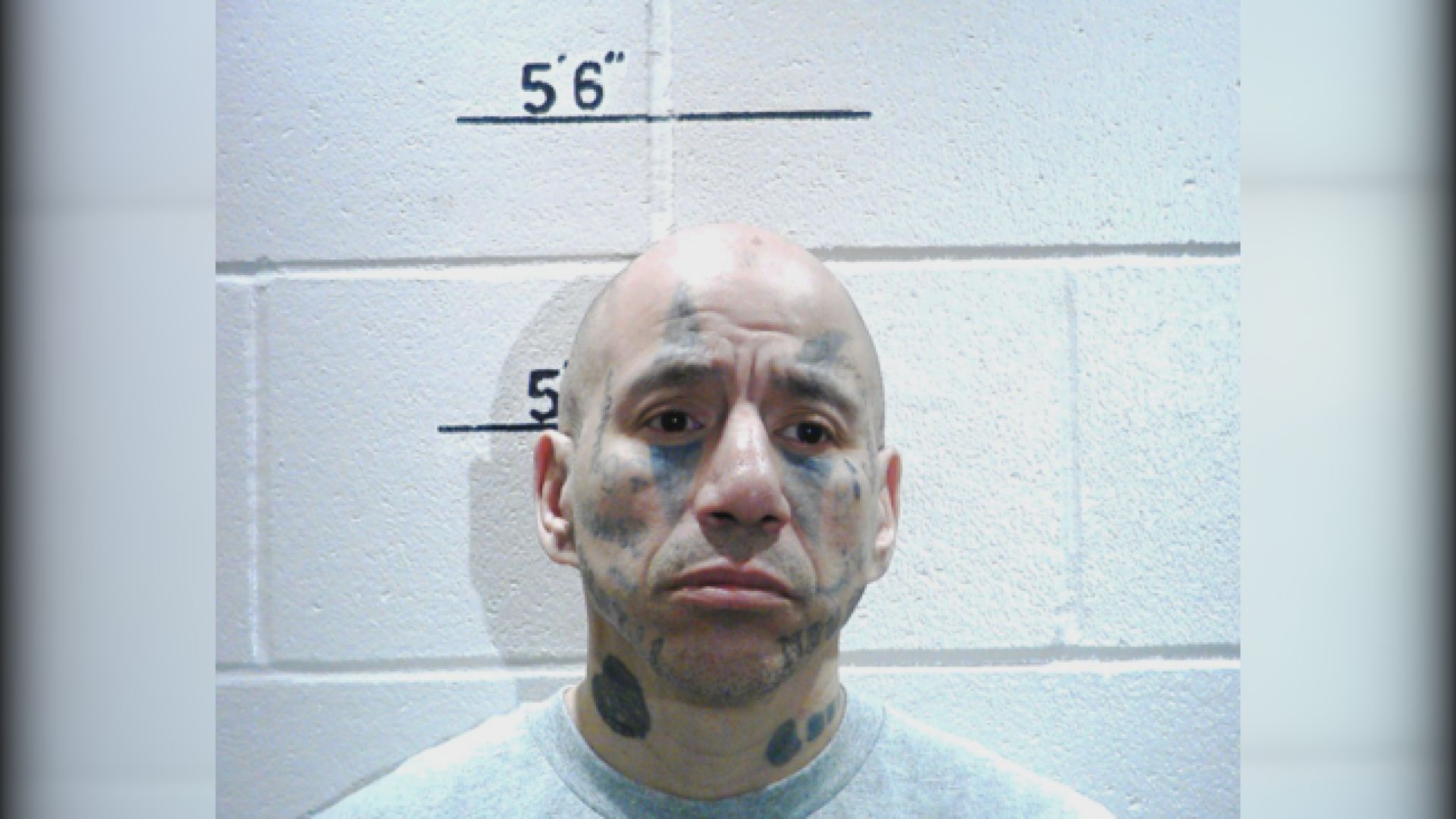
Winnipeg police just issued a stark public safety warning after a convicted violent offender with a high risk to re-offend was released back into the city. It is a headline you have probably seen before. It keeps happening. This time, the focus is on 53-year-old Marcel Hank Charlette, a man with a multi-decade criminal history that includes manslaughter and multiple brutal assaults. He walked out of the Milner Ridge Correctional Centre on June 28, 2026, and is now living somewhere in Winnipeg.
Public alerts like this trigger immediate panic. Neighbors lock their doors. Parents hug their kids tighter. People wonder why someone deemed a severe threat to everyone is walking the streets. Meanwhile, you can read other stories here: Why Dna Kits Are Uncovering The Ultimate Hospital Nightmare.
The immediate answer is simple. His sentence ended. The legal reality behind these releases is complex, frustrating, and reveals massive structural vulnerabilities in how the justice system balances rehabilitation against collective public safety.
The Dark History of Marcel Hank Charlette
Charlette is not an unknown variable to Manitoba law enforcement. Far from it. His record dates back more than 35 years, tracing a consistent path of extreme violence and repeated failures to comply with court orders. To understand the bigger picture, we recommend the excellent article by USA.gov.
His most severe conviction happened in 1991. He was convicted of manslaughter in the death of a two-year-old child and received a six-year prison sentence. That same year, he punched a woman in the face.
The violence did not stop after his release from that initial prison term. He accumulated six separate assault convictions spanning across three decades. In 1996, he received a 42-month sentence for a brutal aggravated assault where he repeatedly punched and kicked a woman. In 2004, he was back in court for assaulting another female, earning two years less a day in jail plus three years of probation. By 2006, he picked up two more counts of assault and another for assault causing bodily harm.
In 2010, the severity spiked again. Charlette attacked a completely random female, leading to an assault causing bodily harm conviction and a ten-year prison term. His most recent violent conviction occurred in 2021 for assaulting a domestic partner.
Look at the pattern. It is an unbroken line of targeted and random violence, largely directed at women and the most vulnerable.
The Broken Cycle of Probation and Re-arrest
Many wonder how someone with this track record ends up back on the streets so quickly. The Manitoba Integrated High Risk Sex Offender Unit explicitly states that Charlette remains at a high risk to re-offend in a sexual or violent manner against all men, women, and children.
The system treats these individuals like hot potatoes. They are locked up, serve their exact time, and must be legally let go because the state cannot hold someone indefinitely without a Dangerous Offender designation. Charlette has been sitting in jail since February 28, 2025, solely because he breached his previous probation conditions. He served his time for that specific breach, and by law, the jail doors had to swing open.
This is a textbook case of a revolving door. Just last year, he was released from the Headingley Correctional Centre on January 7, only to be thrown right back in handcuffs on January 10 for breaking his rules within 72 hours. He spends a year behind bars for the violation, finishes the sentence, and gets dropped right back into the community.
It is a repetitive loop that burns through police resources and leaves community members feeling like sitting ducks.
Understanding the Strict Conditions of Release
Charlette is currently under a two-year supervised probation order. The restrictions are intense, but they are only as good as the enforcement behind them.
He faces a mandatory daily curfew from 9 p.m. until 9 a.m. with almost no exceptions. He cannot possess, carry, or own any weapons, firearms, crossbows, or ammunition.
The lifestyle restrictions are equally tight. He is completely banned from buying or drinking alcohol and illegal drugs. He cannot even possess basic household products like hairspray, gas, or glue if they can be used as an intoxicant. Because of his history of targeting women, he is barred from entering any establishment where alcohol sales are the main focus, such as bars, lounges, strip clubs, or liquor vendors.
Crucially, he must instantly notify his probation officer if he starts any form of relationship or contact with a woman. He is also banned from accessing or possessing any violent pornography.
Police released his physical description to help the public identify him. He stands just five-foot-two and weighs around 124 pounds with brown eyes and a bald or shaved head. He has highly visible facial ink, including two teardrop tattoos near his eyes and the number 87 on his right cheekbone.
Why the Legal System Fails to Prevent These Releases
The public often misinterprets these police warnings as a failure of local law enforcement. It is not. The Winnipeg Police Service and the RCMP are just playing the hand they are dealt by federal and provincial laws.
Under Canadian criminal law, a judge cannot extend a sentence just because a criminal seems dangerous at the end of it. Once a sentence is served to the very last day, the individual is a free citizen, subject only to whatever probation terms were tacked onto their initial sentencing structure years prior.
The only true fix to keep someone like this put away permanently is a Dangerous Offender application. This designation allows for an indefinite sentence. Obtaining it requires an incredibly high legal threshold, and prosecutors must prove during the initial sentencing phase that the offender cannot be managed in the community. If that window is missed or if previous judges opted for standard time, the community is stuck with the fallout.
Practical Survival for Winnipeg Residents
You cannot change the criminal justice system overnight, but you can change how you protect your immediate circle. Do not let fear turn into paranoia, but do not ignore the reality either.
Keep a close eye on your surroundings, especially during early morning and late evening hours when curfews begin or end. If you live in Winnipeg neighborhoods where transitional housing or parolees typically reside, stay informed by checking the Winnipeg Police Service community notifications page regularly.
If you see Charlette violating any of his listed terms—whether he is out past 9 p.m., entering a liquor store, or showing signs of intoxication—do not approach him. Do not attempt citizen arrests. Call the Manitoba Integrated High Risk Sex Offender Unit directly at 431-489-8056 or contact Manitoba Crime Stoppers.
Vigilante action is illegal and actively disrupts police surveillance. Let the specialized units do their jobs, but give them the eyes and ears they need on the ground to pull the trigger on a re-arrest the second a rule is broken.