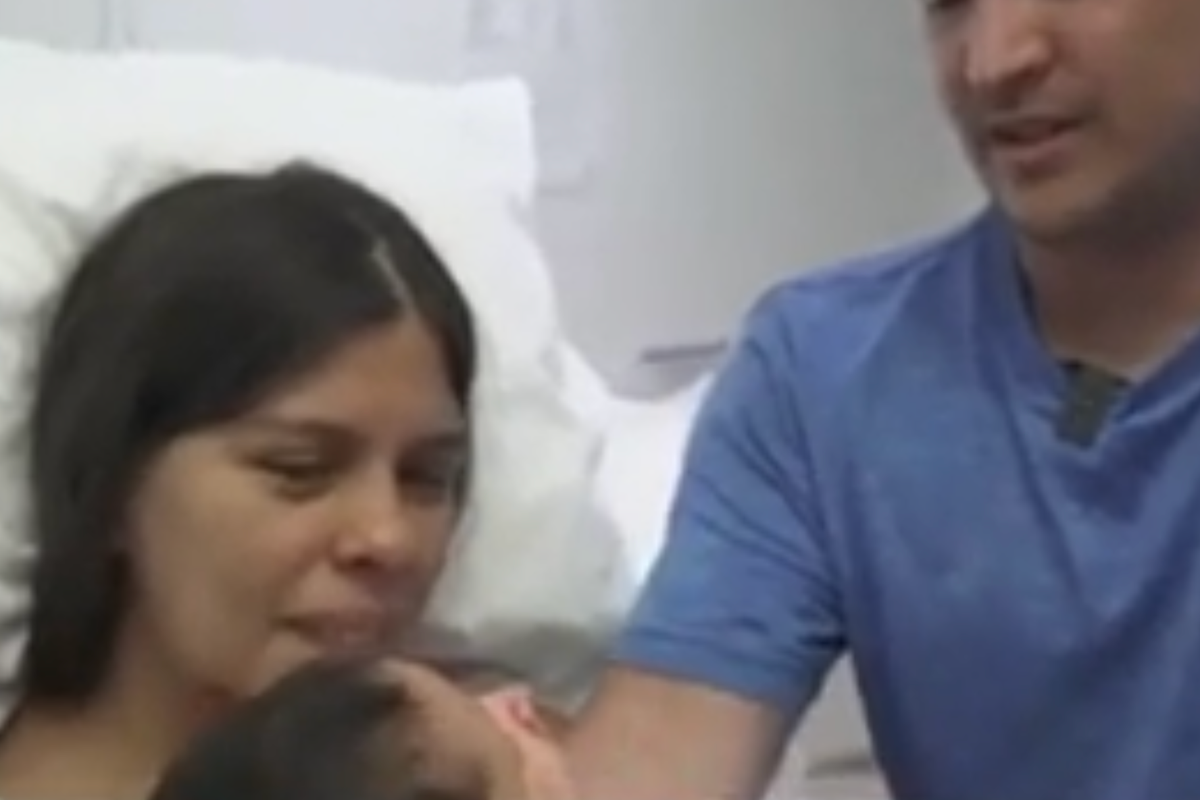
A baby's cry rising from concrete changes everything. When the twin earthquakes shattered northern Venezuela, flattening apartment blocks and trapping thousands, hope felt entirely lost. But then came the story of Dayana Patiño and her 18-day-old son, Juan David.
Buried for 32 brutal hours under an eight-story apartment building in La Guaira, they survived against impossible odds. Rescuers first pulled the newborn from the wreckage. Ninety minutes later, they freed Dayana. Neither had a single broken bone. Dayana later recounted that holding her newborn son, focusing entirely on keeping him breathing, was the exact motivation she needed to stay conscious and fight for life.
It's an incredible story of human endurance. It's the kind of miracle we desperately want to celebrate when a massive natural disaster strikes. But if we only focus on the emotional high of a successful rescue, we miss the terrifying reality of what happened on the ground—and what it teaches us about survival when systems completely fail.
The Raw Reality of the 32 Hour Fight
When the ground shook on Wednesday, June 24, 2026, the Playa Grande neighborhood in Catia La Mar bore the brunt of the destruction. Dayana and her newborn were trapped instantly. Think about that environment. Total darkness. Choking dust. The constant threat of aftershocks shifting the heavy concrete above you.
Dayana couldn't even breastfeed her child due to the tight space and physical stress. Survival in these conditions isn't just about luck. It's a mental battle. Psychological endurance plays a massive role in who makes it out alive. Experts from international search and rescue organizations often note that victims who focus on a singular, external purpose—like keeping a child alive—show significantly lower shock responses, helping preserve oxygen and physical stamina. Dayana’s mind stayed locked on her son. That focus kept them both breathing.
But while the internet celebrates the video of her family shouting praises as she emerged, we need to look at who actually dug them out. It wasn't just elite, tech-heavy rescue squads. It was her husband, her brothers, and local neighbors. They refused to stop. They spent over a day filling buckets and shifting heavy concrete blocks by hand because official help wasn't there yet.
When Infrastructure Crumbles Citizens Dig
The numbers out of Venezuela right now are staggering. The official death toll has surged past 1,450, with thousands injured and tens of thousands still missing. Cellphone towers are down, water lines are broken, and the main ports in La Guaira suffered heavy damage.
This brings us to a harsh truth. In the immediate aftermath of a catastrophic earthquake, you are your own first responder. Local volunteers and family members are almost always the ones who make the initial, critical rescues during the golden 48-hour window. International teams like the Virginia Urban Search and Rescue Task Force 1 and specialized units from Mexico or Switzerland do incredible work when they arrive, but logistics take time. Air traffic control issues, ruined roads, and political red tape stall external aid.
If you rely entirely on a centralized government response during a massive disaster, you're placing a massive gamble on your survival. The Venezuelans digging through the rubble with bare hands didn't wait for a heavy tractor to show up. They knew that every second meant less air for those trapped beneath.
What You Can Actually Do to Prepare
You probably don't live in a high-risk zone in Venezuela, but earthquakes, structural failures, and sudden disasters don't look at geographic convenience. Stop assuming a rescue crew will arrive with specialized gear within minutes.
Here is what actually works when local infrastructure completely collapses.
- Ditch the standard emergency kit mentality: Flashlights and bottled water are great for a power outage, but they don't help if you're pinned. Keep a heavy-duty whistle on your keychain or near your bed. If you are trapped under debris, yelling burns through oxygen and exhausts your muscles. A whistle carries further through concrete and saves your breath.
- Secure your immediate space: Most injuries in earthquakes don't happen from total building collapses—they happen from falling objects. Bolt heavy bookshelves to the walls. Ensure your bed isn't directly under a heavy light fixture or large mirror.
- Establish an off-grid communication plan: When cell networks go down, you won't be able to call your family. Pick a concrete, out-of-town contact person everyone knows to call or text via SMS if local lines clog up, or invest in simple satellite communication tools if you live in high-risk zones.
- Learn basic trauma care: Knowing how to safely clear an airway or apply a tourniquet matters infinitely more than having a fancy survival knife. Local community emergency response training saves lives long before the professionals arrive.
Dayana and Juan David's rescue is a powerful testament to maternal instinct and sheer human willpower. But let's respect their fight by learning the real lesson here. Survival relies heavily on immediate, localized action, mental grit, and refusing to wait for someone else to save you.