A fragile peace lasted exactly ten days. On Saturday, June 27, 2026, the United States launched its second consecutive night of military strikes against targets in southern Iran. This swift escalation followed another drone strike on a commercial vessel navigating the tense waters of the Strait of Hormuz.
The immediate military action signals that the regional Middle East ceasefire, brokered just over a week ago on June 17 under a delicate memorandum of understanding (MoU), has hit a dangerous breaking point. If you enjoyed this post, you should check out: this related article.
The Incidents That Triggered the Retaliation
The latest spiral began early Saturday morning at approximately 4:30 AM Eastern US time. The Panama-flagged tanker Kiku was transiting the Strait of Hormuz, loaded with more than 2 million barrels of crude oil from the Al Shaheen oil field. Suddenly, an unidentified projectile slammed into the vessel.
According to US Central Command (CENTCOM), the weapon was an Iranian one-way attack drone. While no crew members were injured and no oil spill was reported, the attack directly mirrored an incident from Thursday, when a Singapore-registered container ship called the Ever Lovely was similarly struck by a drone. For another perspective on this development, see the latest coverage from USA.gov.
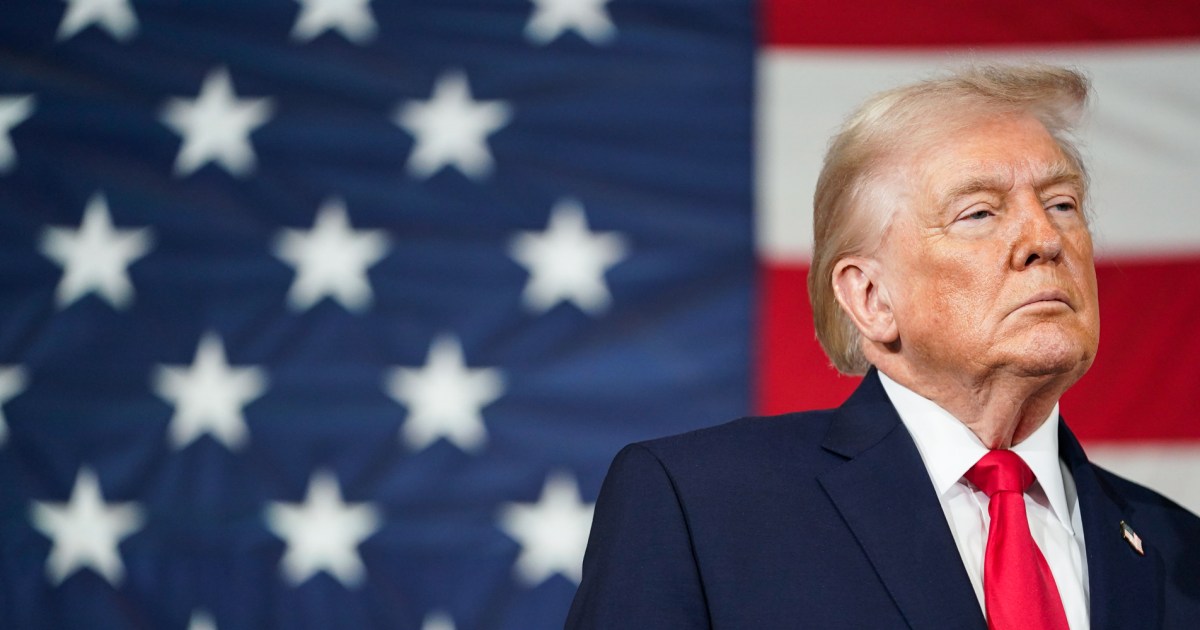
President Donald Trump took to social media to blast what he called a "foolish violation" of the ceasefire by Tehran. Trump claimed that US forces managed to down three other drones during the Thursday incident, but one got through. The strike on the Kiku on Saturday proved that the first attack wasn't an isolated glitch in the truce. It was a pattern.
Inside the Target Zone
In direct response to the Kiku attack, US military aircraft took to the skies on Saturday night. Acting under the direct orders of the Commander-in-Chief, CENTCOM hit a specific network of military infrastructure in southern Iran.
The targets included:
- Iranian military surveillance installations
- Communication systems
- Air defense sites
- Drone storage facilities
- Minelayer capabilities
Local reports from Iranian state media confirmed loud explosions echoing near the village of Tahrui, located close to the southern port city of Sirik. This area was also the primary bullseye during Friday's initial wave of American retaliatory strikes. Projectiles were also reported hitting Qeshm Island, a highly strategic piece of land sitting directly in the narrowest neck of the Strait of Hormuz.
Why the June 17 MoU is Failing
The current conflict is entering its 120th day, tracing back to the outbreak of major hostilities in late February 2026. For months, Iran choked off maritime traffic through the Strait of Hormuz. The blockade sent global prices for fuel, fertilizer, and consumer goods skyrocketing.
The June 17 MoU was supposed to be a cooling-off mechanism. It established a 60-day window where Iran was required to use its "best efforts" to let commercial shipping resume safely and free of charge. In exchange, the US paused its heavy bombardment.
But the deal was built on shaky ground. It left too much room for interpretation regarding maritime security and tolling rights. Just days before these strikes, US Secretary of State Marco Rubio wrapped up a Gulf tour, issuing strict warnings about Iranian attempts to collect illegal tolls in the waterway.
Tehran rejected the pressure, claiming all ships needed its explicit permission to pass. When the Ever Lovely and the Kiku defied those assertions, the drones flew.
The Retaliation Loop
The Islamic Revolutionary Guard Corps (IRGC) isn't backing down. Following the first wave of US strikes on Friday, the IRGC quickly claimed responsibility for launching retailatory strikes against US military bases in the region. Iranian state news agency IRNA broadcasted warnings from commanders stating that any continued American aggression would be met with a far broader military response.
Vice President JD Vance countered the narrative directly on social media, putting the blame entirely on Tehran. Vance stated that the US has fully honored the ceasefire agreement and told Iranian leadership that if they have issues with how the MoU is being enforced, they need to "pick up the phone" instead of launching kamikaze drones.
Despite the tough rhetoric, White House observers note a distinct tactical choice. The Trump administration is deliberately hitting coastal radars, drone warehouses, and air defenses rather than launching deeper strikes into Iran's political or nuclear core. The US is treating this as a strict maritime enforcement action, trying to protect freedom of navigation without triggering a total, uncontainable regional war.
What Happens Next
The immediate casualty of this weekend's violence is the upcoming round of diplomatic talks. The US and Iran were scheduled to meet within days to turn the temporary MoU into a permanent ceasefire. Those talks are now dead in the water.
For businesses, shipping companies, and energy markets, the direct takeaway is clear: the Strait of Hormuz remains a hot combat zone. Commercial vessels cannot rely on the June 17 agreement for safe passage. Shipping firms are already shifting insurance risk calculations, and many are ordering vessels to take the long route around Africa once again. Expect fuel volatility to return to the market on Monday morning as traders digest the reality of a multi-night air campaign.