Transnational Indian gangs operating on American soil just ran out of places to hide.
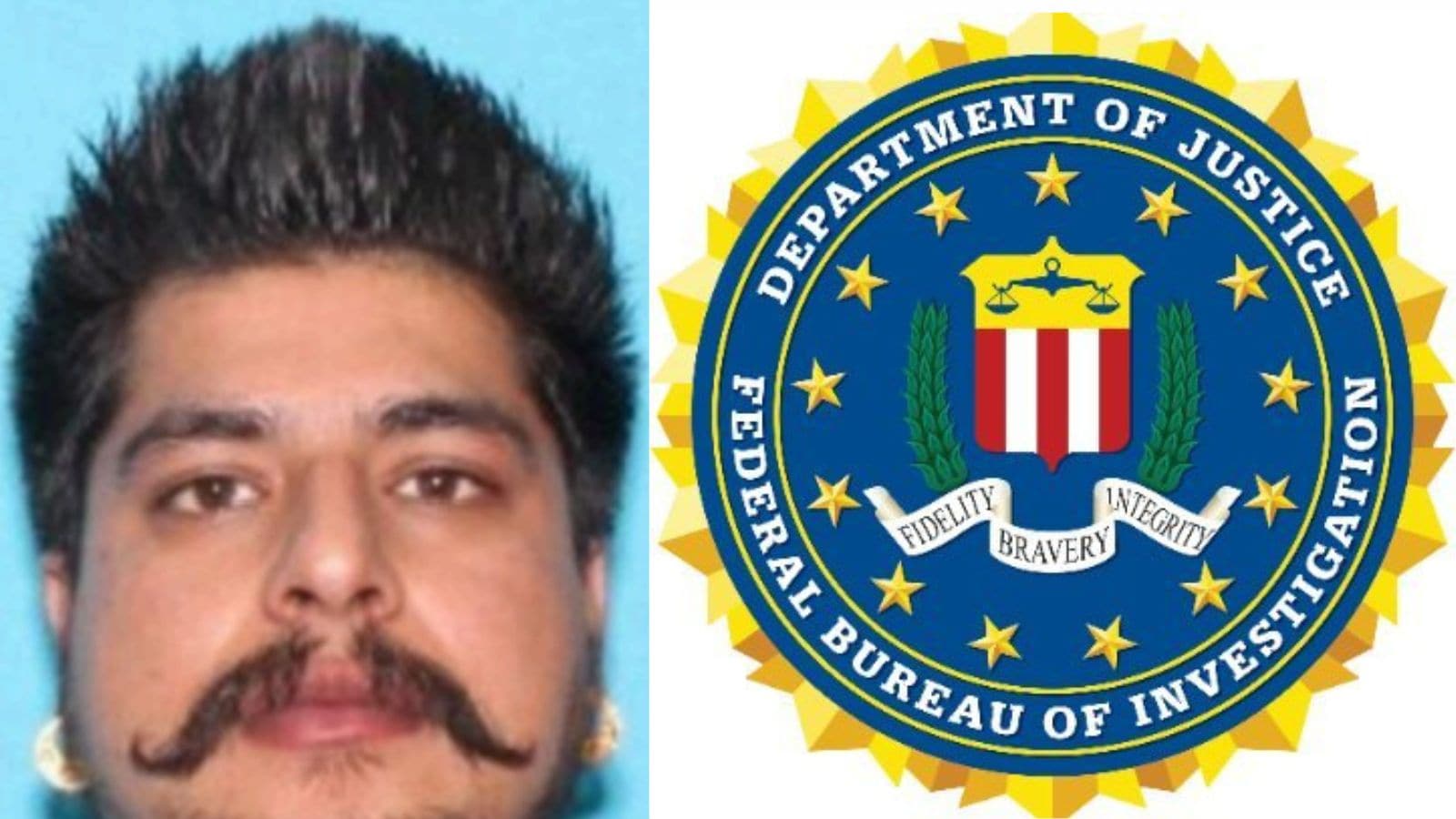
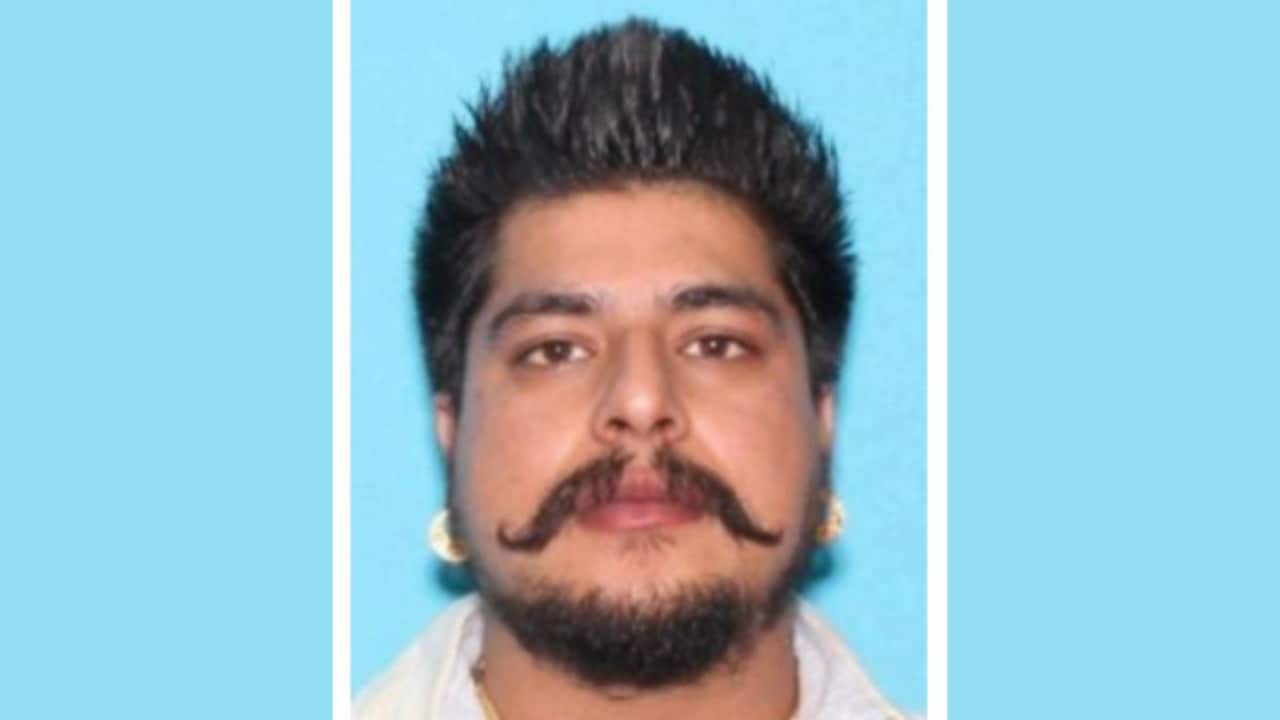
On July 16, 2026, the FBI's Albany field office, in tandem with the U.S. Border Patrol, cornered and arrested Nitish Kaushal in Vermont. Kaushal, notoriously known in underworld circles by his alias "Lala," was no ordinary fugitive. Just forty-eight hours prior to his capture, the FBI had plastered his face on its Most Wanted list. He was running. He was classified as armed, dangerous, and an extreme escape risk. He was trying to slip across the northern border.
He didn't make it.
Kaushal's arrest is not an isolated border stop. It is the latest seismic fallout from Operation Hard Ball, a sweeping, multi-country law enforcement offensive designed to systematically crush India-origin organized crime networks operating in the West. This capture tells us that the era of running a Punjab-based criminal empire from a suburban California living room is over.
The Vermont Dragnet and the Flight to the Border
To understand why Kaushal was running toward the Canadian border, you have to look at the legal net that had been closing around him.
On June 25, 2026, the U.S. District Court for the Central District of California unsealed a federal arrest warrant for Kaushal. The charge? Racketeer Influenced and Corrupt Organizations (RICO) Conspiracy. For any gangster, a RICO charge is a death knell. It means federal prosecutors are not just trying to nail you for a single assault or a drug buy. They are targeting the entire enterprise you represent.
The FBI alleges that Kaushal was a boots-on-the-ground enforcer for the Jaggu Bhagwanpuria Organized Crime Group (OCG). His specific role was carrying out violent acts of retribution, including kidnappings and brutal physical assaults, to keep the gang's extortion rackets humming in California.
When the indictments came down and federal agents started kicking in doors across California, Kaushal went underground. He headed northeast, likely hoping to disappear into Canada's vast diaspora communities. U.S. Border Patrol agents spotted him in Vermont and ended his run. Now, Kaushal faces a mandatory minimum of 10 years in federal prison, with a very real trajectory toward a life sentence.
The Anatomy of the Jaggu Bhagwanpuria Gang
Who actually runs this syndicate?
The group's namesake is Jaggu Bhagwanpuria, a 38-year-old gangster currently locked up in a maximum-security prison in India. If you think prison bars stop these operations, you are mistaken. Bhagwanpuria, much like his former ally turned bitter rival Lawrence Bishnoi, has historically run his global empire using contraband cell phones and encrypted VoIP apps right from his cell.
The Bhagwanpuria gang operates like a multinational corporation, just with more violence.
- Global Footprint: The syndicate is estimated to have over 1,000 active members and associates worldwide.
- U.S. Presence: More than 100 of these operatives are active within the United States, primarily concentrated in California.
- Core Businesses: The gang's portfolio includes drug trafficking, weapons smuggling, human trafficking, money laundering, and high-dollar extortion.
In Punjab, the gang is a household name, associated with high-profile assassinations and local terror. But in the U.S., they pivoted. They realized they could target the affluent Indian diaspora. They extort local business owners, demand massive payouts, and use enforcers like Kaushal to make sure the threats are taken seriously.
How Corrupt Police Facilitate the Rackets
One of the most alarming revelations from the U.S. Justice Department's investigation is how these syndicates weaponize official corruption across oceans.
The Bhagwanpuria gang does not just rely on scary messages sent via WhatsApp. They actively partner with corrupt law enforcement officers back in India to squeeze diaspora families living in America.
Consider the case of Gurinderjit Singh, a Punjab Police officer charged by U.S. authorities. Singh allegedly worked hand-in-hand with the Bhagwanpuria gang to extort a staggering $400,000 from a family based in Los Angeles. The play is simple but terrifying:
- An operative in California identifies a wealthy diaspora target.
- They make a demand for money. If the victim refuses, the gang contacts their corrupt police allies in Punjab.
- The corrupt officers register fake, baseless criminal cases against the victim's family members still living in India.
- Faced with the threat of their elderly relatives being thrown into Indian jails, the diaspora victim in California pays up.
It is a highly organized, cross-border psychological trap. The U.S. indictments show that Western intelligence has finally mapped this ecosystem out, and they are dismantling it piece by piece.
Inside Operation Hard Ball
Kaushal's arrest is just one piece of a massive puzzle. Operation Hard Ball is a coordinated, multi-year international offensive involving the FBI, the Royal Canadian Mounted Police (RCMP), and European law enforcement agencies.
The operation has targeted three main India-linked criminal syndicates: the Bishnoi group, the Bhagwanpuria group, and a drug trafficking network run by Ravinder Singh Dhanda.
The sheer scale of Operation Hard Ball is staggering:
- 37 Defendants Charged: A series of federal grand jury indictments have targeted the top tier of these organizations.
- 24 Arrests Globally: Law enforcement launched synchronized raids across California, Indiana, Georgia, Canada, and Spain.
- Massive Drug Seizures: Agents have seized roughly 1,000 kilograms of cocaine, one kilogram of heroin, cash, and dozens of firearms.
- Longhaul Trucking Smuggling Pipelines: The indictments reveal the gang used commercial longhaul semi-trucks to transport hundreds of kilograms of cocaine and meth from Southern California straight across the border into Canada.
The FBI has even targeted the Bishnoi gang for its alleged role in high-profile political assassinations, including the 2023 killing of Sikh separatist Hardeep Singh Nijjar in British Columbia. These gangs have evolved from regional street threats in Punjab to major national security priorities for Western governments.
What This Means for the Indian Diaspora
For years, many victims of these extortion rackets suffered in silence. They didn't trust that local U.S. police departments understood the complex dynamics of Punjab-based gangs, nor did they believe Western agencies could protect their relatives back in India.
Kaushal’s capture and the unsealing of the RICO indictments change the game.
It shows that the FBI is now treating these syndicates with the same level of seriousness once reserved for the Italian Mafia or South American drug cartels. By using the RICO Act, federal prosecutors can hold gang leaders legally responsible for crimes committed by their foot soldiers, even if those leaders are sitting in an Indian prison cell thousands of miles away.
If you or someone you know in the diaspora is being targeted by these networks, the landscape has fundamentally shifted. Local law enforcement is no longer blind to these tactics.
Your Next Steps if Targeted by Transnational Extortion
If you are a business owner or a member of the diaspora receiving threats from these syndicates, do not try to handle it alone.
- Do Not Pay: Paying extortion money only paints a larger target on your back and funds further violence.
- Document Everything: Save every WhatsApp message, VoIP call log, and social media threat. Do not delete them.
- Contact Federal Law Enforcement: Local police may not have the resources to track international VoIP numbers. Contact your local FBI field office directly. They have specialized task forces dedicated to transnational organized crime.
- Coordinate with Indian Authorities: If your relatives in India are being threatened by local gang associates or corrupt police, report the details directly to central Indian agencies like the National Investigation Agency (NIA), which is actively collaborating with Western law enforcement to clean up these networks.