Iran and the United States just concluded intense technical talks in Doha. If you read mainstream reports, you probably think this is a minor administrative update about a long-standing bank account. It isn't. This negotiation is the backbone of the fragile peace agreement that halted a devastating regional war.
The core issue comes down to cash. Specifically, billions of dollars stuck in Qatari banks. Iranian Deputy Foreign Minister Kazem Gharibabadi announced that Tehran finalized talks to spend a chunk of its frozen assets on what he called required goods.
But don't let the dry bureaucratic language fool you. Behind the scenes, a fierce battle is raging over who actually controls this money, what goods Iran can buy, and whether Washington still holds a veto.
The Actual Scale of the Iranian Asset Dispute
Most news coverage focuses strictly on a specific six billion dollar sum. That money represents Iranian oil revenues that South Korea held for years before transferring them to restricted accounts in Doha back in 2023. It was part of a previous prisoner swap deal under which Qatar acted as the financial custodian.
Tehran views that six billion as just the first installment. Top Iranian negotiator Mohammad Bagher Ghalibaf recently shook up the negotiations by demanding the release of 24 billion dollars. Iran wants 12 billion deposited into its Central Bank immediately, with the remaining 12 billion following within 60 days.
The total pool of frozen Iranian funds across the globe sits somewhere around 120 billion dollars, scattered from Japan and South Korea to New York and Luxembourg. For Tehran, clawing this money back isn't a side issue. It's an existential economic priority.
What Required Goods Really Means
We need to talk about the massive disconnect between what Washington says this money is for and what Tehran intends to do with it. The definition of required goods is the main friction point.
The American View on the Funds
US Vice President JD Vance stated that the assets are not fully unfrozen and that both the US and Qatar maintain strict oversight over the spending process. Washington wants the money restricted to humanitarian purchases. Vance even suggested that Iran would use these funds to purchase American agricultural products, explicitly pointing to commodities like soybeans.
The Iranian Rejection
Tehran didn't take that comment well. Iranian officials immediately shot back against the idea that they're locked into buying American crops. Foreign Ministry spokesperson Esmaeil Baqaei stated clearly that Tehran alone will decide how to utilize these assets.
Ghalibaf went even further, insisting the Central Bank must be allowed to buy any goods it needs, at any price, in any currency worldwide. They don't want to buy American soybeans; they want absolute financial autonomy.
How the Qatari Banking Channel Works
To understand why this is so complicated, you have to look at how Qatar handles the money. Qatar doesn't just hand over suitcases of cash to Iranian officials. The system is designed as a strict transactional clearinghouse.
When Iran wants to make a purchase, it submits a request. The Qatari Central Bank reviews the request alongside international compliance mechanisms. If approved, the money goes directly to the third-party supplier providing the food, medical supplies, or manufacturing equipment.
Gharibabadi confirmed that the recent Doha meetings focused heavily on reviewing the practical mechanics of spending that initial six billion. The two sides agreed to set up an urgent communication channel involving Qatari and Pakistani mediators to log compliance and settle disputes rapidly.
The Secret Leverage in the Strait of Hormuz
This financial fight isn't happening in a vacuum. It's directly tied to the security of global trade. The memorandum of understanding that halted the recent war depends heavily on Iran reopening the Strait of Hormuz and guaranteeing safe passage for international shipping.
Iran knows that a significant portion of the world's liquefied natural gas and oil passes through that narrow waterway. By tying the release of their frozen billions to the peace deal, they're using global energy security as their primary bargaining chip.
Iranian state media openly called the unfreezing of these funds the final serious sticking point before the broader peace process can advance. If the banking channels clog up or if Washington blocks purchases, Iran can easily restrict shipping traffic again, driving global oil prices through the roof.
The Broken Economy Driving Tehran Urgency
Why is Iran pushing so aggressively right now? Because their internal economy is facing severe systemic pressure.
Beyond the macroeconomic data, ordinary citizens are dealing with everyday disruptions that make life incredibly difficult. Just recently, a massive cyberattack crippled Iran's central banking infrastructure. For over two weeks, point-of-sale terminals failed, mobile banking apps crashed, and card-to-card transfers stopped working. Business owners couldn't accept payments, and citizens couldn't access their salaries or pensions.
When you combine that kind of infrastructure vulnerability with runaway inflation and a heavily sanctioned currency, you understand why the government desperately needs an influx of real, usable assets. They need to import basic commodities to stabilize domestic markets and keep public anger from boiling over.
What Lies Ahead for the Regional Truce
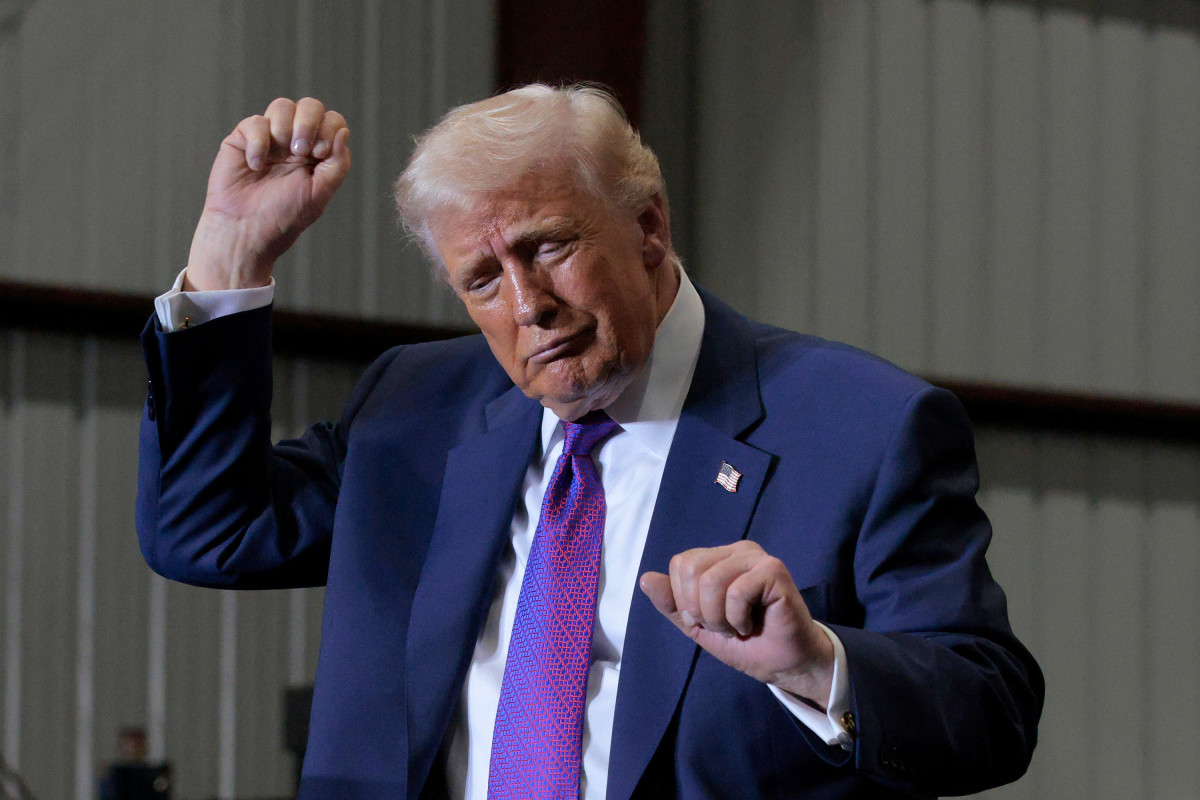
The Doha talks have concluded for now, but the diplomatic chess match is far from over. President Donald Trump commented that the United States is getting along well with Iran and that the meetings went positively, even noting progress on denuclearization.
Yet, the fundamental disagreement over financial control remains a ticking time bomb. The US believes it can maintain a leash on Tehran by controlling the Qatari accounts. Iran believes it has earned the right to total financial freedom by signing the peace memorandum.
Watch the transactional flow through Doha over the next few weeks. If we see large-scale procurement of industrial and agricultural goods without US interference, the truce will likely hold. If the compliance mechanisms stall the funds, expect tensions in the Strait of Hormuz to flare up immediately.
To track how this develops, follow the specific shipping volumes passing through the Persian Gulf and keep a close eye on official announcements from the Qatari Central Bank regarding asset disbursement schedules.