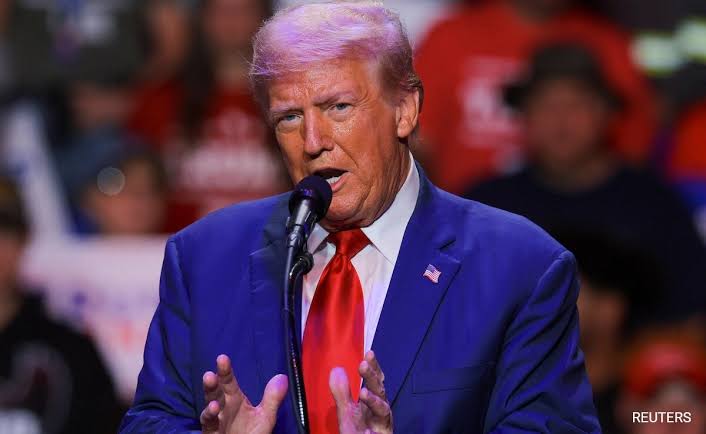
The fragile peace in the Middle East didn't even last a full month. Standing on the sidelines of the NATO summit in Ankara, Turkey, President Donald Trump officially tore up the interim peace agreement with Iran.
"For me, I think it's over," Trump told reporters when asked about the status of the 14-point Memorandum of Understanding signed back on June 17. He didn't mince words, calling further diplomatic engagement with Tehran a "waste of time" and labeling the country's leadership as "scum" and "sick people."
If you're wondering why the market is suddenly panicking, this is it. Within minutes of his announcement, global energy markets reacted violently. Brent crude surged 5.3% to cross $78 a barrel, while West Texas Intermediate jumped 5.4% to $74.23. The brief window where oil prices dropped back to pre-war levels is officially closed.
The Explosive Overnight Escalation
The diplomatic collapse follows a massive military flare-up in the Strait of Hormuz. According to US Central Command, the US military launched a massive wave of offensive strikes against more than 80 Iranian targets overnight. The targets included air defense networks, command hubs, coastal radar stations, and over 60 Islamic Revolutionary Guard Corps (IRGC) fast-attack boats.
Washington says the heavy bombardment was a direct response to Iranian forces targeting three commercial vessels transiting the international waterway:
- The Marshall Islands-flagged M/T Al Rekayyat
- The Saudi Arabia-flagged M/T Wedyan
- The Liberian-flagged M/T Cyprus Prosperity
Iran didn't take the strikes lying down. Minutes after the American bombs fell on Hormozgan province and the port city of Bandar Mahshahr, air raid sirens pierced the night in Bahrain and Kuwait. Tehran claimed it targeted 85 US military installations across the Gulf in a massive retaliatory missile barrage.
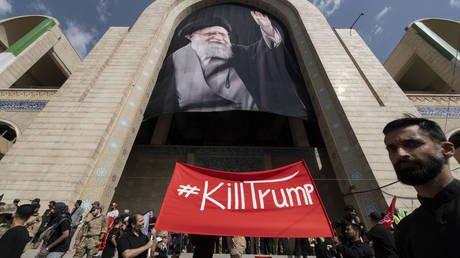
Trump expressed disbelief that Iran would trigger a conflict right now. The country is in the middle of a six-day mass funeral procession for Supreme Leader Ayatollah Ali Khamenei, who was killed at the start of the conflict in late February. Khamenei is scheduled to be buried in Mashhad tomorrow.
"We say, 'Go and do your funeral stuff,' and instead of that, they start shooting rockets at ships yesterday," Trump said. "So we hit them very hard last night."
Why the June 17 Peace Deal Collapsed
The short-lived ceasefire was always built on shaky ground. The temporary deal granted Iran a suspension of certain naval blockades and a brief sanctions waiver to sell oil. In exchange, Tehran agreed to stop attacking commercial ships and allow free transit through the Strait of Hormuz for 60 days while negotiators hammered out a permanent treaty.
But the friction points were too heavy to overcome. Behind closed doors, negotiators were deadlocked over three major issues:
- Hormuz Transit Tolls: Tehran demanded the right to charge transit fees to foreign vessels passing its shores.
- Frozen Assets: Iran wanted immediate access to billions in frozen international funds before signing a final deal.
- The Nuclear Question: Trump made it clear that any long-term deal requires total, verifiable denuclearization. Iran refused to budge on its domestic nuclear program.
Now that the deal is dead, the US has revoked Iran's oil sales license completely.
What Happens Next
NATO Secretary General Mark Rutte backed the US position during the summit, calling the American strikes "absolutely necessary" after Iran broke the terms of the shipping truce. Trump, however, publicly pressured other alliance members to do more against what he termed "the number one state-sponsored terror."
While Trump noted he would technically let American negotiators keep talking if they really wanted to, he made it clear his personal outlook is entirely hawkish. "We're going to denuke it," he stated, signaling a return to a maximum-pressure military campaign.
With the 60-day truce abandoned, businesses operating in international shipping lanes must prepare for immediate disruption. Expect heightened maritime insurance premiums, increased deployment of naval escorts in the Gulf, and continued volatility in global energy prices as both nations return to open conflict.