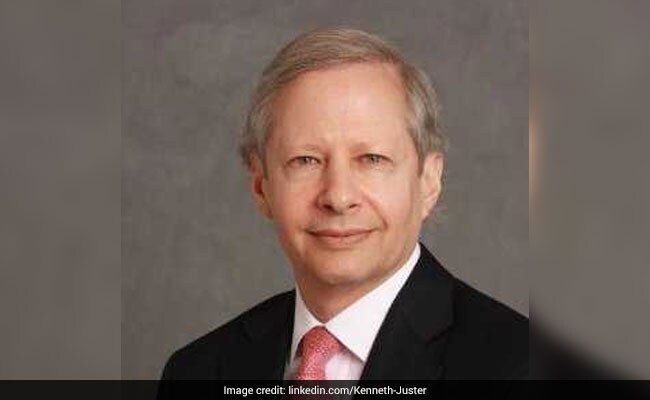
Donald Trump has done a lot of international traveling, but his 2020 trip to India occupies a special place in his memory. It isn't just standard political nostalgia. Former US Ambassador to India Kenneth Juster recently revealed that Trump privately described the tour as one of his absolute best bilateral visits, if not the single greatest international trip of his entire first term.
When you strip away the usual diplomatic fluff, it makes perfect sense why that trip stuck with him. The massive crowd at the "Namaste Trump" rally in Ahmedabad featured over 100,000 shouting fans crammed into the world's largest cricket stadium. For a leader who evaluates his success through the lens of crowd size and television spectacle, India offered an ego boost that European summits could never match.
But behind the optics, that visit laid a heavy structural foundation for Washington and New Delhi. As both nations eye another potential presidential tour next year, the strategic ties are facing fresh tests over tariffs and a long-delayed bilateral trade deal.
The Strategy Behind the Spectacle
People often dismiss massive diplomatic rallies as empty theater, but the 2020 visit served a clear geopolitical purpose. Washington needed to anchor New Delhi firmly within its Indo-Pacific strategy to counter China. Prime Minister Narendra Modi understood how to appeal directly to Trump’s personal style to get things done.
The strategy worked well. According to Juster, the core pillars of the partnership—defense, advanced technology, energy, and healthcare—kept moving forward despite occasional friction. It's a remarkably resilient bond because both sides recognize they need each other. The United States remains India’s largest export market, while India sits as an indispensable counterweight in Asia.
The chemistry between the leaders wasn't just for the cameras. Behind the scenes, the administration operated with an intensity that occasionally shocked career bureaucrats. Current US Ambassador Sergio Gor recently shared a telling anecdote about Trump's eagerness to keep the momentum going, noting that the president often wanted to call Modi as early as 6 AM.
The Missing Piece of the Puzzle
If the relationship is so solid, why haven't the two nations signed a comprehensive trade agreement yet? It's the one big piece of unfinished business left on the table.
For years, negotiators have targeted a massive $500 billion bilateral trade volume. While commerce grows steadily year after year, closing the actual deal has been notoriously difficult. The remaining hurdles are relatively narrow, but they carry heavy political weight on both sides.
Indian-American lawmakers like Representative Ro Khanna have pointed out that aggressive tariff policies under the Trump administration previously eroded some of that core bilateral trust. India has historically protected its domestic agricultural and manufacturing sectors with high duties, which draws sharp criticism from Washington.
Closing this deal requires viewing trade as a strategic necessity rather than just an economic spreadsheet. The US needs to diversify supply chains away from Beijing, and India needs deeper American capital. Mukesh Aghi, President of the US-India Strategic Partnership Forum, indicated that negotiators are now in the final stretch, with differences narrowed down substantially.
What Lies Ahead for Washington and New Delhi
The true test of Juster's optimism arrives next year during the proposed presidential visit to India. Speculation is already mounting that Trump could be invited as the honored guest for India's Republic Day celebrations, an invite that signals the ultimate diplomatic validation in New Delhi.
Getting the relationship back to that 2020 high point will take more than just replicating a massive stadium rally. The global environment is far more complicated now, especially with intense technological competition surrounding artificial intelligence and semiconductor manufacturing.
To turn this historical momentum into tangible future gains, both governments must take definitive action right now:
- Finalize the immediate trade package: Negotiators must resolve the remaining agricultural and electronic tariff disputes to sign the long-awaited bilateral trade deal before the next major summit.
- Deepen the critical tech alliance: Move beyond defense hardware sales and focus heavily on joint engineering projects, leveraging India’s vast engineering talent pool to secure AI supply chains.
- Establish predictable immigration pathways: Streamline the H-1B registration process and visa renewals to ensure top technical talent can move between Silicon Valley and Indian tech hubs without facing constant administrative roadblocks.
The foundational groundwork laid down years ago proved that Washington and New Delhi can weather political storms. Now, both nations have to prove they can convert fond memories into a binding economic reality.