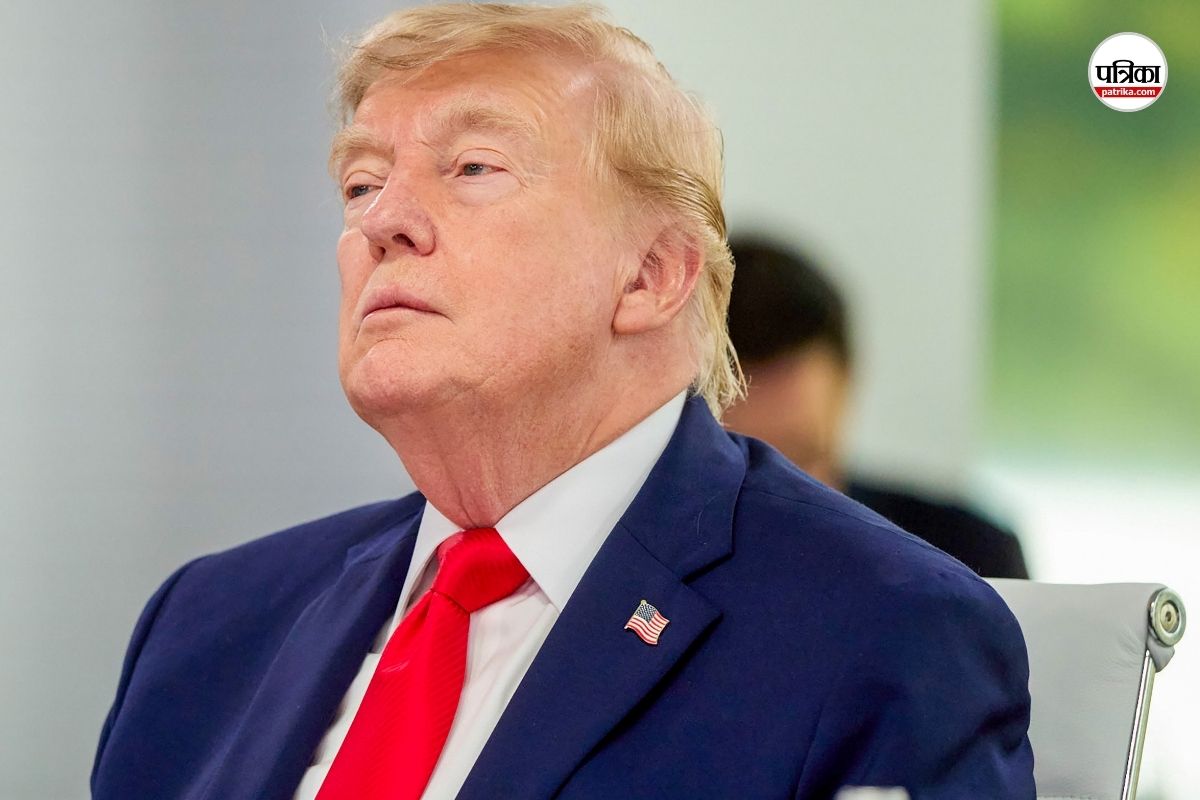
Donald Trump just took to Truth Social to drop his most volatile warning yet, claiming the Islamic Republic of Iran "will no longer exist" if the US has to finish the job it started. This isn't just standard political theater. It's a direct sign that the Pakistan-brokered interim peace agreement signed after the brutal conflict earlier this year is essentially toilet paper at this point.
If you're wondering why things escalated so fast, look at the Strait of Hormuz.
The Battle For The World's Chokepoint
Over the weekend, US Central Command (CENTCOM) launched heavy airstrikes hitting radar sites, communication systems, and drone storage locations inside southern Iran, specifically around Qeshm and Sirik. Why? Because an Iranian drone struck the Panama-flagged oil tanker Kiku, which was hauling two million barrels of crude oil through the Gulf.
The US says Iran violated the ceasefire first by targeting commercial shipping. Iran claims it's just policing its own waters.
"There may come a point when we are no longer able to be reasonable, and will be forced to militarily complete the job that we very successfully started," Trump posted.
Tehran didn't back down. Within hours of Trump's post, the Islamic Revolutionary Guard Corps (IRGC) fired retaliatory drones and missiles. They didn't just target US ships; they struck the Ali al-Salem airbase in Kuwait and the US Navy’s Fifth Fleet base in Bahrain. Air raid sirens tore through Bahrain twice in a single day.
What the Competitor Reports Missed
Most news outlets are treating this like a brand new argument. It's not. This is a continuation of the 12-Day War from earlier this year, where joint US and Israeli strikes heavily damaged Iran’s nuclear facilities.
Vice President JD Vance recently bragged on television that America holds all the cards. His logic? Even if peace talks collapse entirely, Iran's nuclear program is already crippled and their economy is a mess. The White House thinks they've already won.
But the reality on the ground shows a different story:
- The Strait of Hormuz is becoming a toll zone. Iran is trying to force all maritime traffic into a tight corridor running along its coast, demanding oversight on every ship.
- The ceasefire text was too vague. The memorandum signed by both nations lacked specific enforcement mechanisms for proxy attacks and regional shipping rights, leaving a massive grey area that both sides are exploiting.
- Regional escalation is real. Striking Kuwait and Bahrain shows Iran is willing to burn down the neighborhood to prove a point.
The Strategy Behind the Chaos
Iran knows it can't win a head-to-head conventional war with the US military. But experts at the Royal United Services Institute point out that Tehran doesn't need to win. They just need to keep the pressure high enough to rattle global energy markets.
With the US midterms coming up this November, the White House is under pressure to keep domestic gas prices stable. A drawn-out, low-level conflict in the Gulf hurts Washington more than it hurts an already-sanctioned Tehran.
Iranian Foreign Minister Abbas Araghchi made it clear that threats won't force them into a lopsided nuclear deal. They have their fingers on the trigger, and they're using the geography of the Gulf as leverage.
What Happens Next
Don't expect a sudden peace deal anytime soon. The Pakistan-brokered talks are completely stalled, and the 60-day window for safe, uncharged commercial passage through the strait is rapidly closing.
If you are tracking this conflict, keep your eyes on two things right now:
- Watch the corporate shipping routes. If major maritime firms completely pause evacuations and routes through Hormuz, global oil prices will spike immediately.
- Monitor regional air defense movements in Kuwait and Bahrain. Iran's willingness to strike US bases in neighboring Gulf states means the conflict is no longer contained to southern Iranian military targets.



:max_bytes(150000):strip_icc():focal(999x0:1001x2)/rishi-sunak-akshata-murthy-10-78981f8236984c69b70bc15bcb3d49e9.jpg)