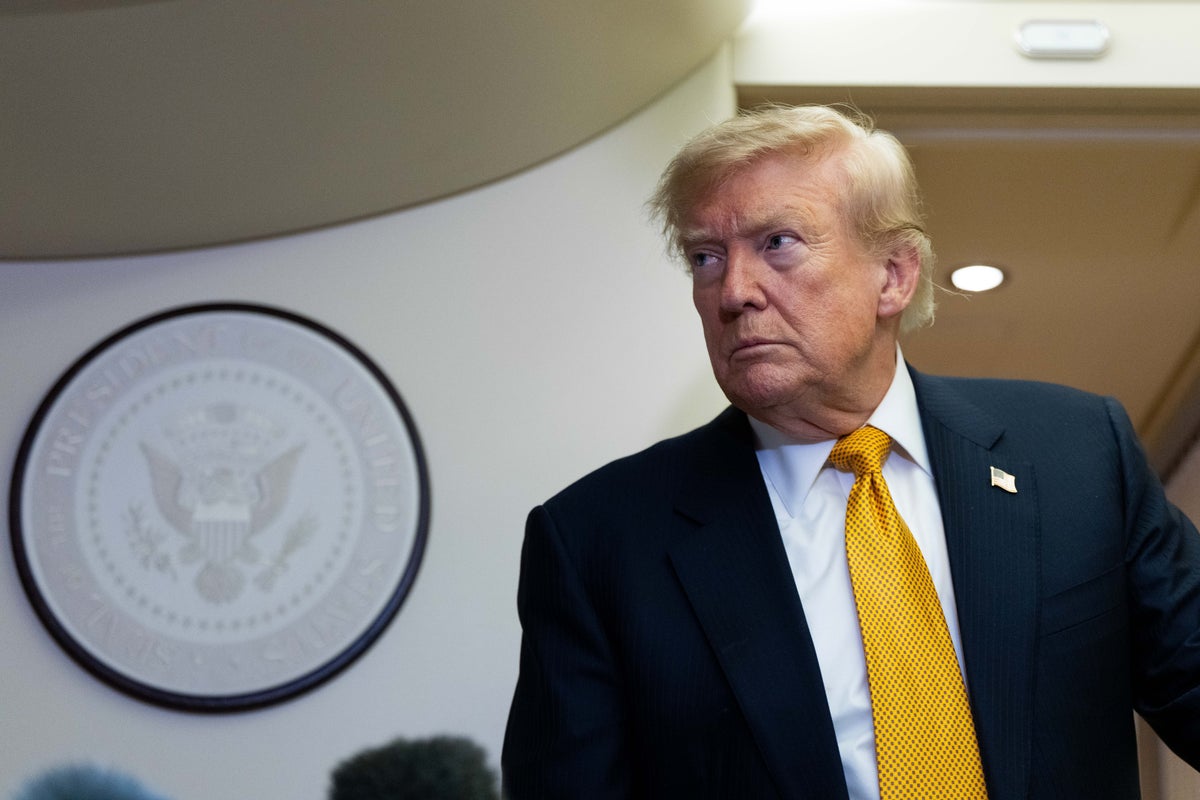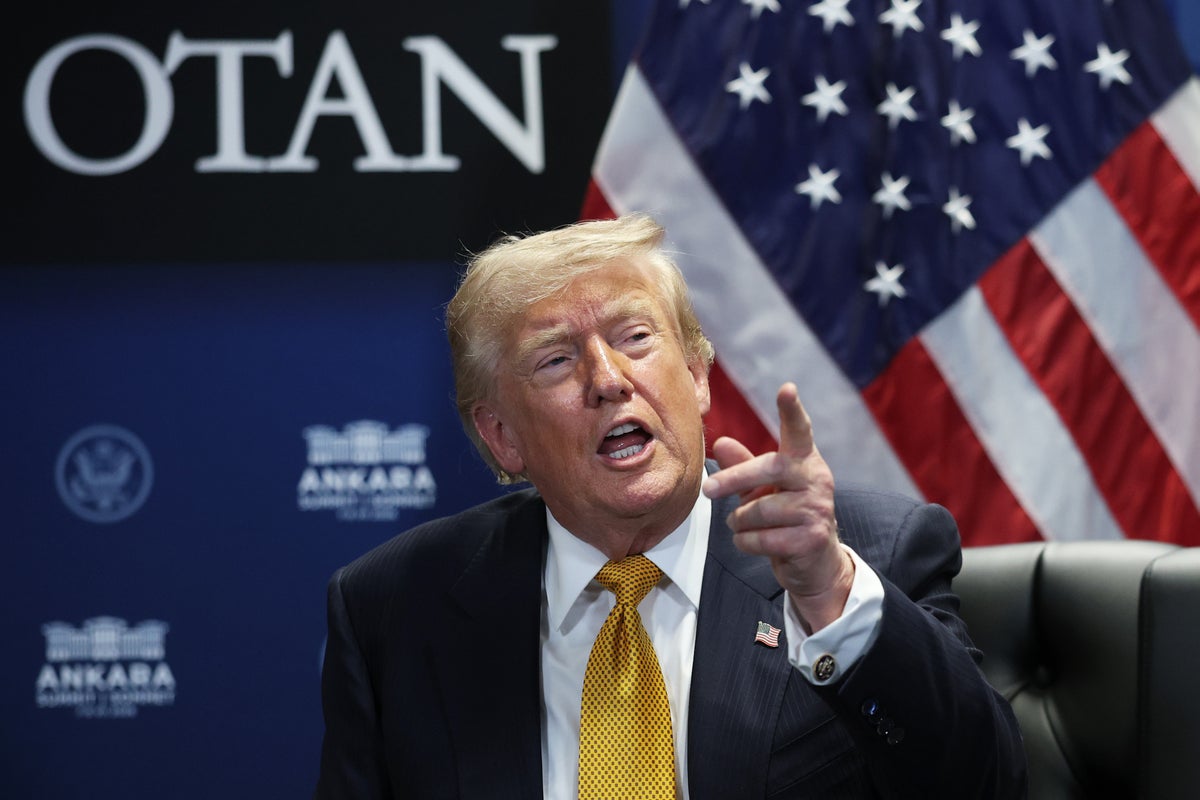
Donald Trump wants you to believe he is wildly popular. During a recent public outburst, the former president proclaimed he was sitting on a shiny 59 percent approval rating. It sounds impressive. It sounds dominant.
It is also completely made up. Don't forget to check out our earlier article on this related article.
Not a single reputable polling agency in the country puts his numbers anywhere near that high. From Gallup to Reuters, the actual data paints a radically different, far more sobering picture for his team. His actual approval numbers have stubbornly hovered in the high 30s to mid-40s, a far cry from the near-sixties victory lap he is trying to take.
So why make up a specific number like 59 percent? Why throw out a statistic that can be disproven with a three-second internet search? If you want more about the context here, BBC News offers an in-depth summary.
This isn't just a random slip of the tongue. It is a deliberate, time-tested political strategy.
The Art of the Imaginary Poll
Politicians spin data all the time. They highlight the good samples and ignore the bad ones. But there is a massive difference between cherry-picking a friendly poll and inventing a fictional data point out of thin air.
When Trump claims a 59 percent approval rating, he is utilizing a psychological tactic known as anchoring. By throwing out a high, specific number, he sets a baseline in the minds of his supporters. If you hear "59 percent" enough times, a real poll showing 42 percent starts to look like a malicious attack by the media rather than objective reality.
It creates an insulated bubble. Inside that bubble, the leader is universally loved, and any data suggesting otherwise is dismissed as fake news.
Experienced political strategists know exactly how this works. If you repeat a fake statistic with total confidence, a huge chunk of the audience won't bother to double-check it. They will just absorb the feeling of winning.
Why the Echo Chamber Buys It
People want to feel like they are on the winning team. It is basic human nature. When public figures manufacture these massive approval spikes, they are feeding that exact desire.
Look at how polling actually operates. True public opinion is messy. It shifts based on gas prices, economic policies, and daily headlines. It rarely jumps twenty points overnight without a massive historical event. Yet, the fictional 59 percent figure bypasses all nuance. It tells a simple, comforting story to a loyal base.
What the Actual Data Tells Us
Let's look at the numbers that actually exist. If you check aggregate trackers like FiveThirtyEight or RealClearPolitics, you see a remarkably flat line.
Historically, Trump’s approval ratings have been some of the most stable—and deeply polarized—in modern political history. He rarely experiences the massive surges or catastrophic plunges that characterized past presidencies. Instead, he stays locked into a tight band.
- Most non-partisan national polls place his support between 38 percent and 44 percent.
- His disapproval ratings frequently track higher than his approval, often sitting in the low 50s.
- Within his own party, his support remains incredibly high, often north of 80 percent, which is likely where the confusion—or deliberate conflation—originates.
Mixing up base popularity with national approval is a classic trick. Having 80 percent support among Republicans does not mean you have 59 percent support among the entire American electorate. It is basic math, but it gets obscured when yelling at a rally crowd.
How to Spot Fake Polling Claims
You don't need a degree in statistics to protect yourself from fake political data. You just need to know what questions to ask when a politician drops a shocking new number.
First, ask for the source. If a public figure says "a new poll shows," but doesn't name the firm, your alarm bells should start ringing. Legitimate campaigns are eager to brag about the specific organization that found them winning.
Second, check the aggregate. Never trust a single outlier poll. Look at the average of five or ten different polls taken over the same time frame. If one poll says 59 percent and nine others say 41 percent, that single high number is either a statistical anomaly or a complete fabrication.
Stop letting flashy, unverified numbers dictate your understanding of the political climate. The next time you hear a wild claim about a sudden surge in popularity, ignore the rhetoric and look at the aggregate trackers. True political awareness relies on verified trends, not stage-managed fiction.