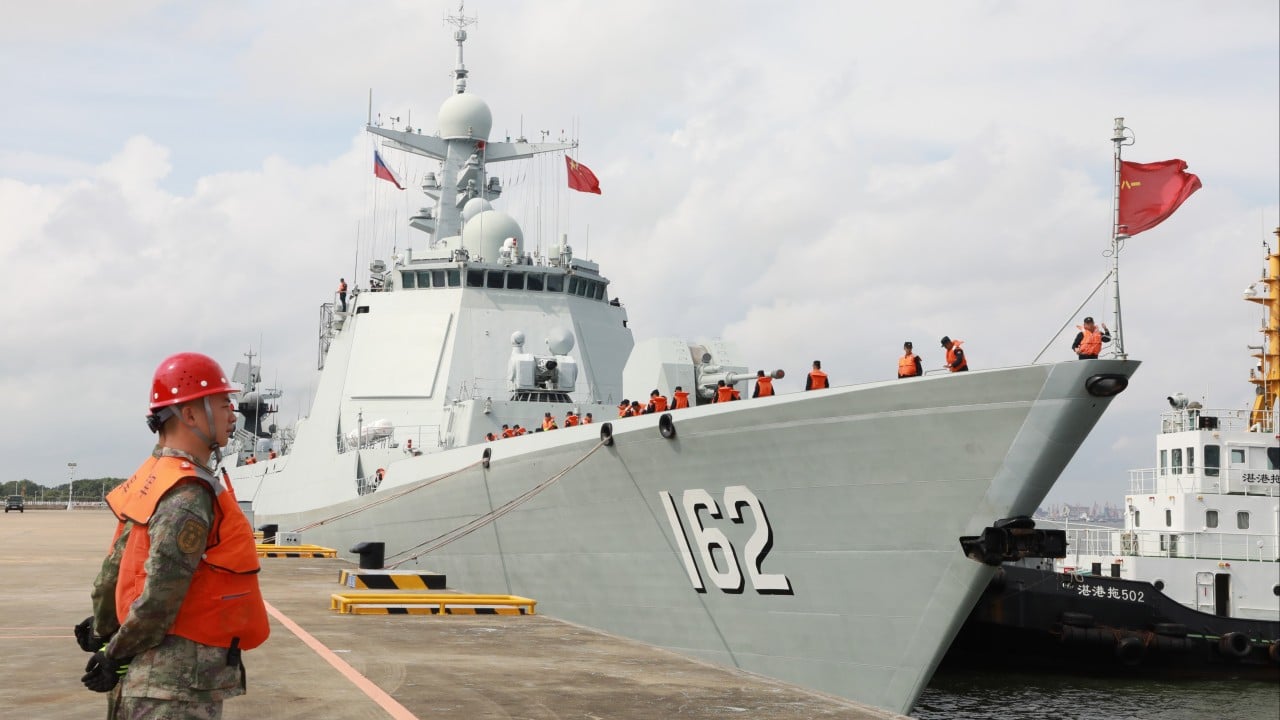
Two heavily armed Chinese warships are about to drop anchor in Victoria Harbour. On June 29, 2026, China’s Ministry of National Defense confirmed that a naval task group will arrive for a five-day stay starting July 2. This isn't just a routine pit stop. The upcoming PLA navy ships visit to Hong Kong carries significant political and military weight, giving the public a rare look at some of Beijing’s front-line maritime tech.
If you are trying to score tickets or just want to understand what these massive grey hulls signify, you need the full picture. The visit runs from July 2 to July 6. The main event features the guided-missile destroyer Nanning and the guided-missile frigate Hengyang. They are coming to host open-ship tours and cultural exchanges for residents of Hong Kong and Macao.
This isn't the first time the central government has sent advanced naval hardware to the city, but the timing and choice of vessels say a lot about regional diplomacy and public relations.
The Hardware Heading to Victoria Harbour
You can’t understand the impact of this visit without looking at the specific ships arriving. These aren't old training vessels or retired patrol boats. They are active-service assets that have seen real deployment in global hotspots.
Destroyer Nanning Hull 162
The star of the show is definitely the Nanning. It is a Type 052DL guided-missile destroyer. The "L" is the crucial detail here. It stands for lengthened. Chinese naval architects modified the original Type 052D design by extending the hull slightly at the stern.
Why does a few extra meters of steel matter? It comes down to aviation capacity. The standard destroyer version couldn't easily handle China's newer Z-20 multirole helicopter. The Z-20 weighs around 10 tons and needs more room to land and store safely. By lengthening the ship, the PLA Navy can deploy the Z-20 for anti-submarine warfare, search and rescue, and transport missions. It makes the destroyer much more versatile.
Commissioned in April 2021, the Nanning has already built a serious operational history. It served in the 43rd Chinese naval escort task force, patrolling the dangerous waters of the Gulf of Aden and off the coast of Somalia. More notably, it played a central role in evacuating Chinese nationals from Sudan when conflict erupted there.
Frigate Hengyang Hull 568
Accompanying the destroyer is the Hengyang, a Type 054A guided-missile frigate. The Type 054A forms the backbone of the Chinese navy's surface fleet. It is a workhorse designed for air defense and anti-submarine operations.
The Hengyang has logged thousands of miles on international missions. Sending these specific warships together shows that Beijing wants to display its modern, battle-ready fleet to local residents, rather than just ceremonial vessels.
What Lies Behind the Port Call Strategy
Why does Beijing regularly send its navy to Hong Kong? The official reason focuses on education and national pride. The Ministry of National Defense stated the goal is to give local compatriots a direct and deep understanding of national defense achievements in the new era.
It is soft power with big guns. By allowing citizens to step onto the decks of high-tech destroyers, the government builds a direct connection between mainland military power and the local population. It is highly visual. Seeing a warship framed against the famous Hong Kong skyline sends a clear message of sovereignty and security.
The timing also connects with local calendar milestones. Hong Kong recently marked the anniversary of its handover, and early July often sees patriotic public events across the city. This port call acts as a floating exhibition of national strength during a symbolic week.
How to Get On Board and What to Expect
If you are planning to visit the ships, you need to prepare for tight security and massive crowds. The open-day activities are incredibly popular, and space is always limited.
Past naval visits, including the massive carrier Shandong's visit, saw tickets disappear within hours of release. Local authorities usually distribute passes through community organizations, schools, or online ballots. You won't be able to just show up at the pier and hop on board.
Security will mirror airport protocols. Expect baggage scans, ID checks, and strict restrictions on what you can bring. Photography is usually permitted on the main weather decks, but certain angles or looking into interior hangar spaces might be restricted by onboard guides.
Sailors from the task group will also engage in cultural exchanges. These include sports matches with local groups and joint performances. It is a calculated effort to humanize the military presence and present the sailors as approachable professionals.
The Geopolitical Context You Cannot Ignore
We have to look at the broader map to understand why this matters right now. The South China Sea remains a friction point. Regional maritime tensions involve multiple neighboring countries and the United States.
By showcasing ships like the Nanning in a major international financial hub, the PLA reminds global observers of its naval modernization. The Type 052DL destroyer boasts advanced active electronically scanned array radars and vertical launch systems capable of firing anti-ship and air-defense missiles. It stands as a peer to Western combatants.
Showing off these capabilities in Hong Kong highlights the security umbrella that Beijing provides over its southern territories and vital shipping lanes.
Practical Next Steps for Enthusiasts and Visitors
If you want to catch a glimpse or secure a spot, follow these immediate steps.
Monitor official government press releases daily for the exact ticket distribution channels. The Hong Kong Home Affairs Department or local garrison announcements will specify the ticketing applications.
Find the best vantage points around Victoria Harbour for the arrival on July 2. The ships usually enter via the eastern channels early in the morning. Spots like the Tsim Sha Tsui Promenade or the Central waterfront offer the cleanest lines of sight for photographers wanting to capture the warships entering the harbor.
Prepare your documentation early. If you win a spot through the public distribution system, ensure your identity cards match the registration details exactly. The military security teams do not tolerate typos or missing paperwork at the gangway.
The five-day port call wraps up on July 6, meaning the window to see these active combat vessels is incredibly short. Keep your eyes on the local advisories to make sure you don't miss the arrival sequence.