The classroom is the new political battleground, and Texas just dropped a bomb right in the middle of it.
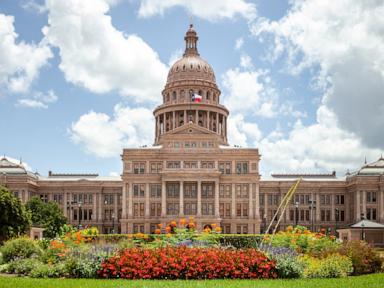
On June 26, 2026, the Republican-led Texas State Board of Education voted 9-5 to pass a mandatory reading list for more than five million public school students. It doesn't matter if you're in a progressive Austin neighborhood or a deeply conservative town in the Panhandle. Starting in 2030, your child will be required to read biblical passages as part of their standard curriculum.
This isn't about an optional elective. It's a sweeping state mandate that weaves the Old and New Testaments directly into English and literature classes from elementary school all the way through high school graduation.
Public education experts say Texas is the very first state to take this specific approach. While other states have tried to sneak religion into schools through the back door, Texas just marched right through the front gate. If you think this is only going to affect the Lone Star State, you're missing the bigger picture. Texas buys so many textbooks and dictates so much educational policy that what happens here almost always spills over into the rest of the country.
What is Actually on the Mandatory Reading List
Let's clear up some misinformation right away. The state isn't just handing every third-grader a King James Bible and telling them to start reading from Genesis. Instead, they’ve embedded specific biblical stories and passages into a list of roughly 200 required texts.
The state is pairing these religious readings alongside secular classics like Charles Dickens’ “Great Expectations,” Jane Austen’s “Pride and Prejudice,” and E.B. White’s “Charlotte’s Web.”
The pacing of what kids will read at different ages is highly strategic:
- Elementary School: Young children will read heavily adapted, picture-book style versions of famous stories like "David and Goliath" and "Daniel and the Lion's Den."
- Fourth Grade: This is where things shift. Students will begin reading specific passages about Jesus directly from the New Testament.
- Middle School: Students are required to read major chunks of Jesus's Sermon on the Mount, including verses instructing people to cast aside earthly anxieties and seek the kingdom of God.
- High School: Older students will dive into the parable of the prodigal son, significant portions of the Book of Job, and the story of Adam and Eve.
Interestingly, the board did face some internal pushback on the finer details. A proposed first-grade reading of Noah's Ark was abruptly pulled from the list just days before the final vote. Why? A board member complained that the text was too graphic, objecting to the descriptions of all the animals dying in the global flood.
The Core Argument for the Mandate
Supporters of the new curriculum aren't hiding their goals. They believe public education has spent decades stripping religion out of American history, and they want to reverse the trend.
Conservative advocacy groups like Texas Public Policy Foundation heavily lobbied for this change. Their argument is simple: you can't actually understand Western literature, art, or the founding of the United States without understanding the Bible.
If a student reads Charles Dickens but doesn't know what the "prodigal son" means, they're missing the literary context. Proponents argue that teaching these stories isn't evangelism; it's cultural literacy. They claim the Bible influenced generations of thinkers and leaders, making it vital for civic responsibility.
There's also a clear push to celebrate what supporters call America's "unwavering Christian values" as the nation approaches its 250th anniversary. For many conservative parents and leaders, this vote feels like a massive victory in a long-running cultural war.
Why Critics Say This Violates the Constitution
On the other side of the aisle, the blowback has been furious. Civil liberties groups, teacher unions, and non-Christian religious organizations are already preparing for a massive legal fight.
The primary legal challenge will focus on the Establishment Clause of the First Amendment, which prevents the government from establishing or favoring any particular religion. Critics note that the mandatory list relies almost entirely on the King James Bible and specific evangelical translations.
Organizations like the Texas Freedom Network argue that this sends a clear, dangerous message to children: one specific religion is favored by the state, while others don't matter. There are no mandatory texts from the Torah, the Quran, or any eastern religious traditions on the list.
Furthermore, teachers are furious about losing their professional autonomy. The National Council of Teachers of English pointed out that school districts and local educators have traditionally chosen their own reading assignments based on their specific student populations. Now, Austin is micromanaging their daily lesson plans.
While Texas law technically allows parents to pull their kids out of specific assignments that conflict with their moral or religious beliefs, critics say this forces non-Christian kids into an impossible situation. A child can either sit through a lesson that violates their family's faith, or walk out of the room and face social isolation and bullying from their peers.
The Bigger National Strategy
To understand why this is happening right now, you have to look at the broader political climate. This reading list didn't appear out of thin air. It's part of a highly coordinated, multi-step strategy by conservative lawmakers to bring Christian teachings back into public classrooms.
Take a look at what Texas has done just over the last few years:
- 2023: Texas passed a law allowing public schools to replace certified school counselors with unlicensed religious chaplains.
- 2024: The state board gave a narrow nod to Bluebonnet Learning, a faith-infused elementary school curriculum that offered schools financial incentives to adopt biblical lessons.
- 2025: Lawmakers passed a strict mandate requiring every single public school classroom to prominently display the Ten Commandments.
Texas isn't acting alone. Louisiana passed a similar Ten Commandments law, and other conservative states are watching closely. With a conservative majority on the U.S. Supreme Court, lawmakers in these states are intentionally passing laws meant to trigger lawsuits. They want to challenge decades-old legal precedents that separate church and state.
What Happens Next for Parents and Teachers
Because the mandate doesn't officially take effect until 2030, school districts have a bit of breathing room, but the chaos is starting immediately.
If you're a parent or educator in Texas, here's what you need to do to prepare:
- Review the full 200-text list: Don't rely on talking points from political pundits. Request the complete required reading list from your local school board so you know exactly what books and verses are being introduced at your child's grade level.
- Understand your opt-out rights: Under Chapter 26 of the Texas Education Code, parents have the right to remove their child from temporary activities or assignments that conflict with their religious beliefs. If you don't want your child reading these specific translations, you need to submit a written request to the school principal well in advance.
- Watch the federal courts: This policy will almost certainly be blocked by a federal judge before 2030 as the lawsuits wind their way through the legal system. Keep a close eye on the Fifth Circuit Court of Appeals, which will likely rule on the constitutionality of both this reading list and the state's Ten Commandments mandate.
The line between teaching about religion and actively teaching religion has officially been crossed in Texas. Whether the rest of the nation follows suit depends entirely on what happens next in the courtroom.