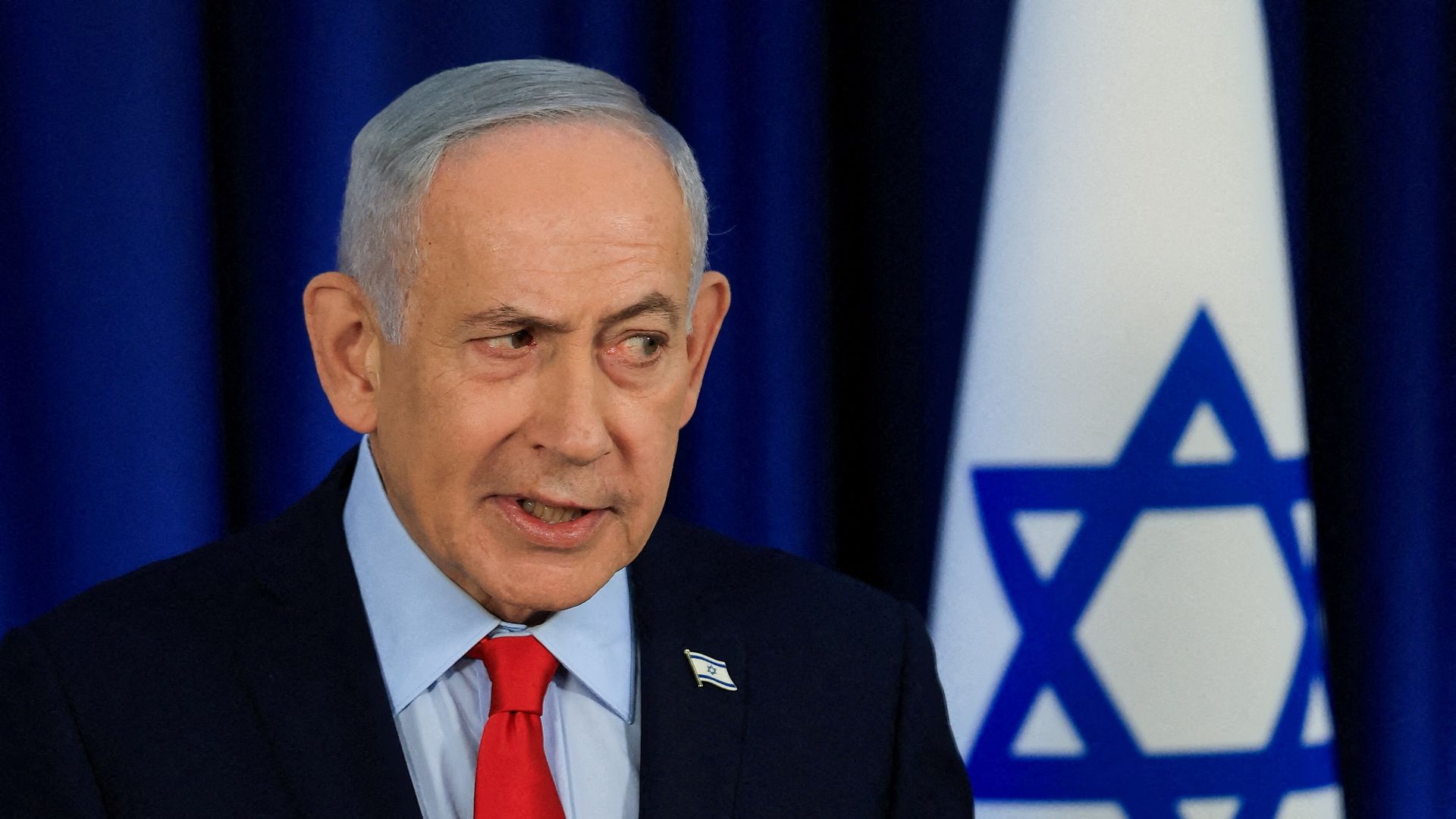
A group of 75 cross-party MPs and peers just did something that would've been politically unthinkable not long ago. They sent a formal letter to Foreign Secretary Yvette Cooper demanding targeted sanctions against Israeli Prime Minister Benjamin Netanyahu and his Justice Minister Yariv Levin.
The charge? Overseeing the systematic, well-documented torture and abuse of Palestinian civilians. Meanwhile, you can find other developments here: Why Germany’s New Tomahawk Deal Proves European Strategic Autonomy Is Broken.
This isn't just about scoring quick political points. It's a direct assault on the comfortable British diplomatic strategy of sanctioning fringe extremists while giving the actual decision-makers a free pass. For years, the UK government has played a delicate game, slapping financial restrictions on radical West Bank settler networks or far-right ministers like Itamar Ben-Gvir and Bezalel Smotrich.
But those minor measures didn't work. The situation escalated anyway. The MPs are arguing that if you want to stop the systemic abuse, you have to go after the people holding the levers of state power. To understand the bigger picture, we recommend the recent article by Wikipedia.
The Strategy of Toothless Sanctions
Let's look at what the UK has done so far. Last year, the government placed sanctions on Ben-Gvir and Smotrich for incitement of violence. It looked great on a press release. It felt like accountability. But in reality, it changed absolutely nothing on the ground.
As the cross-party letter organized by Labour MP Neil Duncan-Jordan points out, those measures did little to alter Israel's approach to detainees. Instead, abuse worsened with near total impunity.
When you only target peripheral figures, you treat systemic state policy like it's a series of isolated rogue incidents. Human rights groups like Amnesty International UK have been yelling into the void about this for months. They rightly point out that targeting funding networks while leaving the architects untouched isn't real accountability. It's a PR stunt. The policies of forced displacement, mass detention, and systemic abuse are directed from the very top of the political structure.
The Evidence Foreign Policy Makers Can No Longer Ignore
What's driving this sudden, aggressive push from Westminster? It's a mountain of undeniable, heavily verified evidence that has surfaced over the last few months.
- The UN Findings: A United Nations report detailed how custodial abuse has become an integral tool of domination and punishment against Palestinian men, women, and children.
- The CCTV Footage: In March, a case involving the horrific alleged rape of a Palestinian detainee by Israeli soldiers was partially caught on CCTV. Instead of demanding a full prosecution, Netanyahu publicly praised the military advocate's decision to drop the charges.
- The Flotilla Interceptions: In April and May, Israeli naval forces intercepted the Global Sumud Flotilla and Freedom Flotilla Coalition in international waters. British citizens were on those boats. They were detained, and many alleged they were beaten and shot. Footage of their treatment was actively shared online by Israeli officials.
The Israeli government routinely denies these allegations. They claim their military and intelligence services adhere strictly to international legal standards. But when video evidence exists and top officials openly defend the abusers, those denials stop carrying weight.
Inside the Westminster Rebellion
The sheer diversity of the politicians signing this letter shows how far the consensus has shifted. This isn't just a collection of the usual left-wing backbenchers. The 75 signatories span almost the entire political spectrum:
- Four Green MPs and two peers
- Four Plaid Cymru MPs
- Six Sinn Fein MPs
- Two SDLP MPs
- Two Liberal Democrat MPs and two peers
- One SNP MP
- One Conservative MP and one peer
When you have Tory peers joining forces with Sinn Fein and mainstream Labour MPs, something fundamental has broken in the traditional diplomatic relationship. They're all pointing to the UK's own Global Human Rights Sanctions regime. The law allows for asset freezes and travel bans on anyone responsible for gross human rights violations. The legal framework is sitting right there, ready to use. The only thing missing is the political courage to apply it to a sitting prime minister of an allied nation.
What This Means for British Foreign Policy
The Foreign, Commonwealth and Development Office responded by calling the reports of mistreatment "disgraceful." They reiterated their stance that hundreds of children shouldn't be held without charge for months. They called for Red Cross access.
But words are cheap. Statements don't freeze bank accounts.
If Yvette Cooper and Keir Starmer ignore this demand, they send a clear message that certain world leaders are above the law, no matter how egregious the evidence against them. If they act, it completely reshapes Britain's standing on the world stage and signals an end to the era of selective accountability.
The next steps for anyone watching this space are clear. Watch the upcoming Foreign Office question time in Parliament. Pressure your local representatives to find out where they stand on the Duncan-Jordan letter. The debate over peripheral vs. structural sanctions is over. The architects have been named, and the government has to choose whether to shield them or hold them accountable.

:max_bytes(150000):strip_icc()/Sabyasachia-998984251b434f3a9c350c5694ef7f32.jpeg)