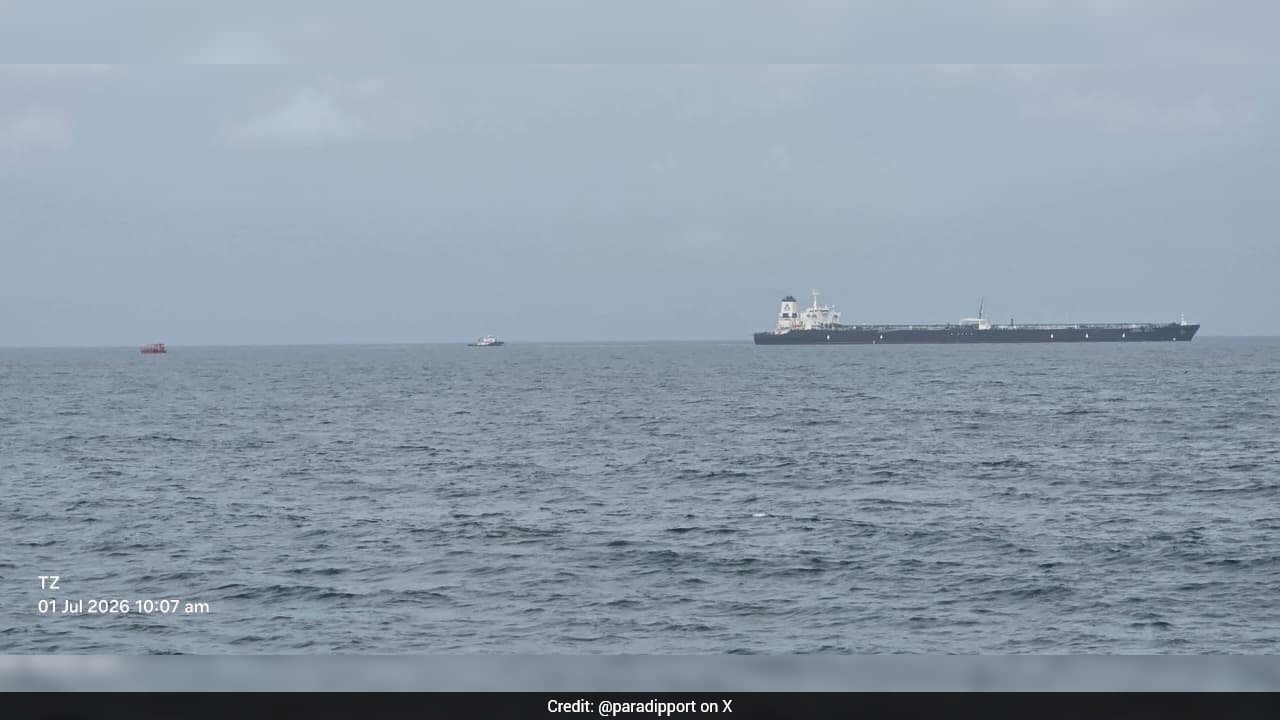
An oil tanker floating through the Strait of Hormuz suddenly comes under intense gunfire. Shrapnel tears into the metal hull. Onboard, the crew scrambles, makes a split-second decision to alter their course, and fights to keep the vessel moving forward.
This isn't a scene from a Hollywood action movie. It happened to the MT Sanmar Herald, an India-bound oil tanker packed with nearly 2 million barrels of Iraqi crude oil. The ship finally docked safely at Paradip Port in Odisha, but the incident sends a chilling reminder of how fragile global energy truly is.
If you think a shooting in the Middle East doesn't impact you, think again. When a bottleneck like Hormuz gets volatile, the shockwaves travel straight to your local gas station.
What Happened to the MT Sanmar Herald
The MT Sanmar Herald was carrying out a routine run, transporting massive amounts of Iraqi crude destined for Indian refineries. As it navigated the narrow waters near the Strait of Hormuz, unknown attackers opened fire.
The ship sustained real shrapnel damage. Rather than panicking or stopping, the crew changed their route to escape the immediate danger zone, keeping the vessel running toward the Indian coast. They managed to complete the journey to Odisha without any further incidents, avoiding what could have been a catastrophic oil spill or an international hostage situation.
While everyone walked away safe this time, the event exposes the massive gamble involved in moving oil through global maritime chokepoints.
The Real Vulnerability of the Strait of Hormuz
To understand why this gunfire matters, you have to look at the map. The Strait of Hormuz is a narrow stretch of water sandwiched between Oman and Iran. It connects the Persian Gulf with the Gulf of Oman and the Arabian Sea. At its narrowest point, the shipping lane is only about two miles wide in either direction.
Yet, a huge chunk of the world's petroleum passes through this tiny gap. We are talking about roughly 20% of the world's liquid petroleum consumption.
When a ship gets shot at here, global energy markets notice. Refiners get nervous, insurance premiums for cargo ships skyrocket overnight, and shipping companies start debating whether they should take the long way around Africa. When shipping costs rise, you pay for it at the pump.
India's High-Stakes Energy Dependence
India imports over 80% of its crude oil. A massive portion of that supply comes from Middle Eastern nations like Iraq, Saudi Arabia, and the UAE. That means India's economic engine relies heavily on the safety of the Strait of Hormuz.
The MT Sanmar Herald was carrying nearly 2 million barrels of oil. If that ship had sunk or been seized, it wouldn't just be an insurance nightmare. It would mean a direct hit to India's energy reserves. Refinery schedules get disrupted, supply chains stall, and prices tick upward.
The Indian government has been working hard to diversify its energy sources, buying more oil from Russia and exploring African and Latin American markets. But the reality is simple. The Middle East remains the bedrock of global oil supply, and India can't easily detach itself from the geography of the region.
Moving Beyond Simple News Snippets
Most mainstream media outlets just report the basic facts. A ship got hit, it arrived in Odisha, and everyone is fine. But they miss the bigger picture of what happens next.
Maritime security isn't just about naval warships patrolling the waters. It's about the merchant mariners who have to sign up to sail through active conflict zones. When attacks increase, finding crews willing to man these tankers becomes harder and much more expensive.
Furthermore, incidents like this force a massive recalculation of risk for international shipping cartels. If a channel opened by the UN's International Maritime Organization or a route deemed "safe" can still result in shrapnel damage, then no route in the region is truly safe without an armed escort.
What Happens Next for Global Shipping
You can expect to see immediate ripple effects from this incident.
Navies will likely increase their presence in the Arabian Sea and near the mouth of the Persian Gulf. Indian authorities will continue to engage in quiet, intense diplomacy with regional powers to ensure that India-bound cargo isn't targeted in wider geopolitical disputes.
For the average consumer, the lesson is clear. The energy infrastructure we rely on every day hangs by a thread. A single tense moment in a two-mile-wide strait can change economic forecasts half a world away.
Keep an eye on maritime insurance rates over the coming weeks. If those numbers climb, it's a surefire sign that your local fuel costs are about to do the exact same thing.