The fragile peace in the Middle East has officially shattered.
On Tuesday, July 14, 2026, the United States military officially resumed its heavy naval blockade of Iranian ports, sending shockwaves through global energy markets. This dramatic escalation came alongside a fourth consecutive day of US airstrikes targeting Iranian military assets near the highly strategic Strait of Hormuz.
If you think this is just another typical geopolitical flare-up, you're mistaken. The unraveling of the June ceasefire and the return of a "dual blockade" could push global oil prices to historic highs and drag the region back into an all-out war.
Here's the real story of what is happening on the water, the moves behind Donald Trump's shifting strategy, and what this actually means for the global economy.
The Blockade Restarts After a Failed Ceasefire
At exactly 4:00 PM Eastern Time on Tuesday, US Central Command (CENTCOM) officially restarted the naval blockade against vessels traveling to or from Iranian ports and coastal areas.
This isn't the first time we've seen this play out. The US initially blockaded Iran in mid-April following the breakdown of peace talks. That blockade was temporarily lifted in mid-June when an interim ceasefire was agreed upon to give diplomatic talks over Iran’s nuclear program a chance.
But that diplomatic window has slammed shut.
Just one hour before the blockade officially took effect Tuesday, US forces launched a coordinated wave of strikes across southern Iran to systematically degrade the country's ability to attack commercial shipping.
- The Targets: Iranian state media reported heavy explosions around the vital port city of Bandar Abbas, near Sirik in the Hormozgan province, and on the strategic island of Qeshm. Strikes were also reported further inland near Ahvaz and around Bushehr, which hosts Iran’s only civilian nuclear plant.
- The Forces Involved: According to CENTCOM, more than 20 US Navy warships and hundreds of advanced military aircraft are actively operating in the region to enforce the blockade and execute the strikes.
- The Human Toll: The renewed hostilities have already taken a heavy toll. At least 28 people have been killed in Iran since the latest wave of US strikes began last week.
Why the Strait of Hormuz is the Ultimate Choke Point
To understand why this conflict is so incredibly dangerous, you have to look at a map.
The Strait of Hormuz is a narrow, hook-shaped waterway squeezing between Iran and Oman. It’s the only water passage from the Persian Gulf to the open ocean. Before this conflict erupted, roughly 20% to 25% of the world's liquefied natural gas (LNG) and seaborne oil moved through this tiny channel daily.
Basically, whoever controls the Strait of Hormuz controls the jugular of the global energy market.
[Persian Gulf] ---> (Strait of Hormuz / US Blockade Zone) ---> [Gulf of Oman]
                                 ^
                      Iran Coastline (Mined)
Right now, we are witnessing what experts call a "dual blockade". The US Navy is blockading Iran's ports to starve its economy. In retaliation, Iran is trying to block the entire Strait of Hormuz to stop the rest of the world from getting Gulf oil.
Iran's methods are messy but highly effective:
- Sea Mines: Iran has heavily mined the central shipping lanes of the Strait, forcing ships to choose risky alternative routes.
- Swarm Tactics: Hundreds of armed IRGC speedboats regularly harass and board merchant vessels.
- GPS Jamming: Iran uses satellite spoofing to disrupt navigation systems, making it incredibly easy for commercial tankers to accidentally drift into hostile waters.
The impact has been devastating for shipping companies. Before the war, about 130 cargo ships passed through the Strait daily. This week, that number plummeted to an average of just 14 ships a day.
Trump Changes the Playbook: No Tolls, More Strikes
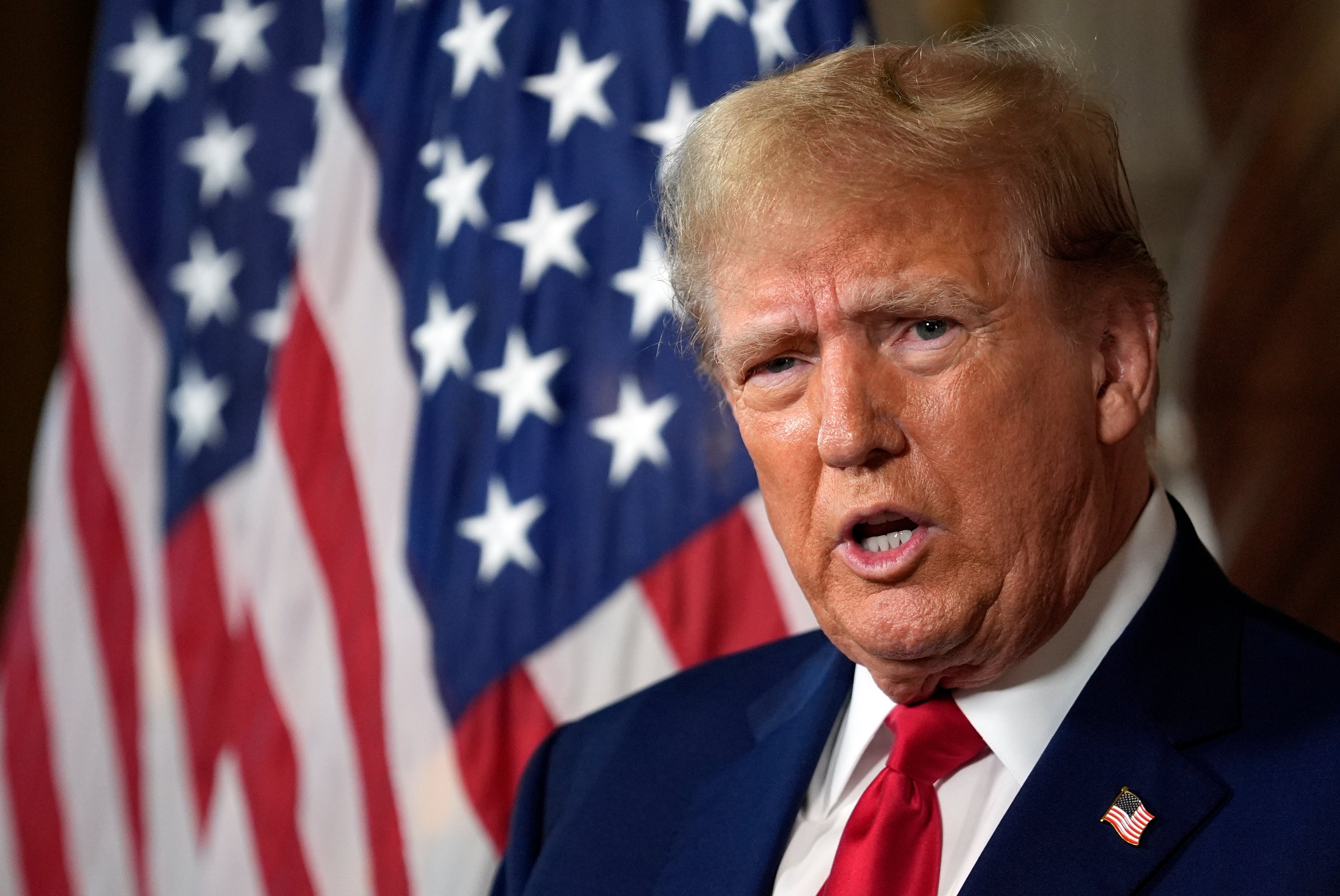
On Monday, President Donald Trump made waves by announcing that the US would act as the official "Guardian of the Hormuz Strait" and proposed charging a 20% security fee on all commercial vessels passing through. Shipping companies and Gulf allies immediately balked at the idea, arguing it would destroy the legal concept of free transit in international waters.
By Tuesday, Trump pivoted.
Instead of a 20% transit fee, the US will accept massive bilateral trade and investment deals from wealthy Gulf states. "They said we'd love to do it a different way. We'd love to invest in the United States with billions and billions of dollars," Trump told reporters.
But while the transit fee was dropped, the military pressure was dialed up. Speaking to Fox News, Trump issued a blunt ultimatum: if Iran doesn't sit down and cut a deal, the US will expand strikes next week to target critical civilian infrastructure, including Iranian power plants and bridges.
The Escalating Firefight
The conflict is rapidly spilling over beyond US-Iran border skirmishes, dragging in regional neighbors and global shipping firms.
According to CENTCOM Commander Admiral Brad Cooper, Iran has intentionally targeted seven commercial vessels over the last week alone, leaving nearly a dozen civilian crew members dead, injured, or missing.
- Tankers Hit: A Norwegian-owned chemical tanker, the Stolt Magnesium, was struck by an explosion off the coast of Oman, causing a major fire in its engine room. Two other tankers were hit inside the Strait itself, resulting in two civilian deaths.
- Regional Fallout: Iran's Revolutionary Guard (IRGC) launched retaliatory drone and missile attacks on US assets in neighboring countries, striking a military facility in Jordan and hitting a residential building used by US forces in Bahrain. An Iranian drone strike also targeted Kuwaiti airbases.
- Financial Crackdown: The economic war is intensifying alongside the physical one. Treasury Secretary Scott Bessent announced that the US has frozen over $130 million in digital assets held in crypto wallets controlled by the Central Bank of Iran.
What Happens Next: The Immediate Economic Impact
If you're wondering how this affects you, look no further than your local gas station. Crude oil prices have already surged to their highest levels in weeks as news of the renewed blockade broke.
If the US blockade remains in place and Iran continues its guerrilla campaign in the Strait, we are looking at a prolonged global energy crisis. Unlike blockades of the past, Iran has the geographic position and military hardware to fight back in a way that directly hurts the wallet of every consumer on Earth.
Here's what to watch for over the next few days:
- Shipping Insurance Rates: Expect maritime insurance premiums for Gulf transits to skyrocket even further, forcing more shipping companies to bypass the region entirely.
- The Threat to Infrastructure: If Tuesday's airstrikes don't force Iran to negotiate, the US threat to strike power grids and bridges next week could push this localized naval conflict into a devastating, full-scale regional war.
- Gulf State Involvement: Watch how Gulf allies like Saudi Arabia and the UAE respond to Trump's demand for billions in investments in exchange for US naval security.
The ceasefire is dead, the warships are in position, and the global economy is holding its breath.