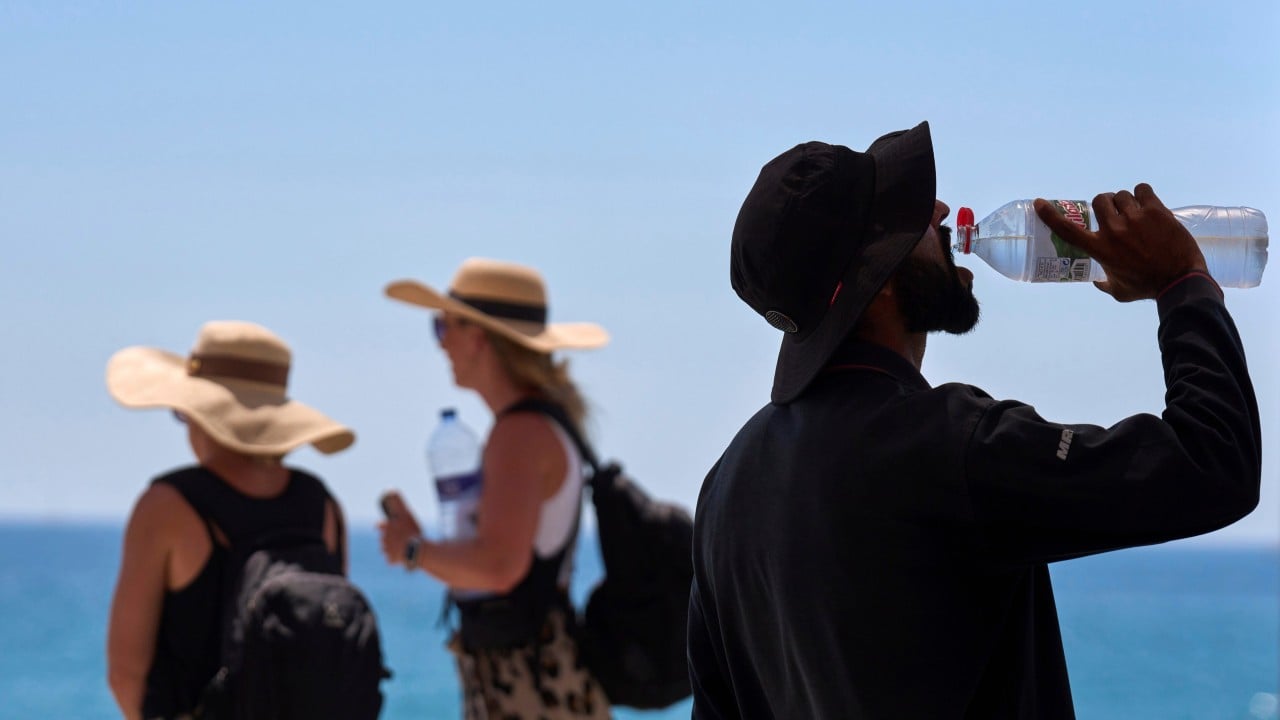
Summer isn't just getting hotter. It's starting earlier, moving faster, and turning lethal before most people even unpack their shorts.
Spain just wrapped up its second-hottest June on record, and the human cost is staggering. According to official data released by the Carlos III Health Institute and the MoMo daily mortality monitoring system, extreme heat killed 1,029 people across the country in June 2026 alone. That is more than double the 407 heat-related deaths recorded in June 2025.
If you think this is just a normal seasonal shift, you are missing the bigger picture. The first six months of 2026 were the hottest ever recorded in Spain since tracking began. Temperatures from January to June averaged 1.6°C above normal levels. The country is baking from the inside out, and the infrastructure is struggling to keep pace.
The Invisible Killer in the Mediterranean
Heatwaves don't come with the visual terror of a hurricane or a flood. There's no debris, no dramatic rescue footage. Instead, the air simply thickens, concrete turns into an oven, and vulnerable bodies give out.
Last month, a punishing five-day heatwave sent temperatures screaming past 40°C (104°F). At the peak of this extreme weather event on June 23, 35.7 million people—roughly 73% of Spain’s entire population—faced direct health risks from the suffocating conditions. Even more alarming, 38% of those citizens were classified as facing high risk.
The national weather agency, AEMET, reported that June average temperatures were a massive 3.2°C higher than the long-term norm. It fell just shy of the absolute record set in June 2025, cementing a terrifying back-to-back trend.
"The seven warmest first semesters since records began have all occurred over the past 10 years," AEMET stated openly.
📖 Related: what time is it in abq nm
Smashed Records and Sleepless Nights
The sheer volume of broken temperature milestones in June is hard to comprehend. Local weather stations across Spain registered 165 maximum temperature records. Among those, 145 were monthly highs, and 20 were all-time historical peaks.
But daytime heat is only half the problem. The real danger often happens when the sun goes down. If the air doesn't cool off at night, the human body cannot recover from daytime heat stress. Spain shattered 225 highest minimum temperature records in June—including 45 all-time nighttime highs. These aren't just uncomfortable "tropical nights." They are hazardous windows where the body's internal cooling mechanisms fail.
The northern regions of Spain, usually shielded by cooler maritime climates, took a severe beating. AEMET spokesperson Ruben del Campo noted that the early summer heatwave in the north was completely exceptional. It wasn't just intense; it lasted longer and persisted with an unusual stubbornness.
This Is Not Your Average Summer
Let's clear up a common misconception. Skeptics love to point out that Spain has always been hot in the summer. That is true, but the timeline has radically shifted.
Historical records starting in 1975 show Spain has experienced 12 official June heatwaves. The terrifying part? Half of those 12 heatwaves happened within the last decade alone. Furthermore, the 13 hottest months of June since 1961 have all occurred in the 21st century.
The World Weather Attribution group, an international team of scientists that analyzes extreme weather events, looked at the broader European heat signature. Their verdict was blunt. The late June heatwave that scorched Spain, Germany, Poland, and France would have been virtually impossible without human-driven climate change.
While Spain bore the brunt of the mortality rate, the rest of the continent broke out in a sweat. All-time June heat records fell in the UK, Switzerland, Germany, Slovakia, and Hungary. France faced its highest nighttime temperatures ever recorded. Europe is running a fever, and June is the new July.
How to Protect Yourself in Extreme Heat
You can't control the climate today, but you can change how you deal with extreme heatwaves. Vague advice like "stay cool" won't save you when the thermometer hits 42°C. You need an aggressive, practical strategy to keep your body temperature down.
Master Strategic Hydration
Don't wait until you're thirsty to drink water. By then, your body is already dehydrated. Drink fluids consistently throughout the day, and completely avoid heavy alcohol or excessive caffeine, which actively strip moisture from your system. If you are sweating heavily, plain water isn't enough; you need to replenish lost minerals with an electrolyte solution or sports drink.
Cool Your Living Space Early
If you don't have air conditioning, use your windows like a thermal valve. Keep windows and blinds tightly shut during daylight hours to trap cooler air inside and block out radiation. Open everything wide at night only if the outside temperature drops below your indoor temperature. Use electric fans to move air, but remember that when indoor air temperatures rise above 35°C (95°F), fans will not prevent heat illness and can actually accelerate dehydration by blowing hot air over your skin.
Know the Warning Signs
Heat exhaustion can mutate into fatal heatstroke in minutes. Watch for these red flags in yourself and your family:
- Dizziness, confusion, or sudden coordination loss.
- Heavy sweating that suddenly stops, leaving the skin hot, red, and completely dry.
- A rapid, pounding pulse or a severe throbbing headache.
- Nausea, vomiting, or fainting.
If you suspect heatstroke, call emergency services instantly. Move the person to a shady or air-conditioned space, douse their skin with cool water, and apply ice packs to their groin, neck, and armpits where major blood vessels sit close to the surface.