A predator is walking free, and the police are crisscrossing the country to find him. It sounds like the plot of a gritty crime drama, but it's the cold reality facing residents in south east London right now. The Metropolitan Police just went public with an extraordinary nationwide dragnet. They're locked in a high-stakes DNA hunt for a suspected double rapist who targeted vulnerable women in broad daylight. This isn't your standard investigation. Detectives aren't just knocking on local doors; they're analyzing genetic code and chasing familial links across the United Kingdom.
If you think this doesn't affect you because you don't live in London, you're mistaken. The police are travelling to various regions to knock on doors and collect voluntary cheek swabs. The suspect's relatives could be living anywhere from Scotland to Cornwall, completely unaware that their DNA holds the key to solving two horrific attacks. This case highlights both the terrifying persistence of a predator and the staggering power of modern forensic tracking.
Understanding how we got here requires looking at the timeline. It reveals a chilling pattern of behavior that should put everyone on high alert.
The Attacks in Thamesmead and Abbey Wood
The timeline stretches back six years. It shows a predator who knows how to spot vulnerability. The first attack happened in May 2020 near the Thames Path in Thamesmead. A vulnerable woman was targeted during daylight hours. In a residential area where people should feel safe, she was assaulted. For a long time, that case sat unresolved.
Then came June 2024. More than four years later, the attacker struck again. This time, the location was Sewell Road in Abbey Wood, just a short distance from the first site. It was Wednesday, 19 June 2024. CCTV cameras captured a man leading another vulnerable woman into a derelict area. Shortly after, the victim contacted the police to report she had been raped.
Specialist Met officers and partner agencies have supported both victims since those terrifying days. The physical evidence left at both scenes told a definitive story. When scientists analyzed the genetic material from the 2020 Thamesmead assault and the 2024 Abbey Wood attack, the results were identical. The exact same man was responsible for both.
Detective Chief Inspector Zoe Hendrick is leading the investigation. She made it clear that cases like this are exceptionally rare. Predators who strike in residential areas during broad daylight pose a massive risk to the public. That's why the Met isn't waiting around for the suspect to make a mistake. They're tracking his bloodline instead.
How the National Crime Agency Tracks Familial DNA
When a suspect's DNA isn't on the National DNA Database, the trail doesn't simply go cold. The police bring in the National Crime Agency to run a familial DNA search. This process looks for partial matches within the national database. It identifies people who are likely to be fathers, sons, or brothers of the unknown suspect.
Human DNA is a massive sequence of numbers and markers. While the odds of two unrelated people sharing an identical full profile are less than one in a billion, close relatives share significant chunks of genetic code. The National Crime Agency built a specific list of men who share a close familial match with the DNA found at the south east London crime scenes.
This list serves as a biological map. A dedicated team of Met officers is working through these names one by one. They aren't treating these relatives as suspects. Instead, they view them as a bridge to the actual perpetrator.
Voluntary DNA Testing and What It Means Across the UK
The legwork required for this strategy is immense. Officers are travelling across the country right now to meet with people on that familial list. They are asking these citizens to provide voluntary evidential samples.
A lot of people get nervous when the police show up asking for DNA. That's completely understandable. But these voluntary swabs are used purely for elimination purposes. If a relative provides a sample, it allows geneticists to chart the family tree more accurately. It helps rule out certain branches of a family and points the finger directly toward the specific individual the police need to find.
The Met has emphasized that these samples are collected with full consent. They're used to narrow down the pool of potential suspects. It's a massive, quiet operation happening in living rooms all over Britain.
The CCTV Evidence and the Ten Thousand Pound Reward
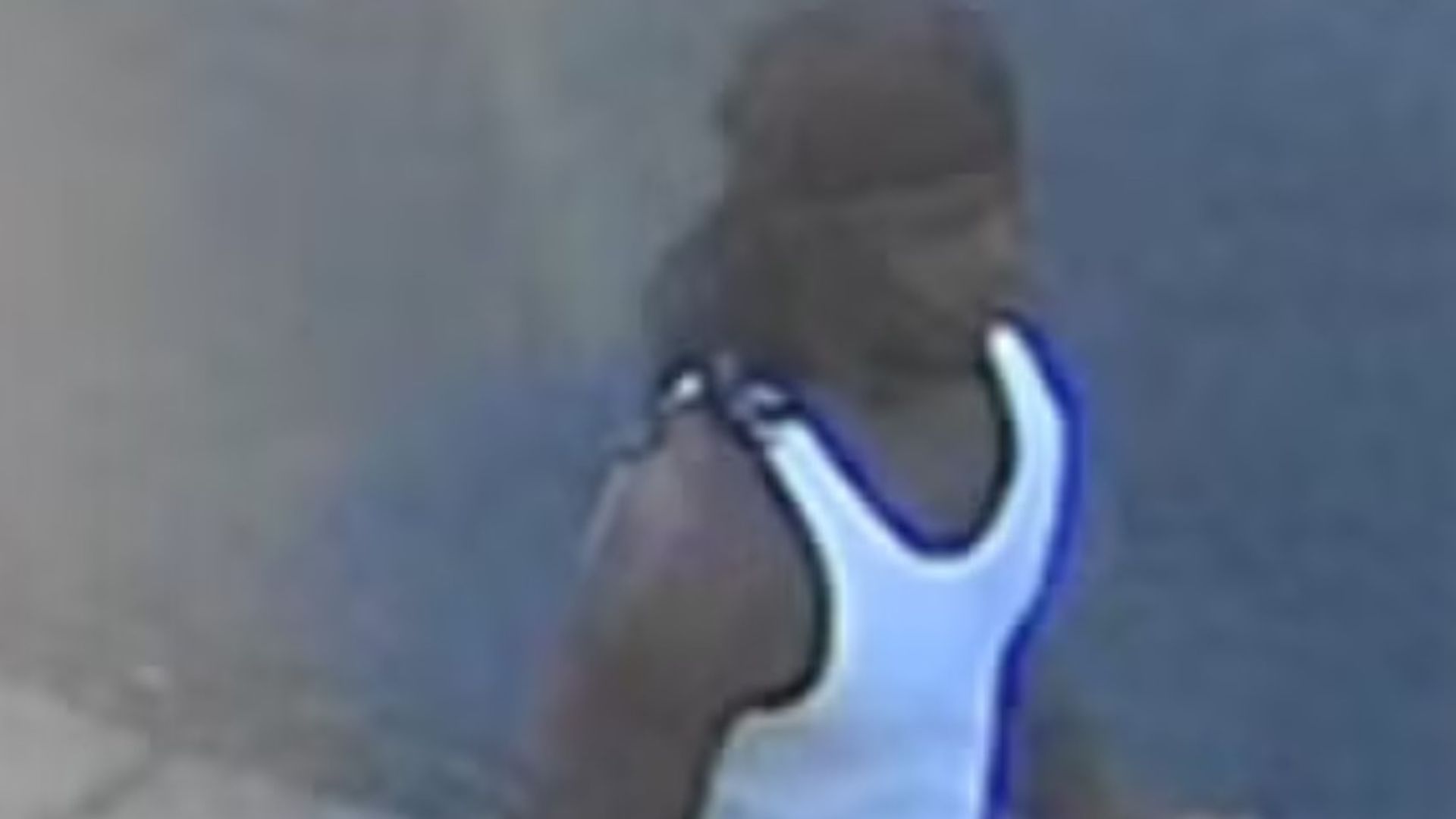
The biological hunt is only one side of the coin. The Met is also pushing hard on public recognition. They reissued CCTV images of a man they urgently need to speak with regarding both attacks.
The images show a man dressed casually in a white vest, jeans, and white trainers. It's an ordinary outfit, the kind of clothing thousands of men wear every day. But someone out there knows exactly who this person is. They might recognize the way he walks, his posture, or the fact that he has links to both Thamesmead and Abbey Wood.
To help jog memories and encourage people to step forward, the independent charity Crimestoppers stepped in. They are offering a reward of up to £10,000. This money goes to anyone who provides information that leads to the conviction of the man responsible.
The most important part of the Crimestoppers reward is the anonymity. Alexa Loukas, the Regional Manager for Greater London at Crimestoppers, stressed that contacting them involves no names, no recorded statements, and no court appearances. They don't care who you are. They only care about what you know.
What You Can Do Right Now to Help
If you lived in or visited south east London around May 2020 or June 2024, think back. Did you see anyone acting suspiciously near the Thames Path or Sewell Road? Do you know someone who suddenly changed their behavior or left the area around those dates? Even a tiny detail that feels insignificant could be the missing piece of the puzzle.
If you recognize the man described or have any information, you have multiple ways to report it securely:
- Call the police directly on 101.
- Send a direct message to the Met Police via Twitter/X @MetCC.
- Quote the specific case reference: CAD 3842/30JUN2026.
- Call Crimestoppers completely anonymously at 0800 555 111.
- Submit an anonymous form online through the official website at crimestoppers-uk.org.
Don't assume someone else will make the call. If you have a suspicion, act on it immediately. Your call could get a dangerous predator off the streets and prevent another woman from experiencing a devastating attack.



:max_bytes(150000):strip_icc():focal(999x0:1001x2)/rishi-sunak-akshata-murthy-10-78981f8236984c69b70bc15bcb3d49e9.jpg)