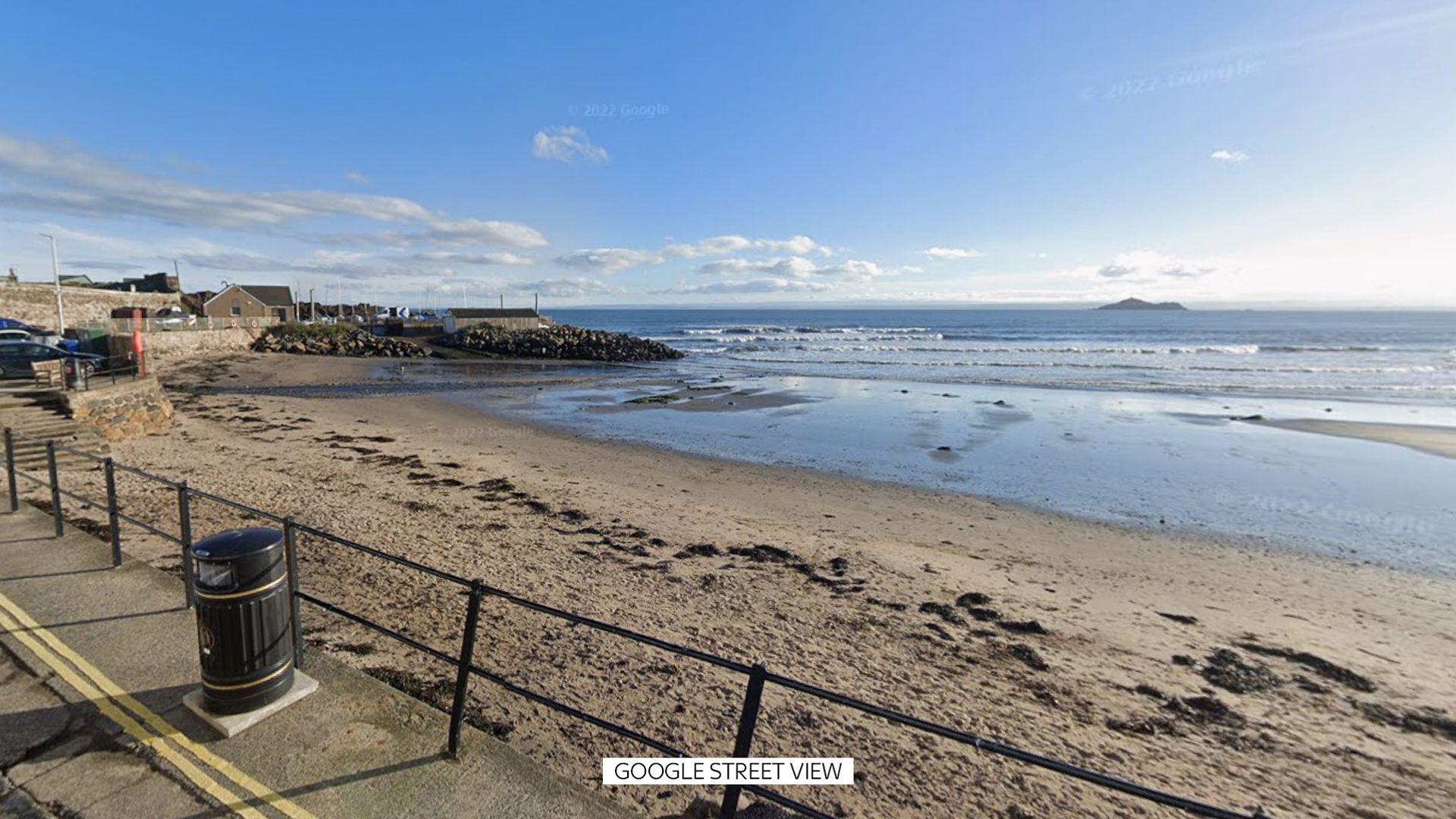
Don't let the postcard-perfect views fool you. If you're planning a trip to Kinghorn Harbour Beach in Fife, you need to check where you step. The Scottish Environment Protection Agency (SEPA) and Scottish Water just issued an emergency alert telling people to stay away from the Kinghorn Burn, a stream that cuts right through the sand and empties into the beach.
Tests reveal the water quality in this specific stream is intermittently poor due to a localized pollution incident. This isn't just about murky water. It's a genuine public health hazard. Local authorities, including NHS Fife and the Fife Coast and Countryside Trust, have already put up temporary warning signs.
If you get this stuff on your skin or accidentally swallow it, you're looking at a rough few days. The official medical warnings list a nasty lineup of symptoms: stomach cramps, fever, heavy vomiting, and severe diarrhoea.
The media loves to run short, scary headlines about beach closures and then move on. But if you actually use Scotland's coastlines for swimming, dog walking, or taking your kids out for a weekend paddle, you need to understand exactly what's happening beneath the surface.
The Dirty Truth About Coastal Burns
Most people think beach pollution means sewage pumping directly into the open ocean. Sometimes it does. Just days before the Fife incident, a massive burst sewage pipe in North Ayrshire forced officials to ban swimming at Saltcoats and Ardrossan beaches after an emergency discharge of screened waste.
But Kinghorn is different, and honestly, way more complicated.
The contamination isn't out in the deep blue sea. It's in the burn. In Scotland, a burn is just a small river or stream. The Kinghorn Burn actually flows underground right beneath the town before bursting out onto the harbor beach. Because it runs directly underneath streets, homes, and old infrastructure, it acts like a sponge for hidden leaks.
Scottish Water admitted that fixing the issue is uniquely complex. They've been hunting through the underground drainage networks and sewer systems to find out exactly where the high bacteria levels are bleeding into the stream.
Here's the frustrating part for beachgoers. The wider ocean water at Kinghorn Harbour is officially designated as a bathing water spot, and SEPA says the main sea area remains open for now. But streams like the Kinghorn Burn cut directly across the sand where toddlers love to build sandcastles and dogs love to splash. You can easily step into a pool of contaminated stream water without ever touching the ocean.
What Public Officials Aren't Telling You About Water Safety
The official stance from water authorities is always a variation of "we are monitoring the situation." That sounds reassuring, but it ignores a systemic issue facing the UK's coastal infrastructure.
Environmental watchdogs don't test every stream, every day. SEPA runs scheduled sampling at over 80 designated bathing waters from May 15 to September 15. If a pipe leaks on a Tuesday and the official test isn't until Friday, thousands of people could walk right through toxic water before a warning sign ever goes up.
The problem gets exponentially worse after a heavy downpour. Scotland's combined sewage systems are designed to overflow into waterways during heavy rain to prevent flooding in people's homes. When that happens, raw, untreated waste washes into agricultural land, urban streets, and ultimately, local burns that feed straight onto popular beaches.
If it has rained heavily in the last 48 hours, assume the local beach stream is contaminated. Don't wait for a council worker to stick a piece of plastic signage in the sand.
How to Protect Your Family and Pets
A quick coastal trip shouldn't land you or your pet in the hospital. If you're heading to the Fife coast or any other Scottish beach this summer, change how you approach the water.
- Avoid the freshwater streams entirely: Keep your kids and dogs out of the slow-moving burns that cross the sand. They are far higher risk than the open, moving tide.
- Watch your dogs like a hawk: Dogs don't just swim; they drink the water. Leptospirosis, blue-green algae, and E. coli run rampant in polluted streams and can kill a dog in days.
- Check the digital dashboards before you pack: Don't just show up and hope for the best. SEPA runs a live bathing water quality prediction tool online for 30 major sites across Scotland. Use it.
- Wash off immediately: If you or your kids make contact with water near a drainage area, rinse off with clean water right away. Pack a gallon jug of tap water in your car boot just for this purpose.
If you've visited the Fife area recently and start feeling feverish or experience sudden stomach bugs, don't just brush it off as bad takeout. Skip the standard GP wait times and go straight to the NHS Inform website or call NHS 24 on 111 to report the exposure. Local health boards track these calls to map out just how far the contamination has spread.


