You can only ignore a blockade for so long before the drones find you. Overnight, Ukraine Unmanned Systems Forces proved that point with devastating clarity.
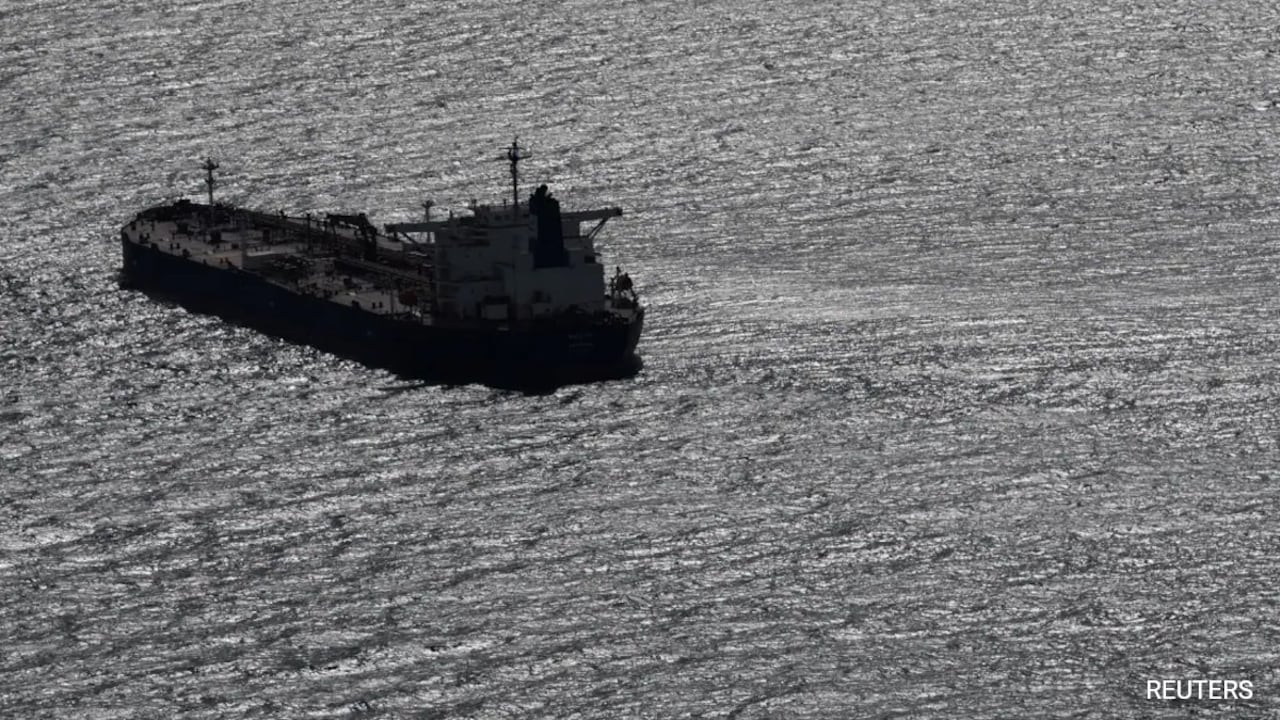
In a single, coordinated swarm attack, Ukrainian long-range strike drones hunted down and hit eight Russian shadow fleet tankers operating in the shallow waters of the Sea of Azov. According to Robert "Magyar" Brovdi, commander of the 414th Separate Brigade "Birds of Magyar," the specialized "Kairos" pilot unit executed the entire operation in one night.
The target wasn't just a random collection of ships. These vessels form the literal lifeblood of the Azov–Crimea fuel route, a maritime pipeline keeping Russian military logistics alive on the occupied peninsula.
The Night the Azov Sea Caught Fire
We aren't talking about small fishing boats here. The Ukrainian military confirmed that the targeted vessels are massive, 140-meter-long tankers, each boasting a deadweight of roughly 7,000 tonnes. Built between 2006 and 2012, these ships were specifically flagged, tracked, and already under international sanctions.
Ukrainian forces identified seven of the eight crippled vessels:
- Venera-3
- Sanar-1
- Sanar-17
- Klimena
- Teti
- Alexei Savrasov
- Penelopa
The name of the eighth vessel remains under verification, but its fate was the same as the others. Black-and-white drone footage released by the Unmanned Systems Forces showed multiple explosive UAVs slamming directly into the hulls, triggering massive fireballs. To make matters worse for Russian logistics, the operation also successfully damaged a dry cargo ship and a critical transport ferry in the same vicinity.
When fully loaded, a fleet of eight tankers in this specific class carries anywhere from 40,000 to 50,000 tonnes of fuel. Knocking them out in one fell swoop completely paralyzes the immediate distribution of gasoline and petroleum products between Russian mainland ports, the Kerch Strait, and Crimean depots.
Choking the Crimean Supply Line
This isn't a random escalation. It's a calculated strategy to isolate Crimea entirely. For weeks, Ukraine has systematically pounded energy networks, refineries, and transport hubs across the peninsula. The pressure has gotten so intense that local occupation authorities had to declare a state of emergency in several districts due to severe, crippling fuel shortages.
When you cut off the rail lines and bridges, the sea becomes the only option left. Russia thought it could rely on its shadow fleet—vessels operating with their transponders turned off, masking their ownership, and flying flags of convenience—to quietly ferry fuel to its southern grouping of forces.
They thought wrong. Striking these maritime logistics routes complicates the supply of fuel and ammunition necessary to support the daily operations of Russian troops. Without fuel, armor doesn't move, jets don't fly, and logistics trucks stop running.
The Politics Behind the Smoking Hulls
For years, Kyiv has pleaded with Western allies to tighten enforcement on these ghost ships. The shadow fleet exists primarily to help the Kremlin bypass international price caps and Western oil sanctions. While the diplomatic wheels grind slowly, Ukraine's military has decided to enforce the sanctions themselves, using cheap explosives and precision drone navigation.
Interestingly, this aggressive maritime campaign isn't happening in a vacuum. Recent reports indicate that international dynamics are shifting, with some Western intelligence agencies offering quiet support or at least a green light for Ukraine to systematically dismantle this illegal merchant fleet. By taking out the vessels actually moving the product, Ukraine hits the Kremlin where it hurts most: its war wallet and its frontline fuel tanks.
What Happens Next
If you're watching this conflict closely, don't expect the smoke to clear anytime soon. The immediate tactical focus shifts to how Russia intends to replace 50,000 tonnes of shipping capacity in an area that Ukrainian drones can now reach with impunity.
Expect to see Russia scramble to reroute fuel via dangerous overland routes through occupied southern Ukraine, paths that are already heavily targeted by Western-supplied HIMARS and long-range missiles. For maritime insurers and the remaining crews operating illegal Russian cargo routes in the Black Sea and Sea of Azov, the risk calculation just skyrocketed. If you fly a shadow flag for Moscow in these waters, you are now an active military target.