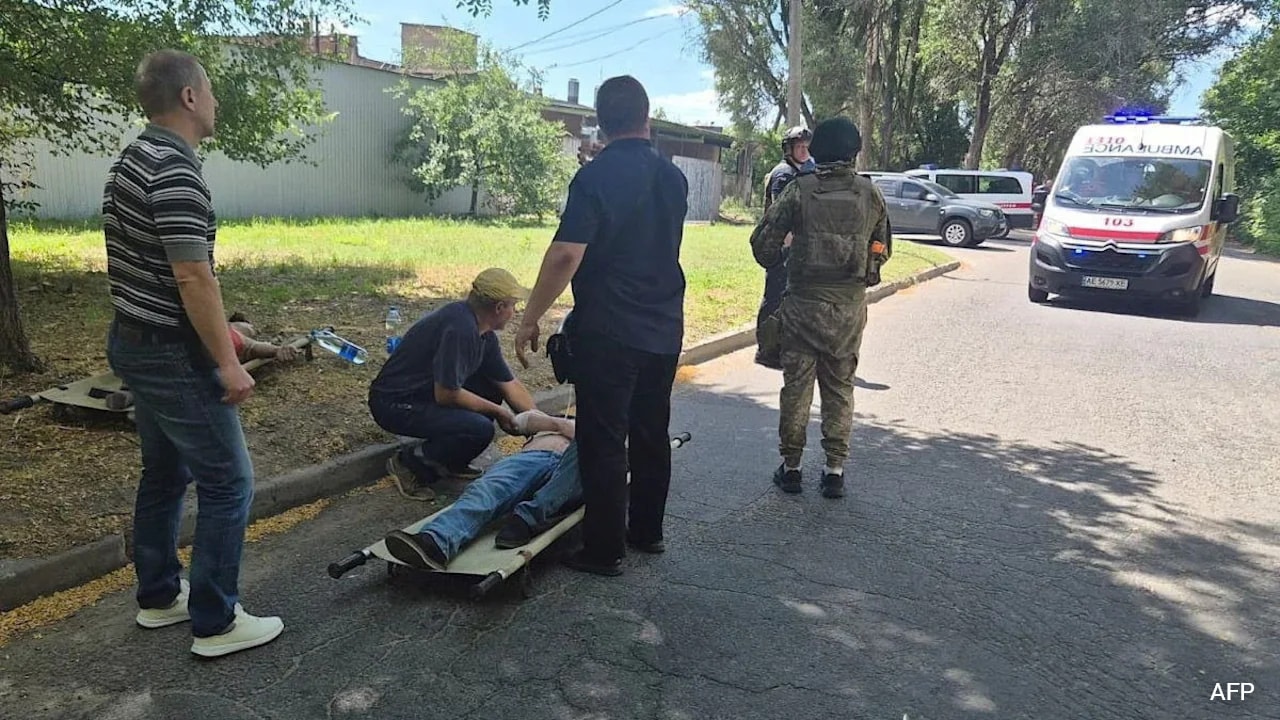
Russia just launched another massive wave of drone and missile strikes across Ukraine, killing at least 10 civilians and wounding dozens more. Air raid sirens screamed through the night as local officials reported heavy casualties spanning from Kyiv to the central city of Dnipro. The human toll is devastating. Houses are gone, apartment blocks have crumbled, and emergency crews are digging through smoking rubble.
But behind the horror of these civilian deaths lies a stark military reality. This strategy isn't working for Moscow. Vladimir Putin's air campaign is burning through billions of dollars in hardware, yet it's failing to break the Ukrainian spirit or shift the front lines.
If you're trying to make sense of why these strikes keep happening and what they actually achieve on the ground, you need to look past the tragic headlines.
The Human Cost of the Latest Bombardment
The latest numbers out of Ukraine tell a familiar, heartbreaking story. According to local authorities and updates posted by regional military administrations, the overnight assault utilized dozens of long-range weapons.
In Kyiv, Mayor Vitali Klitschko confirmed that falling debris and direct hits sparked fires across multiple districts. A nine-story residential building in the central Podilskyi district partially collapsed after a suspected missile strike, trapping families under concrete. Emergency services worked through the morning to pull survivors from the wreckage.
Meanwhile, the city of Dnipro bore the brunt of the casualties. Six people died there, with dozens more hospitalized. These weren't military bases or ammunition depots. They were high-rises, small shops, and suburban neighborhoods. The UN Human Rights Monitoring Mission in Ukraine has repeatedly pointed out that using high-explosive weapons in densely populated urban centers guarantees high civilian casualties. Yet, the Kremlin continues the practice.
Why Putin Keeps Ordering Civilian Strikes
It's easy to look at these attacks and see pure, uncalculated cruelty. While terrorism is certainly part of the intent, the Kremlin has specific strategic motives, even if they're deeply flawed.
First, it's about domestic propaganda. The Russian military has faced severe bottlenecks on the actual front lines. Progress in eastern Ukraine has slowed down dramatically. By launching highly visible missile strikes on major Ukrainian cities, Putin can broadcast images of destruction to his domestic audience, signaling that Russia is still on the offensive.
Second, Russia is actively trying to exhaust Ukraine’s air defense stocks. Every cheap, Iranian-designed drone that flies toward Kyiv forces Ukraine to make a choice. Do they fire a multimillion-dollar Patriot missile to save an apartment building? Moscow wants Ukraine to run out of interceptors so Russian fighter jets can finally dominate the skies.
The strategy backfires. Instead of forcing Kyiv to negotiate, these attacks push Western allies to send more advanced air defense hardware.
The Burning Problem Inside Russia
While Russia drops missiles on Ukrainian cities, Ukraine is hitting back where it hurts most. Ukrainian long-range drone technology has quietly evolved from an experimental program into a major strategic threat.
In recent months, Ukrainian drones have repeatedly struck deep inside Russian territory, focusing almost exclusively on oil refineries, fuel depots, and logistical nodes. These aren't symbolic attacks. They've caused genuine fuel shortages inside Russia, forcing long lines at gas stations in several regions.
Putin recently had to acknowledge these shortages publicly. While the Kremlin tries to minimize the impact by calling it a temporary issue, the truth is that Ukraine is successfully disrupting the Russian military supply chain.
What This Means for the War Moving Forward
The Institute for the Study of War has noted that Russia’s overall performance continues to slip. The Kremlin wants the world to believe that its victory is inevitable. But on the ground, their troops are paying an astronomical price for tiny patches of land.
Air strikes won't win this war for Russia. They don't capture territory, and they don't destroy the underground manufacturing hubs where Ukraine builds its own weapons. They simply harden Ukrainian resolve.
For the international community, the path forward is clear. Ukraine doesn't just need humanitarian aid; it needs anti-ballistic defense systems to protect its sky. Until Western allies ramp up production of these defensive systems, Ukrainian civilians will keep paying the price for Putin's stalled invasion.
To stay informed or assist, you can check verified trackers like the UN Human Rights Monitoring Mission updates or support organizations like United24 providing medical and defense support on the ground.