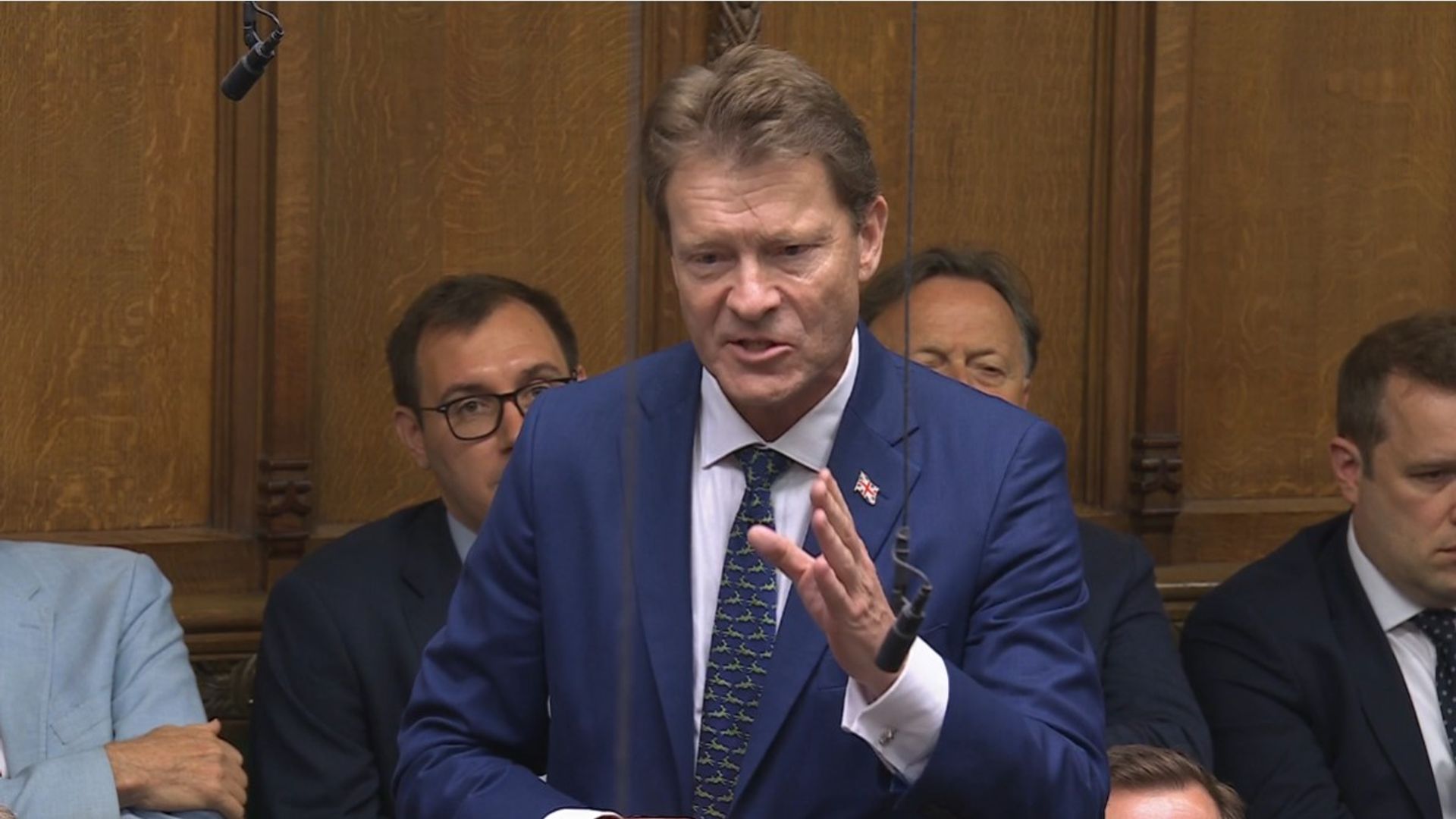
Reform UK deputy leader Richard Tice is calling on Greater Manchester Mayor Andy Burnham to take over Thames Water.
It sounds wild at first glance. Burnham operates in the North West. Thames Water serves London and the Thames Valley, pumping water for roughly 16 million people. So why is a politician pointing across regional boundaries to solve Britain's messiest utility crisis?
Because Thames Water is choking on debt. It owes over £15 billion, faces rising interest costs, and keeps leaking sewage into local rivers. The company's parent firm defaulted on its debts, and financial collapse remains a constant threat. People are sick of higher bills alongside polluted rivers. Tice's demand taps right into that anger.
The Logic Behind the Political Pitch
Tice isn't asking Burnham to personally manage pipes in Reading or Battersea. Instead, he wants the high-profile Labour mayor to use his political weight and regional authority setup to push a public ownership model.
Reform UK has long argued that essential public utilities shouldn't be left to fail under private equity debt loads. When private water firms pile on leverage, pay out billions in dividends, and then run to taxpayers when the bills come due, the system breaks. Tice's message is simple: stop waiting for Whitehall to fix it.
Burnham has built a reputation as a mayor willing to challenge national policy. He took on bus franchising in Greater Manchester, pulling local transport back under public control through the Bee Network. By calling out Burnham specifically, Reform UK is trying to force Labour's hand. They want prominent regional figures to back state interventions, putting pressure on central government to step in.
Is Municipal Control of Thames Water Actually Possible
Short answer? No, not under current local government structures.
Andy Burnham has no legal jurisdiction over London or the South East. Greater Manchester's Combined Authority operates under specific devolved powers granted by Parliament. Those powers do not extend to taking control of an entity supplying water hundreds of miles away.
For Thames Water to come under public or municipal control, central government would need to step in using a Special Administration Regime (SAR).
Under an SAR, the government effectively steps in to keep the water flowing if a water company goes bust. Administrators take over operations, ring-fencing essential services while creditors figure out who loses money.
If Thames Water enters special administration, Parliament could theoretically restructure it into a public trust or hand management to regional authorities. But that requires action from Downing Street and the Department for Environment, Food and Rural Affairs (DEFRA), not a mayor in Manchester.
Why the Water Crisis Keeps Getting Worse
Privatisation happened back in 1989. For decades, water companies borrowed heavily while paying out large dividends to shareholders. When interest rates were near zero, that math worked out fine for investors.
Then rates rose. Debt servicing costs exploded.
Now, Thames Water needs billions in fresh equity just to maintain basic infrastructure and avoid breaking regulatory rules on sewage spills. Investors don't want to inject capital without guaranteed returns. Customers don't want higher bills to cover decades of underinvestment. Regulators are stuck in the middle.
Here's the stark breakdown of where Thames Water stands right now:
- Total debt load exceeds £15 billion.
- Millions of litres of treated water lost daily through aging pipes.
- Regular storm overflow spills into the Thames and surrounding tributaries.
- Shareholders refusing to inject funding without major bill increases.
It's a textbook standoff.
What Needs to Happen Next
Politics aside, the reality on the ground won't fix itself through public statements. If you're affected by the ongoing utility crisis or following how public services are managed, keep an eye on a few key triggers.
Watch for regulator decisions from Ofwat regarding allowed bill increases and enforcement penalties. Pay attention to whether Thames Water enters Special Administration, as that will determine whether bondholders take a financial haircut or if taxpayers absorb the loss. Finally, follow how regional mayors use their platforms to influence national infrastructure policy.
The debate over water ownership isn't going away. Whether through central government action or radical restructuring, the model that governed British water for 35 years has reached its limit.



:max_bytes(150000):strip_icc():focal(999x0:1001x2)/rishi-sunak-akshata-murthy-10-78981f8236984c69b70bc15bcb3d49e9.jpg)