Iran is gearing up for one of the most massive, highly orchestrated public gatherings in its modern history. But it comes with a glaring question that has left observers scratching their heads. Why did it take more than four months to bury the country's longtime Supreme Leader?
Ayatollah Ali Khamenei was killed back on February 28, 2026, during an intense joint US-Israeli airstrike on his compound in Tehran. Yet, his official state funeral ceremonies are only just kicking off in July.
Under Islamic law, burial is supposed to happen almost immediately, usually within 24 hours of death. Waiting over 130 days is practically unheard of in traditional Shia practice. The explanation behind this staggering delay reveals a mix of wartime logistics, deep security fears, and deliberate political staging by the remaining regime leadership.
The Logistics of Cold Storage and Religious Exceptions
When the missiles struck Tehran in late February, the region immediately plunged into an intense, chaotic conflict. Conducting a massive public funeral while trading active airstrikes with the US and Israel was a logistical impossibility.
The immediate question was what to do with the body. To prevent decomposition over weeks and months, Iranian authorities bypassed traditional immediate burial by relying on specific religious exemptions. While Islamic law strictly mandates a swift burial, exceptional circumstances like active warfare allow for a temporary pause.
Instead of traditional embalming, which is generally frowned upon in Islamic tradition, officials placed Khamenei's body in highly secure, advanced refrigerated storage. He wasn't hidden away in a secret cave. The body was kept in a specialized cold-storage facility under intense guard to prevent both physical deterioration and potential intelligence compromises.
Waiting for a Ceasefire and Muharram
Holding a funeral of this scale requires an environment where foreign dignitaries can land and millions of citizens can pack the streets without fear of an imminent drone strike. The breakthrough came with the temporary 60-day ceasefire negotiated in June. This window provided the security guarantees Tehran needed to finally announce the multi-day procession.
The timing wasn't just about safety, though. It was deeply strategic. The regime intentionally pushed the dates to align with Muharram, the sacred month of mourning in the Shia calendar. By overlapping Khamenei's farewell with the traditional commemoration of Imam Hussein, the establishment is trying to tie his legacy directly to the foundational martyrs of the faith.
Tehran's mayor, Alireza Zakani, even shifted the dates slightly to ensure the initial ten days of traditional Muharram mourning concluded first. This allowed the public to focus entirely on the state-sponsored event without competing religious obligations.
A Massive Six Day Farewell Across Two Nations
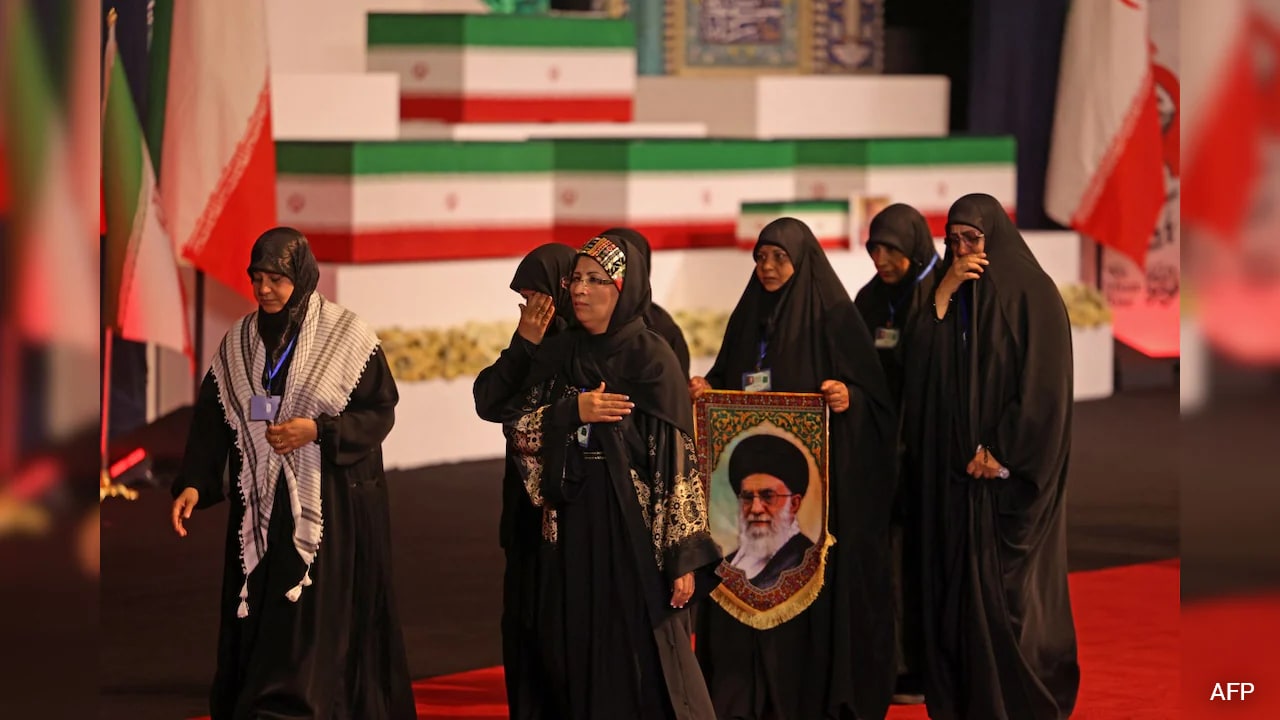
The funeral isn't a simple one-day service. It's a massive, six-day political statement designed to project strength and unity to the outside world.
- Tehran: The body lies in state at the Grand Mosalla Mosque, followed by a massive ten-kilometer procession from Imam Hossein Square to Azadi Square.
- Qom: The procession moves south to the theological heart of Iran's clerical establishment.
- Iraq: In an unprecedented move reflecting Iran's regional ambitions, the body will travel across the border to the Iraqi Shia holy cities of Karbala and Najaf.
- Mashhad: The final burial will take place at the ultra-sacred Imam Reza shrine, the Supreme Leader's birthplace.
Security Fears Keep the Successor in Hiding
While the public is being urged to flood the streets, the internal security apparatus remains terrified of another decapitation strike. This fear explains why Mojtaba Khamenei, the late leader's son and widely discussed potential successor, is reportedly skipping the public events entirely.
Mojtaba was reportedly injured in the very same February strike that killed his father, his wife, and his young daughter. The regime cannot risk putting its remaining leadership figures in an open-air procession while tensions remain incredibly fragile.
What Happens Next
If you are tracking the geopolitical fallout of this transition, watch the voter turnout and crowd sizes during the multi-city procession. The regime is openly predicting an attendance of up to 20 million people. For the interim government, these six days are less about quiet mourning and much more about proving to Western negotiators that the Islamic Republic still maintains a tight grip on domestic loyalty.