The map of the Middle East is lighting up again, and it looks completely different from previous flare-ups. Over the last 48 hours, the brief illusion of a diplomatic breakthrough shattered. We aren't looking at a minor border skirmish or proxy posturing anymore. This is a direct, heavy exchange of fire between the United States military and Iranian forces that has stretched across multiple borders and dragged several Gulf nations into the crossfire.
If you're tracking the headlines, it's easy to get lost in the sheer volume of strikes. Saturday started with an attack on a container ship. By Sunday night, US Central Command was running massive waves of airstrikes while Iranian missiles triggered sirens in kingdoms that haven't seen incoming fire in months.
To understand what's actually happening, you have to look past the political rhetoric. The conflict has evolved into a hyper-targeted war of attrition focused on one specific goal: control over global energy transit. Here is the actual breakdown of where both sides are striking, what they're trying to destroy, and why the collapse of the interim ceasefire changes everything for global security.
Inside the geography of the latest US and Iran military targets
The physical footprint of these attacks tells you everything you need to know about each side's strategy. The US is focused on dismantling Iran's maritime denial capabilities. Iran, on the other hand, is trying to prove that hosting American forces comes with an unacceptable price tag for regional neighbors.
The hits inside Iran from Bandar Abbas to Qeshm Island
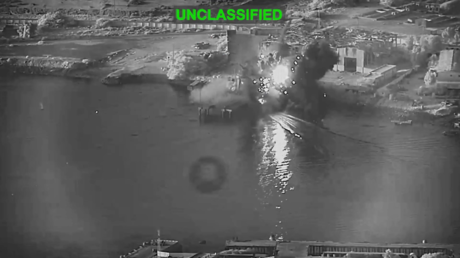
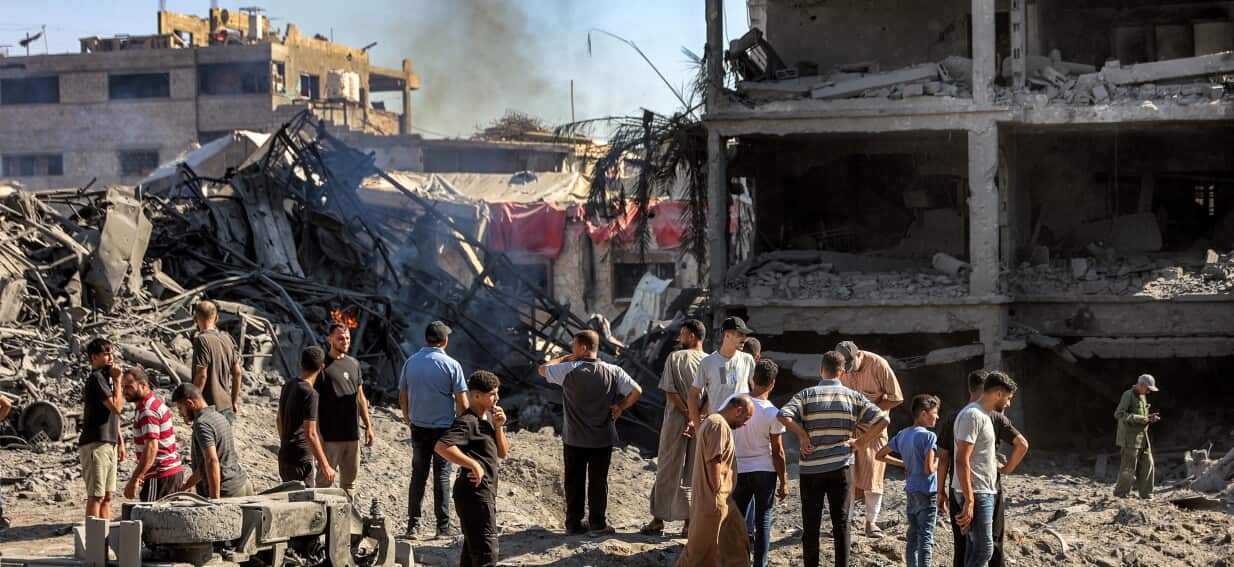
The American offensive over the weekend was heavy, methodical, and targeted infrastructure rather than just personnel. On Saturday night and deep into Sunday evening, CENTCOM executed waves of attacks hitting roughly 140 distinct targets.
- Bandar Abbas Port: This is the big one. The US military took a massive step by deploying one-way combat sea drones named Corsair for the first time in history. They sent three of these specialized drones into a submarine and ship maintenance facility inside the port. The goal wasn't just to make noise. It was a calculated move to cripple the Islamic Revolutionary Guard Corps Navy's ability to repair and launch the small, fast attack craft they use to harass commercial tankers.
- Qeshm Island: Situated right in the throat of the Strait of Hormuz, this island is a natural fortress for Iran. Loud explosions rocked the island on Monday morning as US naval assets and aircraft tore into coastal radar installations and air defense systems. If Iran can't see what's moving in the water, they can't target it effectively.
- Khuzestan and Markazi Provinces: Moving away from the immediate coastline, American missiles struck deeper infrastructure. In Mahshahr, located in the oil-rich Khuzestan province, a strike hit near a water pumping station, marking a shift toward targets that disrupt the logistics supporting Iran's southwestern military complexes.
- Sistan and Baluchestan Province: Strikes hit the southeastern coast along the Gulf of Oman, aimed at neutralizing missile storage sites and drone launch pads before they could fire out into the open ocean.
The regional retaliation against Gulf neighbors and US bases
Tehran didn't just absorb the blows. They responded with a coordinated regional salvo that intentionally widened the theater of war. The IRGC explicitly targeted nations that host American forces, warning the region that neutrality is no longer an option.
- Bahrain: Home to the US Navy’s Fifth Fleet. Missile alert sirens screamed three times on Monday morning, forcing military personnel and civilians into shelters. The IRGC claimed direct hits on American naval facilities on the island.
- Kuwait: Iranian forces targeted three border posts along the northern border, including the Abdali crossing, alongside an offshore oil platform. The Kuwaiti military confirmed its air defense systems were actively intercepting hostile fire throughout the morning.
- Jordan: The Prince Hassan airbase, a crucial hub for US military aircraft and personnel, became a primary target for Iranian drones. While Jordan’s military reported shooting down four incoming missiles with zero casualties, the intent was unmistakable.
- Qatar and the UAE: Air defenses in both countries engaged incoming drones and missiles. Qatar had avoided being targeted since April due to its role as a diplomatic mediator, but that protection vanished over the weekend.
Why the interim ceasefire imploded so fast
It's hard to believe we were in the middle of a 60-day interim peace deal. That agreement was supposed to buy time for permanent peace talks following the massive escalation in February, which began when the previous Iranian supreme leader died in US-Israeli airstrikes.
The truce was incredibly fragile from the start. The immediate catalyst for this weekend's collapse occurred when an Iranian unit fired on and disabled a Cyprus-flagged merchant container ship passing through the Strait of Hormuz. Iran immediately declared the waterway entirely closed under their new Strait Authority.
The diplomatic logic failed because both sides have fundamentally incompatible views on the waterway. Washington views the strait as international waters governed by freedom of navigation. Tehran views it as their sovereign territory. When the text of an agreement tries to paper over a contradiction that big, it doesn't take much to tear the whole thing apart. Iran’s parliament speaker made their current stance clear on social media, stating that the era of one-sided deals is officially over and that the US must keep its word or pay the price.
Trump and the Guardian of the Strait strategy
The political response from Washington has added a bizarre, transactional layer to an already volatile military situation. President Trump completely dismissed Iran's claims of closing the waterway. He stated on television that the US bombed the hell out of them and that the strait remains open because the US took it over.
The administration is introducing a radical policy shift. Trump announced on Truth Social that the United States is reinstating a complete naval blockade on Iran. He declared that the US will now be known as the Guardian of the Strait of Hormuz.
The real kicker is the financial aspect. The White House is demanding a 20% tariff or toll on all commercial cargo shipped through the strait to pay for the military costs of securing the waterway.
This moves the US military strategy from standard freedom-of-navigation policing into something resembling a global maritime protection racket. It has completely blindsided international allies. The European Union's top diplomat immediately pushed back, insisting that freedom of navigation must be respected without conditions or tolls. Iran’s leadership reacted with fury, with advisers to the regime vowing to fight to ensure they never have to pay tribute to an enemy to move their own ships.
What happens next for global oil and shipping lanes
If you think this is just a military story, look at the energy markets. Brent crude prices surged nearly 5% immediately after the weekend strikes, pushing back toward the $80-a-barrel mark.
The real damage isn't just from physical strikes on oil wells. It’s the invisible freeze happening in commercial shipping. Data from maritime tracking firms shows that tanker traffic through the Strait of Hormuz has plummeted to a two-month low.
Ships are actively turning off their public AIS tracking transponders to avoid becoming targets for Iranian shore-to-ship missiles. This makes navigating one of the world's most crowded choke points incredibly dangerous. Shipbrokers are already warning that if this escalation turns into a prolonged blockade or a permanent shooting war, the global economy is going to face massive inflationary shocks right before the US congressional elections.
Immediate steps for risk management
If you run operations, logistics, or investments tied to global energy or maritime supply chains, stop waiting for diplomacy to fix this. The interim deal is dead.
First, re-route any non-essential maritime transit away from the Persian Gulf if possible. Relying on transponders-off navigation through the strait is a massive insurance liability that can halt your operations instantly.
Second, brace for extended volatility in energy markets. Secure fuel and shipping contracts now before the full weight of a US naval blockade and potential secondary sanctions hit the broader market. The tactical reality on the ground shows that neither Washington nor Tehran is backed into a corner yet, meaning the targeting list is only going to grow longer from here.