You notice them in the bathroom mirror under that unforgiving overhead lighting. Those tiny, dark dots peppered across your nose and chin. Your immediate instinct is probably to squeeze them until your skin turns bright red, or slap on a sticky pore strip and rip it off like a band-aid.
Stop doing that. You're actually making the problem worse.
Most advice online tells you to scrub your face into submission or buy expensive suction vacuums to yank the gunk out. But treating these stubborn spots requires strategy, not brute force. If you understand how they form, learning how to remove blackheads at home becomes a straightforward process that won't ruin your skin barrier.
The Oxidation Secret
Before buying another product, you need to understand what you're actually looking at. A blackhead isn't dirt trapped in your skin. It's a clog of dead skin cells and sebum—your skin's natural oil—that has nestled inside a pore opening.
When this mixture reaches the surface of your skin, it reacts with the oxygen in the air. That process is called oxidation. It turns the trapped oil dark brown or black, exactly like an apple turning brown after you cut it.
Squeezing them with your fingernails introduces bacteria, stretches your pore walls, and can leave permanent scars. The goal shouldn't be to violently yank the plug out. The goal is to dissolve it gently.
Switch to Salicylic Acid
If you're washing your face with a standard foaming cleanser and hoping for a miracle, you'll be waiting forever. You need a targeted beta hydroxy acid, specifically salicylic acid.
Unlike alpha hydroxy acids which only sit on the surface, salicylic acid is oil-soluble. This means it can actually pass through the oil in your pores to break up the deep debris.
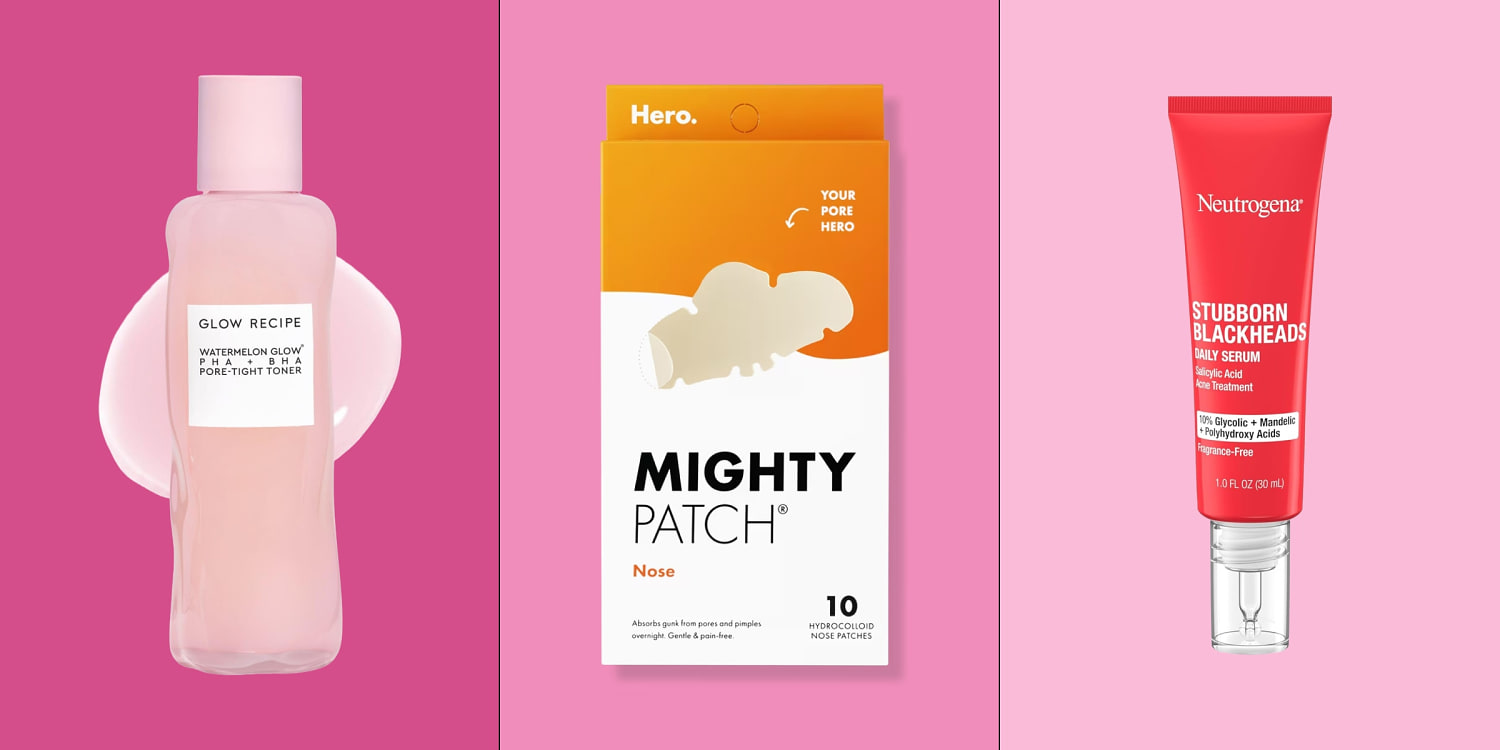
- How to start: Skip the physical scrubs with rough microbeads or walnut shells. They create micro-tears in your skin. Instead, pick up a liquid leave-on exfoliant containing 2% salicylic acid.
- The timeline: Apply it three nights a week after cleansing. Don't layer it with three other serums. Give it time to work. You'll see a noticeable reduction in pore congestion within a few weeks.
The Retinoid Foundation
If salicylic acid clears the current traffic jam in your pores, retinoids make sure the traffic keeps moving in the future. Topical retinoids, like over-the-counter adapalene gel, speed up your cellular turnover. They prompt your skin to shed dead cells efficiently rather than letting them pile up inside your pores.
Many people quit using retinoids because their skin flakes during the first two weeks. That's a mistake. Push through the adjustment period by applying a pea-sized amount over a quality moisturizer at night. This buffering technique keeps your skin hydrated while the active ingredient does its job underneath.
The Truth About Pore Strips and Vacuums
Pore strips are incredibly satisfying. There's no denying the weird joy of looking at a piece of adhesive covered in tiny plugs. But they are a temporary illusion.
Strips only rip away the top layer of the blackhead, leaving the root of the clog completely intact. Even worse, the strong adhesive can tear the delicate surface of your skin and burst tiny capillaries on the sides of your nose.
Pore vacuums pose a similar risk. The suction power needed to pull a hardened sebum plug out of a tight pore is often strong enough to cause bruising and long-term loss of skin elasticity. Save your money and stick to chemical dissolution.
Your Immediate Next Steps
Getting rid of blackheads doesn't require a ten-step routine or professional tools. You can start changing your skin tonight with three deliberate adjustments.
- Ditch the physical face scrubs. Throw away the gritty washes that leave your face feeling tight and stripped.
- Introduce a 2% BHA liquid. Apply it to clean, dry skin on the specific areas where you get congested.
- Lock in hydration. When your skin gets dehydrated, it triggers a reflex to produce even more oil, creating a vicious cycle of new clogs. Use a lightweight, non-comedogenic moisturizer every single night.