Don't believe the optimistic talking points coming out of Washington. The diplomatic framework that was supposed to bring peace to the Middle East is already splintering. Just days after a highly publicized memorandum of understanding aimed to pause months of brutal conflict, reality caught up with the rhetoric. The U.S. military launched heavy retaliatory airstrikes against Iranian targets following a chaotic series of drone attacks in the Strait of Hormuz, completely upending the fragile truce.
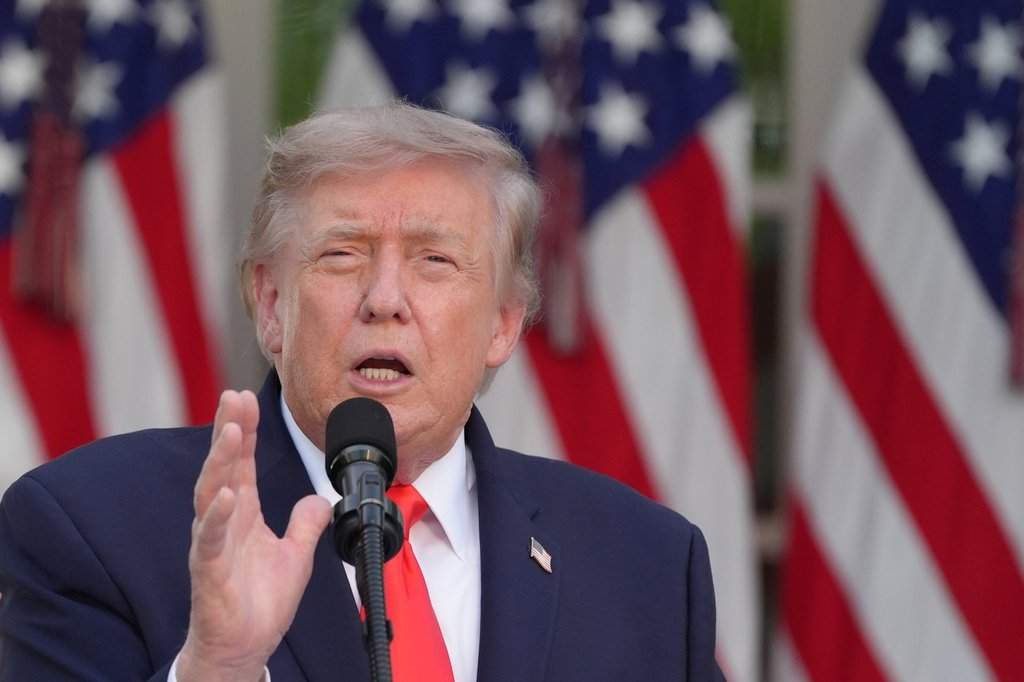
The trouble boiled over when Donald Trump took to Truth Social to slam Tehran. He accused the Islamic Republic of a foolish violation of ceasefire terms after an attack on commercial shipping channels. While political commentators scrambled to parse his social media posts, American fighter jets were already in the air.
This isn't a minor speed bump. It's a fundamental breakdown of a deeply flawed diplomatic experiment. If you think a simple signature on a piece of paper can secure the world's most critical energy choke point, you're missing the bigger picture.
The Flawed Logic of the Interim Agreement
The initial diplomatic breakthrough was hailed as a massive victory by administration officials. The framework set up a 60-day window for intensive negotiations to end the hostilities that began earlier this year. Under the deal, the U.S. and its partners promised to pause offensive operations across multiple fronts. In exchange, the world expected a dramatic cooling of tensions in the Persian Gulf.
But the deal contained a massive, gaping hole. It lacked concrete, explicit agreements on who actually controls navigation through the Strait of Hormuz.
Tehran views the waterway as sovereign territory. Washington insists on unhindered international access. You can't paste over a disagreement that fundamental with vague diplomatic phrasing. The ink wasn't even dry before both sides began interpreting the memorandum in completely incompatible ways. Iranian officials immediately asserted their right to levy tolls and dictate shipping lanes, a stance that the U.S. and its Gulf allies rejected out of hand.
Chaos in the Strait of Hormuz
The theoretical dispute turned violent on Thursday. A Singapore-flagged cargo ship named the Ever Lovely was steaming near the coast of Oman when a drone struck its upper deck. The blast damaged the ship's bridge, sending shockwaves through the global maritime community.
According to military reports, Iranian forces deployed four separate one-way attack drones targeting commercial vessels exiting the strait. American defensive systems managed to down three of the incoming threats. The fourth drone hit the Ever Lovely on its starboard side. Thankfully, the ship avoided catastrophic failure and managed to continue moving under its own power without any reported casualties.
Trump used the incident to project an image of unyielding strength. He asserted that U.S. forces had knocked the hell out of the attackers, arguing that the nation was negotiating from a position of pure power. Yet, the fact that an aggressive strike happened at all proves that deterrence failed.
American Jets Strike Back
The White House didn't stop at social media condemnation. Hours after the drone debris settled, the Pentagon ordered a swift military response.
American aircraft pounded multiple military sites along the Iranian coastline and deep inside Qeshm Island. The target selection sent a clear message to the Islamic Revolutionary Guard Corps. The U.S. hit drone launching sites, radar installations, and command hubs directly linked to the maritime harassment campaign.
A senior defense official confirmed that the retaliatory operation concluded after striking several high-value military assets. The administration wants the public to view these actions as a controlled, defensive response designed to enforce compliance. In reality, launching bombs onto sovereign Iranian territory is an escalation that makes a mockery of any formal ceasefire.
The Cascading Global Fallout
The military exchange triggered immediate panic across the region and international markets. The economic and human cost of this breakdown is rising fast.
Trapped Sailors and Halting Shipping
The United Nations International Maritime Organization had just launched a complex logistical program to help evacuate hundreds of ships and thousands of sailors trapped by the broader conflict. Following the drone strike on the Ever Lovely, the agency immediately suspended the evacuation effort. Over 600 commercial vessels remain immobilized in the volatile waters of the Gulf, leaving roughly 11,000 mariners stranded in a de facto combat zone.
Market Whiplash
Energy traders are experiencing severe whiplash. Oil prices initially dipped by roughly 3% as traders tried to price in the possibility of a diplomatic resolution. That optimism evaporated the moment the retaliatory strikes hit the news wires. The Strait of Hormuz handles roughly a fifth of the global supply of petroleum and liquefied natural gas. Any prolonged disruption to this specific corridor directly threatens global energy security, guaranteeing wild price swings in the coming weeks.
Regional Panic and False Alarms
The extreme tension on the ground manifested as a terrifying false alarm in the United Arab Emirates. On Friday afternoon, a technical glitch inside the UAE Interior Ministry triggered an emergency missile alert across the city-state of Dubai.
Mobile phones blared with loud sirens, instructing citizens to seek immediate shelter. It was the first such alert sent since the interim ceasefire began, sparking immense fear among residents who assumed Iranian missiles were raining down. While officials quickly clarified it was an error, the incident highlights just how jittery regional defense networks have become.
Moving Past Vague Diplomatic Promises
We need to look at what happens next rather than relying on empty political promises. The current strategy of signing broad frameworks while ignoring granular territorial disputes is actively failing. To prevent a total regional meltdown, shipping companies, defense analysts, and policymakers need to adjust to a highly unstable environment.
First, commercial maritime operations must prepare for persistent gray-zone warfare. Ship owners can't assume that a diplomatic announcement guarantees safe passage. Vessel tracking data shows that ships utilizing unapproved or ambiguous parallel routes are facing heightened scrutiny and harassment from coastal forces. Companies must coordinate directly with international naval coalitions and strictly monitor real-time updates from maritime trade organizations before attempting transits.
Second, the 60-day negotiation window established by the administration is effectively dead in its original form. You can't conduct effective diplomacy while trading drone strikes and airstrikes. Regional players like the UAE and Oman are scrambling to open direct telephone channels between opposing foreign ministers to de-escalate the immediate naval standoff. Watch these bilateral state-to-state communications rather than the grand pronouncements from Washington or Tehran to gauge whether the conflict will spiral out of control.
Ultimately, the events of the last 48 hours show that the Middle East conflict won't end with a generic pact. True stability requires a hard, unambiguous agreement on international shipping rights, and neither side seems anywhere near ready to yield that ground. Expect more disruption, more volatility, and a very long road ahead for global trade.