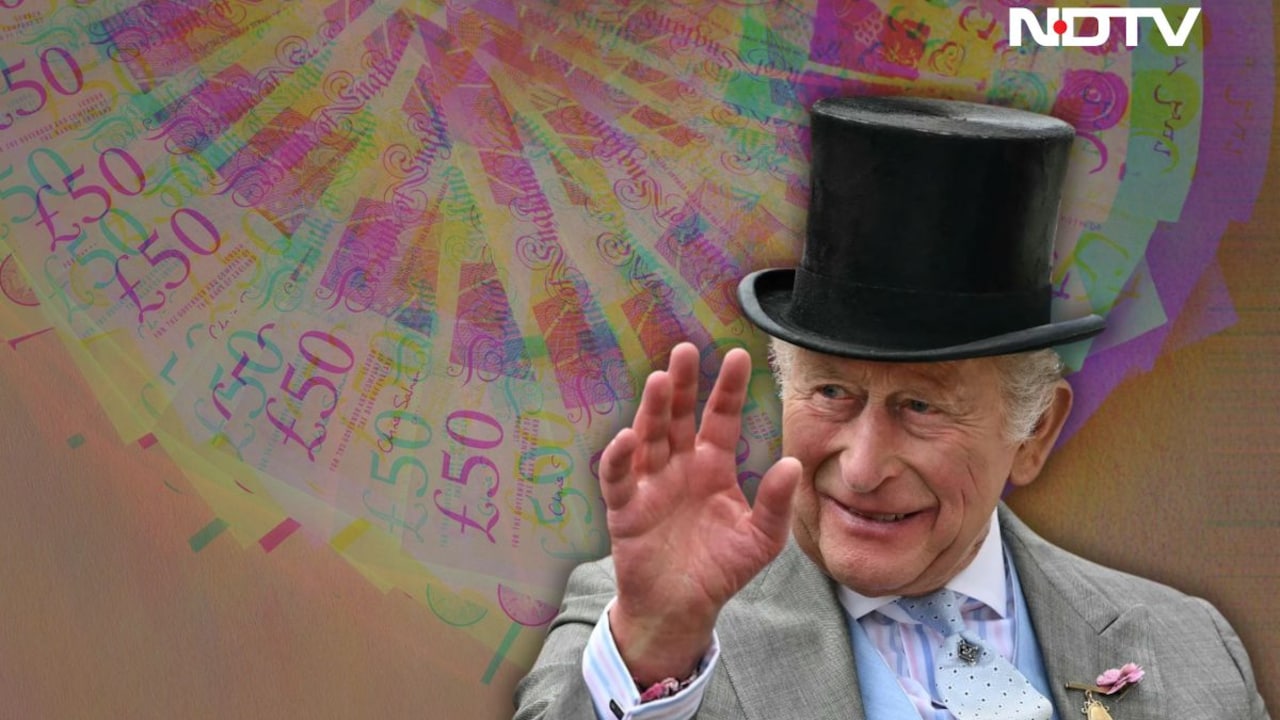
Buckingham Palace just did something entirely unprecedented. They lifted the curtain on King Charles’s private financial ledger, revealing a total tax bill of over 30 million pounds, roughly 40 million dollars, since he took the throne. Headlines are spinning this as a historic victory for financial transparency. Commentators are praising the monarch for acting like a regular citizen.
They are missing the real story.
When you look at the actual numbers, this disclosure raises far more questions than it answers. The British monarch is legally exempt from paying taxes. Every single penny King Charles hands over to His Majesty’s Revenue and Customs is completely voluntary. While the palace wants you to see a benevolent leader paying his fair share, the reality is a masterclass in royal public relations designed to protect a highly vulnerable institution.
The Breakdown Of The Forty Million Dollar Tax Bill
Let's look at what the palace actually disclosed in the royal household report. For the 2024-2025 financial year, King Charles paid 12.9 million pounds in personal income and capital gains taxes. The year before that, his bill came out to 11.7 million pounds. Combine those two years with the partial period right after his accession in 2022, and the grand total pushes past the 30 million pound mark.
[Image of Buckingham Palace]
On paper, that places King Charles among the top 100 taxpayers in the United Kingdom. His son, Prince William, also joined the financial disclosure club by revealing a 7.76 million pound tax bill from his own Duchy of Cornwall earnings.
But here is the catch. The palace flatly refused to disclose the total income behind those tax bills. We know the King received 25.2 million pounds from the Duchy of Lancaster estate this past year, which was up from 24.4 million pounds the prior year. What we don't know is how much he pulled in from his private investment portfolio, his sprawling personal properties like Sandringham and Balmoral, or his vast collection of rare assets.
Without knowing the gross income, calculating his effective tax rate is impossible. Is he paying the top 45 percent income tax rate like a wealthy British citizen? Or are massive deductions wiping out most of his liability? The public is left entirely in the dark.
Why The Royal Family Broke Centuries Of Financial Privacy
Monarchs collect taxes; they don't usually pay them. So why change the rules now?
The timing isn't an accident. The royal family has endured a brutal stretch of terrible publicity. Demands for transparency reached a fever pitch following financial scandals involving the King’s brother, Andrew Mountbatten-Windsor. At the same time, the British public has been enduring a grinding cost of living crisis. Watching a billionaire family live in tax-exempt luxury while regular people struggle to pay rent is a recipe for republican sentiment.
King Charles knows the monarchy must adapt to survive. By volunteering his tax numbers, he attempts to disarm critics who argue the family is a drain on public funds. It's a calculated shield.
What Is Still Shrouded In Deep Royal Secrecy
If you think this announcement means the palace is fully open, you're mistaken. The tax disclosure is a tiny sliver of light in a massive financial fog.
Consider the official expenses deduction. Under the current memorandum on royal taxation, any money the King spends in the course of his official duties is completely tax-exempt. The King can deduct millions of pounds from his taxable income for staff, travel, and entertaining, and he doesn't have to show his receipts to the public.
Then there is the issue of private wealth. Estimates put King Charles’s personal net worth somewhere around 1.8 billion pounds, including fine art, racehorses, and jewels. The palace regularly calls these estimates speculative but refuses to provide the real figures.
The transparency gap goes even deeper:
- The incomes paid to minor royals from Charles’s private wealth remain completely hidden.
- Million-pound gifts received by the family over decades are blurred between official state property and private holdings.
- Royal wills have been strictly sealed from the public since 1911, a privilege extended to no other British family.
Stop Looking At The Tax Bill And Look At The Sovereign Grant
Focusing solely on the 40 million dollar tax bill ignores the massive influx of cash moving in the opposite direction. The taxpayer-funded Sovereign Grant, which pays for the official upkeep of the monarchy, is swelling to 137.9 million pounds for the coming year.
A lot of that money is currently being swallowed by a 369 million pound renovation of Buckingham Palace. Ironically, reports simultaneously revealed that the King and Queen won't even live in the palace after the taxpayer-funded refit is complete.
When anti-monarchy groups look at these figures, they don't see a major taxpayer. They see a system where the public funds the infrastructure of the institution while the monarch keeps the profits of massive land estates private.
Next Steps For Tracking Royal Accountability
Don't take the headline numbers at face value. If you want to evaluate how transparent the monarchy truly is, you need to watch specific indicators over the next twelve months.
First, keep an eye out for the next annual royal household financial report. See if the palace responds to public pressure by revealing the gross income numbers behind the tax figures. Second, track the ongoing debate surrounding the Sovereign Grant formula, which is tied to Crown Estate profits and heavily impacts the British treasury.
True transparency isn't just about showing a final number on a tax bill. It requires showing the math that got you there. Until the palace releases the full breakdown of royal assets and deductions, this historic disclosure remains an incredibly clever public relations campaign.