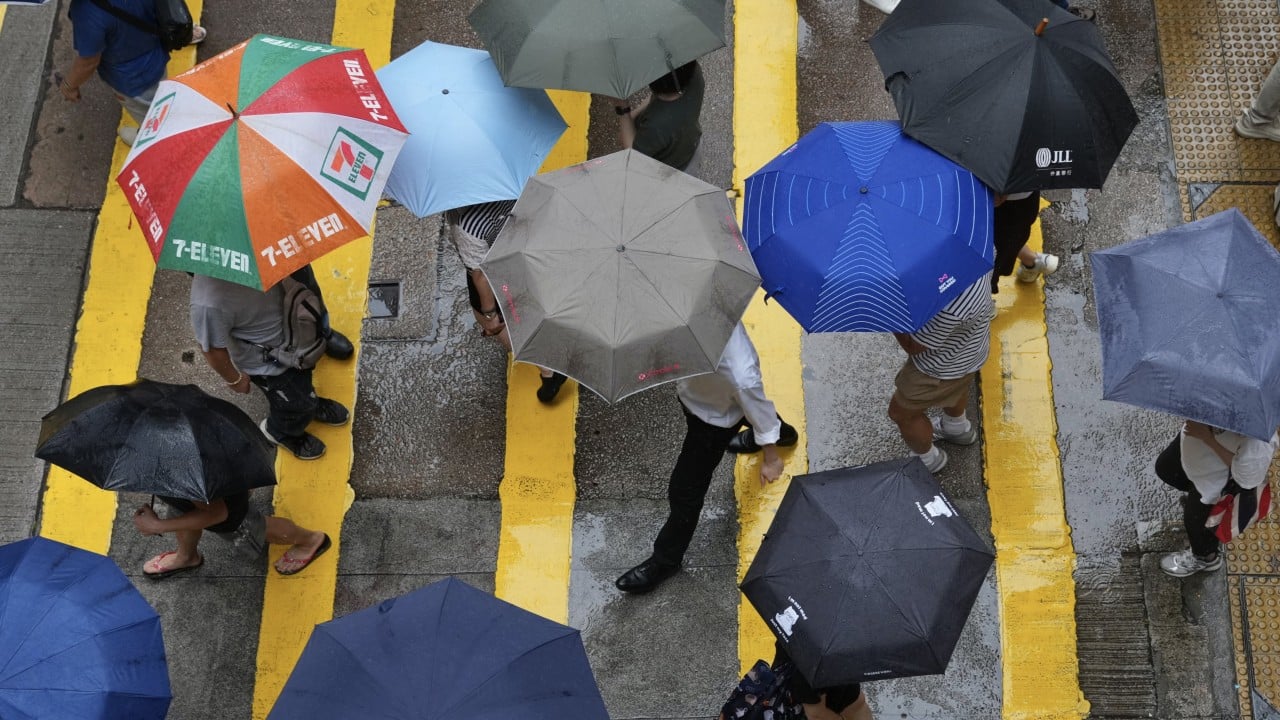
You hear the familiar alert tone on your phone, glance down, and see that the Hong Kong Observatory just issued an Amber rainstorm signal. If you're like most people living in the city, you probably shrug, grab a cheap convenience store umbrella, and head out the door anyway.
That's a mistake. If you enjoyed this piece, you might want to look at: this related article.
We treats the Amber alert like it's just a bit of annoying drizzle, a minor inconvenience before the real drama of a Red or Black signal hits. But treating the lowest tier of our three-level rainstorm system as a non-event misunderstands how quickly Hong Kong's microclimates can turn dangerous. When the Observatory warns the city to brace for rain, they aren't telling you to expect a wet commute. They're telling you the fuse is lit.
The Math Behind the Monsoon
Let's clear up the official threshold. The Hong Kong Observatory pushes the Amber button when heavy rain has fallen or is expected to fall generally across the territory, exceeding 30 millimeters in a single hour, and is likely to continue. For another perspective on this development, refer to the latest update from USA Today.
Thirty millimeters doesn't sound like a terrifying number until you look at the topography. Hong Kong is basically a collection of sheer granite hills dropping directly into densely populated urban concrete basins. When 30mm of water falls on top of Victoria Peak or the hills of New Territories in 60 minutes, it doesn't just sit there. It cascades down.
This is why flash flooding can rip through low-lying areas in Sheung Wan, Happy Valley, or rural parts of Yuen Long long before the Observatory upgrades the warning to Red. The system isn't designed to tell you when it's safe to walk outside; it's designed to warn you that the drainage infrastructure is about to be pushed to its absolute limit.
Why the Amber Signal Is Sneakier Than a Typhoon
With a tropical cyclone, you get days of warning. You see the path tracking across the South China Sea, watch the T1 switch to a T3, and have plenty of time to tape your windows and stock up on instant noodles.
Rainstorms don't play by those rules. A trough of low pressure lingering along the Guangdong coast can sit quietly for hours, then suddenly fire off a succession of intense, localized thunderstorms.
The Observatory aims to give the public a couple of hours of lead time before the heaviest downpours strike. But let's be real about the science. Summer rainstorms develop with terrifying speed. Sometimes that lead time shrinks to minutes. If a thundery shower stalls over Kowloon instead of moving through, you can experience localized Black-level flooding while the official city-wide signal remains firmly at Amber.
Real Survival Steps for the Next Downpour
When the Amber signal goes live, your routine needs to change immediately. Forget about waiting for school cancellations or office closures; those don't kick in until the Red signal drops. You have to take ownership of your own safety.
- Check the radar, not just the color: Open the MyObservatory app and look at the actual rain radar. If you see a dark purple or red blob sitting directly over your district, ignore the fact that the official warning is "only" Amber. You're in a high-risk zone.
- Stay away from the catchments: Hong Kong's network of concrete drainage channels and catchwaters are engineering marvels, but they turn into raging rivers in seconds. Keep your distance from mountain watercourses and storm drains.
- Rethink your commute: If your route home involves low-lying underpasses or roads prone to waterlogging, find an alternative or wait it out in a safe indoor location. Getting stuck in a flooded taxi in the middle of a major thoroughfare is a nightmare you want to avoid.
The rainstorm warning system is a tool, but it only works if you understand how to read between the lines. Don't wait for the city to turn red or black to start taking the weather seriously. When the Amber signal drops, the clock is already ticking. Get inside, stay updated, and don't let a color code trick you into letting your guard down.