When the ground ripped open under Venezuela on June 24, 2026, the local political theater instantly evaporated. Two back-to-back earthquakes measuring 7.3 and 7.4 magnitude hit Maracay, La Guaira, and Caracas just 39 seconds apart. In less than a minute, thousands of homes flattened into concrete dust, trapping families under tons of rubble. The official death toll has climbed past 4,400 people, with tens of thousands still missing or living in improvised street camps.
Yet, if you look at the international news cycle, the focus quickly shifts right back to politics. Pundits analyze what this means for acting President Delcy Rodriguez, how opposition figure Maria Corina Machado is responding, or the geopolitical chess match between US and Russian aid deliveries.
When you are actually standing on the cracked pavement of La Guaira, nobody cares about political ideologies.
People are starving. They are grieving. They need clean water and a warm meal right now. The real story of the disaster relief efforts on the ground isn't about state power. It is about human survival.
The Brutal Reality on the Ground in La Guaira
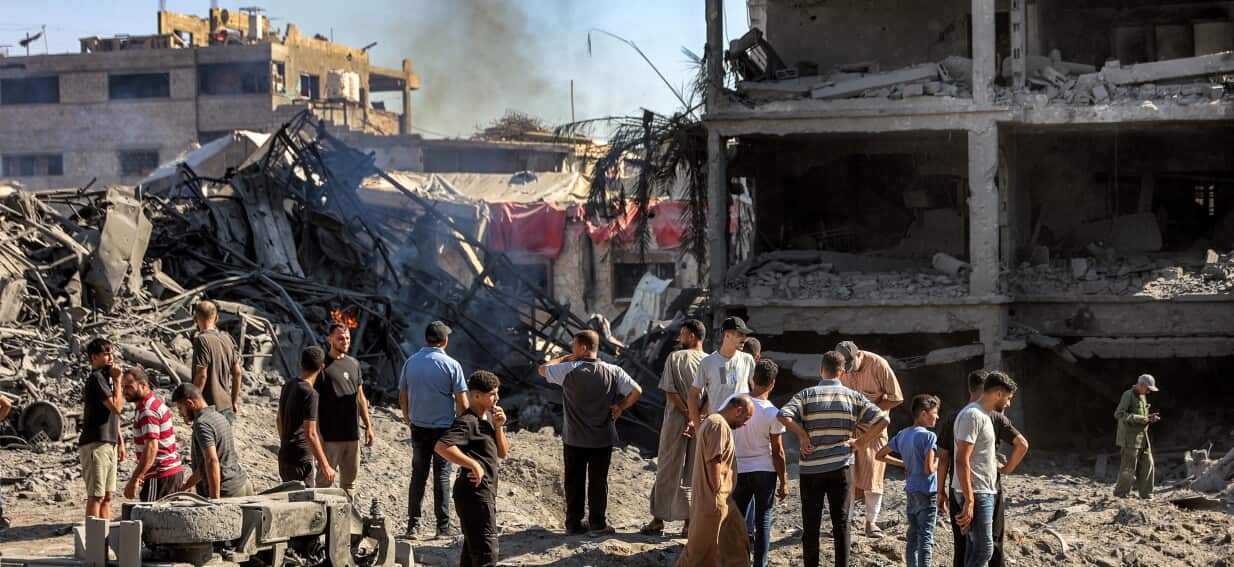
The physical destruction is massive. Entire neighborhoods in La Guaira state, just north of Caracas, simply don't exist anymore. The UN estimates that up to 50,000 people remain unaccounted for under the debris. Walk through any public park or parking lot in Caracas right now and you will find thousands of families sleeping on thin mats under plastic tarps. Over 19,500 people are officially living in these temporary displacement camps.
Local infrastructure was already under extreme stress before the tremors hit. Now, hospitals are running on sheer grit. Medical staff are forced to shorten dialysis sessions just to stretch their limited power and water supplies for more patients. Technicians work through the night to patch up broken heart monitors and anesthesia machines using spare parts from discarded equipment.
The immediate challenge for relief workers isn't navigating bureaucratic red tape. It is finding a way to safely distribute food and medical supplies to communities where roads have collapsed and aftershocks keep rattling the remaining structures.
Moving Past the Geopolitical Noise
International aid has started pouring in, but the distribution remains messy. The United States and Russia have both sent supply planes, creating a bizarre contrast on the airport tarmac. Critics have slammed the local government for a slow, disorganized response, while opposition groups have launched online databases to track the missing.
None of that matters when you are running a relief kitchen.
Look at grassroots efforts like the Help & Hope Cafe, an initiative that transformed a local Caracas restaurant into a massive emergency kitchen. Teams of volunteers work around the clock to cook, pack, and distribute more than 2,400 hot meals every single day to survivors sleeping in the streets.
When a mother walks up to get a warm bowl of soup for her children, she doesn't ask who funded the gas burners. She doesn't care which political faction the volunteers support. Hunger doesn't have a political party.
Common Mistakes in Disaster Response
Well-meaning people often make critical errors when trying to help from afar. The biggest mistake is sending random physical goods. Shipping containers filled with miscellaneous clothing or unvetted medical supplies often sit at ports for weeks, clogging up distribution lines and wasting precious logistics space.
What works on the ground is cash economy support and direct procurement. Buying food and clean water locally or from nearby stable regions keeps the supply chain moving fast. It also supports the local merchants who are trying to keep their businesses alive amidst the chaos.
Another issue is the short attention span of global media. Right now, the crisis is making headlines. But in a few weeks, the news cameras will pack up and leave. The reconstruction of these communities will take years, not weeks. The real crisis starts when the initial wave of global sympathy dries up.
Practical Steps to Provide Real Help
If you want to make an actual impact for the survivors of the Venezuelan earthquakes, stop arguing about the politics of the region on social media. Focus on direct, actionable relief.
- Support established kitchen networks: Organizations like Operation Blessing and local church groups are already on the ground with active kitchens. They know how to source ingredients locally and deliver them straight to the displacement camps.
- Fund medical supply chains: Medical relief groups need direct funding to purchase specific surgical gear, pacemakers, and basic antibiotics that can be flown in through authorized humanitarian corridors.
- Commit to long term aid: Set up recurring support for local reconstruction funds rather than a one-time donation. The displaced families will still need housing months from now when the news cycle has moved on to something else.
The tragedy in Venezuela is a stark reminder that disaster relief requires practical logistics, not political commentary. The people digging through the rubble in La Esperanza cemetery just want to find their loved ones and give them a dignified burial. They deserve a global response that matches their dignity.