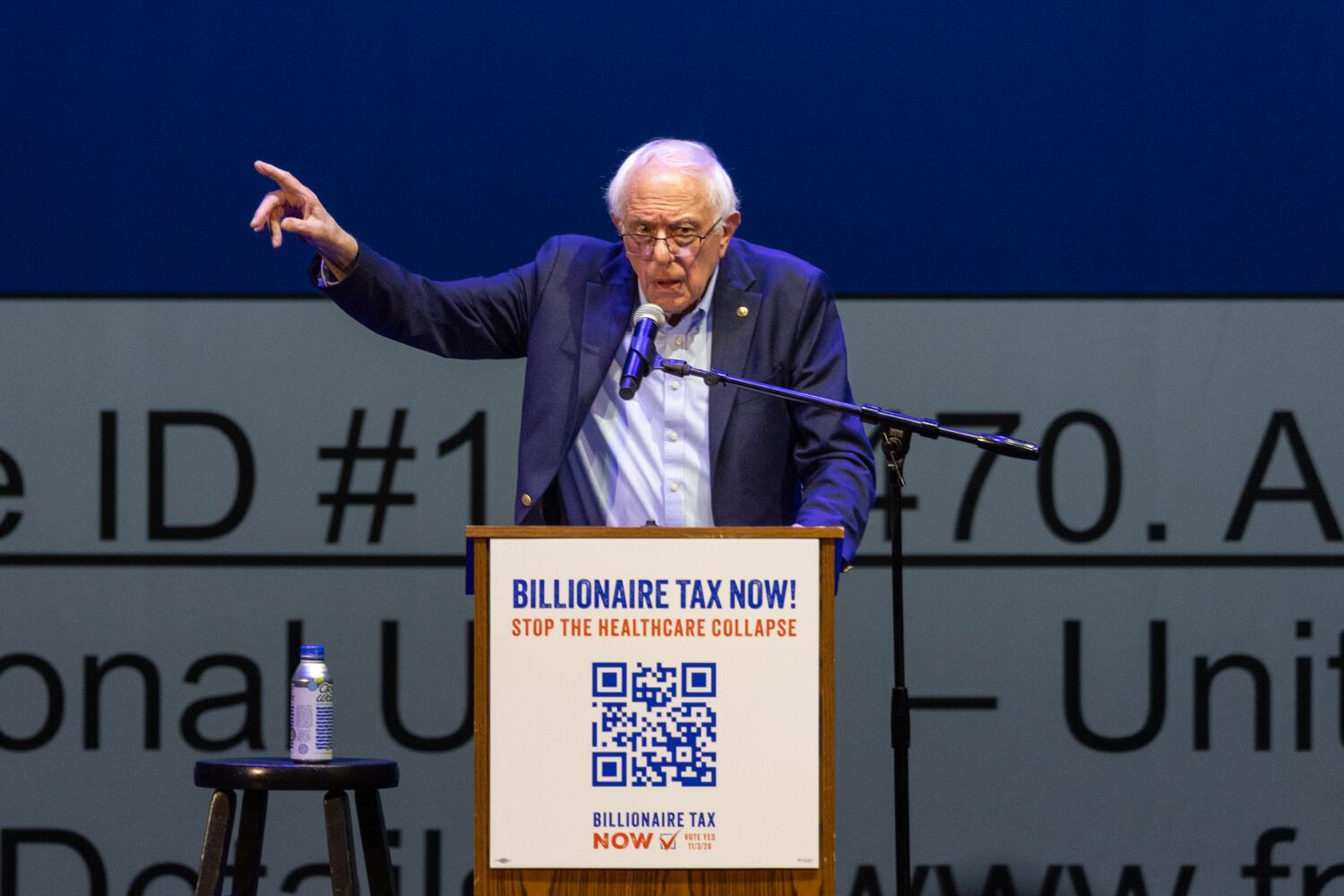
Taxing the ultra-wealthy sounds like the ultimate progressive slam dunk. In a state like California, where the wealth gap can feel like a canyon, you would think a proposal to squeeze the richest residents would pass without a peep from Democrats.
It did not work out that way.
Proposition 40 is officially locked onto the November 2026 ballot, and it has triggered an absolute civil war among the left. The initiative wants to slap a one-time, 5% wealth tax on Californians worth more than $1 billion. It is designed to target roughly 200 people. The goal is to raise a staggering $100 billion over five years to rescue the state healthcare system from federal funding cuts.
Instead of uniting the left, Proposition 40 has broken the progressive coalition apart.
The Civil War Over Prop 40
If you watch national news, you might think the fight over Proposition 40 is a simple story of greedy billionaires versus progressive heroes. That is the easy narrative. The truth is much messier.
Governor Gavin Newsom came out swinging against it early on. He did not just express doubt. He actively tried to keep it off the ballot. When the union behind the measure offered a last-minute compromise to slash the tax rate down to 2% if the governor got on board, Newsom's office flatly refused. His team declared the policy fundamentally flawed and warned it would end up harming working families.
Even the broader labor community is fractured. You have massive organizations like the Teamsters and AFSCME California backing the measure. Then you look at SEIU California, the massive statewide umbrella organization, and they chose to stay neutral. Why would a labor powerhouse sit out a fight to tax billionaires?
Because the money is not going into the general pot.
The initiative was dreamed up and funded by a single local affiliate, SEIU-United Healthcare Workers West. Led by Dave Regan, this specific union has a reputation for using aggressive ballot measures to get what it wants. Other labor groups are quietly resentful. They see a measure that locks up 90% of the newly generated revenue for healthcare programs that directly benefit one union's membership, leaving just 10% for education and food assistance. For teachers, school boards, and general public employees, that feels like a raw deal.
How a Healthcare Crisis Ignited a Labor Rift
To understand why this fight is happening right now, you have to look at what happened in Washington last year. President Donald Trump signed a massive tax and spending overhaul that slashed federal allocations for Medicaid. In California, that created an immediate, terrifying hole in the Medi-Cal system.
Hospitals are facing real financial strain. Low-income patients risk losing access to basic care. Dave Regan and his supporters argue that Proposition 40 is the only viable emergency life raft on the table. They view it as a direct antidote to federal policy.
Their argument is simple. Someone has to pay to keep emergency rooms open, and it shouldn't be working-class families.
But the pushback from within the Democratic family isn't just about jealousy over where the money goes. It is about a deep fear of institutional damage. Groups like the California Medical Association and the California School Boards Association have teamed up to urge voters to reject the measure. They argue that bypassing the traditional legislative budget process to wall off $100 billion for a specific fund hamstrings the state's ability to manage its own finances.
Why Tech Moguls Are Dropping Nine Figures to Fight Back
The billionaires themselves are not sitting idly by while the state debates taking 5% of their net worth. They are spending historic amounts of cash to kill the measure.
Google co-founder Sergey Brin poured $82 million into a political committee named Building a Better California. That is just one man's contribution. The committee has pulled in over $118 million from fewer than a dozen ultra-wealthy donors.
They are not just buying TV commercials. They are playing chess.
Opponents successfully placed two counter-measures on the same November ballot. One of them, the Retirement and Personal Savings Protection Act, would explicitly ban the state from enacting new taxes on personal property and wealth. If both measures pass, the retirement act could completely neutralize the billionaire tax.
This multi-front war means voters will be staring at a confusing web of propositions when they enter the voting booth. The spending will easily break records, flooding the airwaves with conflicting messages.
The Economic Risk Everyone Is Whispering About
Let's talk about the actual mechanics of the tax because this is where things get incredibly dicey. California's existing tax system relies heavily on income. The top 1% of earners pay for nearly half of the state's personal income tax revenue.
Proposition 40 shifts the game entirely by taxing accumulated net worth, not income.
The state would have to figure out how to value things like private corporate shares, art collections, intellectual property, and venture funds for 200 of the wealthiest, most legally protected people on earth. The Franchise Tax Board would have to establish a massive asset appraisal operation from scratch.
Then there is the issue of retroactivity. The tax applies to anyone who was a California resident as of January 1, 2026. Even if a tech titan packed up and moved to Texas or Florida in March, the state intends to collect.
Legal experts say this invites immediate, historic constitutional challenges. If the measure passes, the $100 billion won't materialize overnight. It will be tied up in courtrooms for years.
The nonpartisan Legislative Analyst's Office gave a warning that should make every Californian nervous. While the tax would bring in a huge mountain of cash in the first few years, it could cause overall income tax revenues to drop by hundreds of millions of dollars every year after that. Wealthy people have options. They can leave. If even a handful of the state's biggest taxpayers permanently exit, the long-term hole in the general fund could dwarf the short-term cash injection.
Next Steps for California Voters
The deadline to withdraw the initiative has passed. There is no backroom deal coming to save the Democratic party from this public fight. Prop 40 is on the ballot, and you need to know how to navigate the noise over the next few months.
First, look past the glossy mailers. When you see an ad attacking or praising the measure, check the funding disclosures at the bottom. Understand whether you are listening to a campaign funded by SEIU-UHW or a committee funded by Silicon Valley executives.
Second, read the fine print on the competing propositions. You cannot look at Prop 40 in a vacuum. You have to evaluate it alongside the Retirement and Personal Savings Protection Act. If you vote yes on both, you might end up voting for a legal contradiction that guarantees years of expensive taxpayer-funded litigation.
Third, consider the structural precedent. Deciding complex tax structures through blunt ballot measures bypasses the lawmakers we elect to balance the state's competing needs. Weigh the immediate crisis in healthcare funding against the long-term risk to California's broader financial stability. The choice isn't as simple as rich versus poor, and treating it that way is exactly how the left ended up so deeply divided.

:max_bytes(150000):strip_icc()/umiz003-58b8df575f9b58af5c90102d.jpg)