Pakistan finds itself trapped in a self-made geopolitical corner. For decades, the military establishment in Rawalpindi relied on a predictable strategy whenever internal tensions flared. They turned outward, using external proxies or border friction to pull domestic focus away from home-grown trouble.
That old approach isn't working anymore. Don't forget to check out our earlier article on this related article.
Right now, Islamabad faces pressure on three distinct fronts at once. Civilians in Pakistan-occupied Kashmir (PoK) are taking to the streets in unprecedented numbers. On the western frontier, former allies in Kabul aren't cooperating. Meanwhile, domestic economic pressure keeps mounting. Trying to run the same strategic plays from ten or twenty years ago won't fix these structural flaws.
The Triple Crisis Facing Rawalpindi
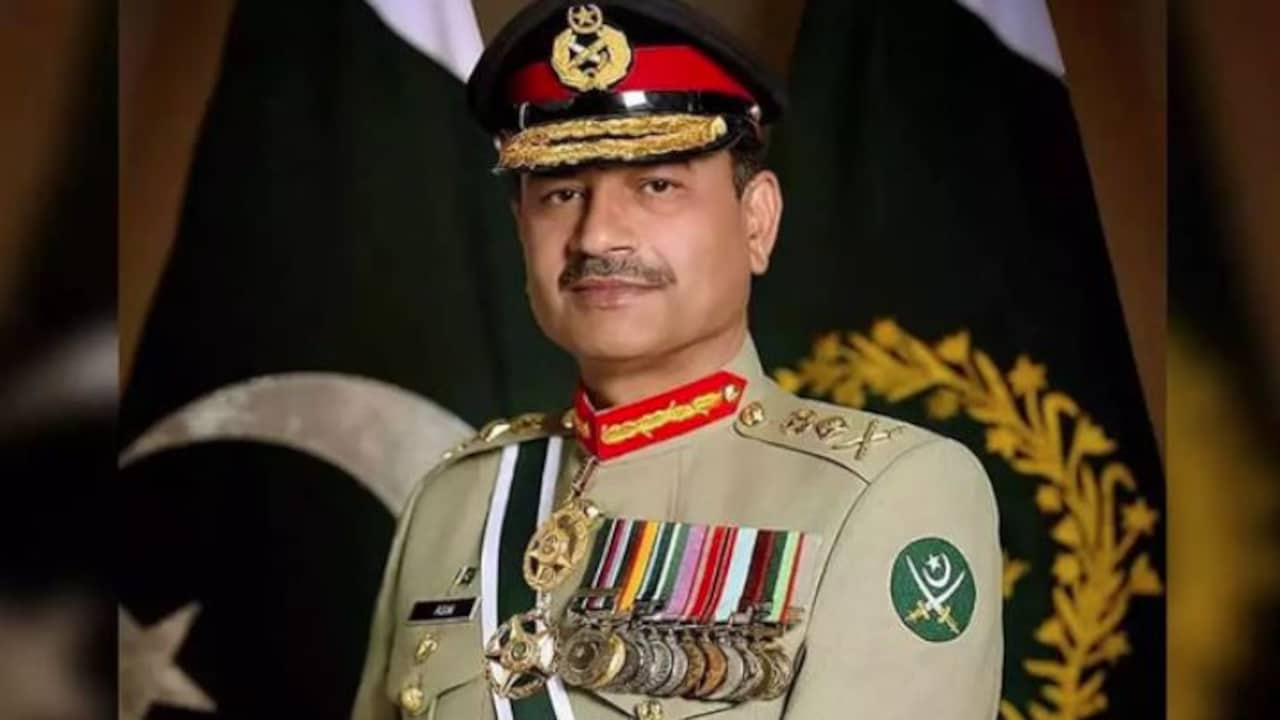
When you look at Pakistan's current security environment, the overlap of crises is staggering. The military leadership under General Asim Munir faces a population that has lost patience with traditional narratives. If you want more about the history of this, USA.gov offers an excellent breakdown.
First, the economic situation has battered average households. Inflation, rising electricity tariffs, and subsidy cuts forced by international bailout terms have hit ordinary citizens hard. Economic distress makes it much tougher to rally public support around external threats.
Second, the relationship with Afghanistan has deteriorated sharply. When the Afghan Taliban returned to power in Kabul in August 2021, planners in Islamabad expected a friendly neighbor along the Durand Line. Instead, cross-border attacks by Tehreek-e-Taliban Pakistan (TTP) surged. Pakistani airstrikes inside Afghan territory have only deepened distrust between Kabul and Islamabad.
Third, civil resistance inside PoK has reached a tipping point that heavy-handed policing cannot easily quiet.
Rising Anger in PoK and the Civil Rights Revolt
For years, official narratives framed PoK as a quiet region. That picture has cracked completely.
The Joint Awami Action Committee (JAAC) led massive strikes across towns like Muzaffarabad and Rawalkot. Citizens aren't protesting over abstract ideology—they're demanding affordable wheat flour, reasonable electricity rates tied to local hydropower generation, and basic civil liberties.
Protesters blocked highways and shut down local businesses. Security forces responded with crackdowns, cut off internet access, and made widespread arrests. Instead of quelling the crowd, state violence angered the public further. International human rights bodies, including UN officials, publicly raised alarms over civilian rights violations in the region.
Trying to blame external instigators for these protests misses the core issue. People simply cannot afford basic bread and electricity while living under intense military oversight.
Friction Along the Durand Line
The western border presents an equally tough challenge for Islamabad. The assumption that a Taliban-led Kabul would serve Pakistan's strategic interests turned out to be a major miscalculation.
The TTP has used safe havens across the porous Afghan border to stage hundreds of attacks against Pakistani security posts in Khyber Pakhtunkhwa and Balochistan. When Islamabad demanded Kabul hand over TTP commanders, the Afghan Taliban refused, insisting the conflict is an internal Pakistani problem.
Pakistani border shellings and cross-border airstrikes followed. Kabul responded with direct counter-fire against Pakistani border posts. The Afghan Taliban even claimed targeted operations against militant groups operating within Pakistani borders. This back-and-forth shows how completely the old proxy strategy has backfired on its authors.
Why Old Distraction Tactics Stop Working
In past decades, when domestic politics became chaotic, Pakistani military leaders could count on two things: financial backing from foreign allies and an easy public consensus around national security threats.
Neither condition exists today.
- Foreign allies demand accountability: Global partners and international financial institutions are no longer giving blank checks. Bailouts come with strict reform requirements that limit government spending.
- Information flows freely: Smartphone cameras and direct social feeds mean crackdowns in PoK or border clashes along the Durand Line get broadcast instantly to the world.
- Citizens want economic relief: You can't substitute anti-foreign rhetoric for affordable food and working electricity. Public frustration is grounded in daily survival.
Relying on external escalation to quiet domestic dissent creates a dangerous feedback loop. It strains international relations while leaving the underlying economic and political grievances completely unaddressed.
Practical Steps to Track and Understand South Asian Regional Security
For observers, journalists, and policy analysts tracking these shifting dynamics, keeping up with rapid changes requires clear methodology rather than relying on official state press releases.
- Monitor ground-level civil movements: Track local civil society organizations like the Joint Awami Action Committee rather than focusing solely on top-down official statements from Islamabad.
- Cross-reference border reports: Verify military engagement claims along the Durand Line by reviewing independent local reporting from both Pakistani and Afghan border provinces.
- Follow economic indicators alongside security news: Inflation metrics, IMF review documents, and energy subsidy decisions often explain civil unrest far better than security rhetoric does.