You aren't allowed to see the data.
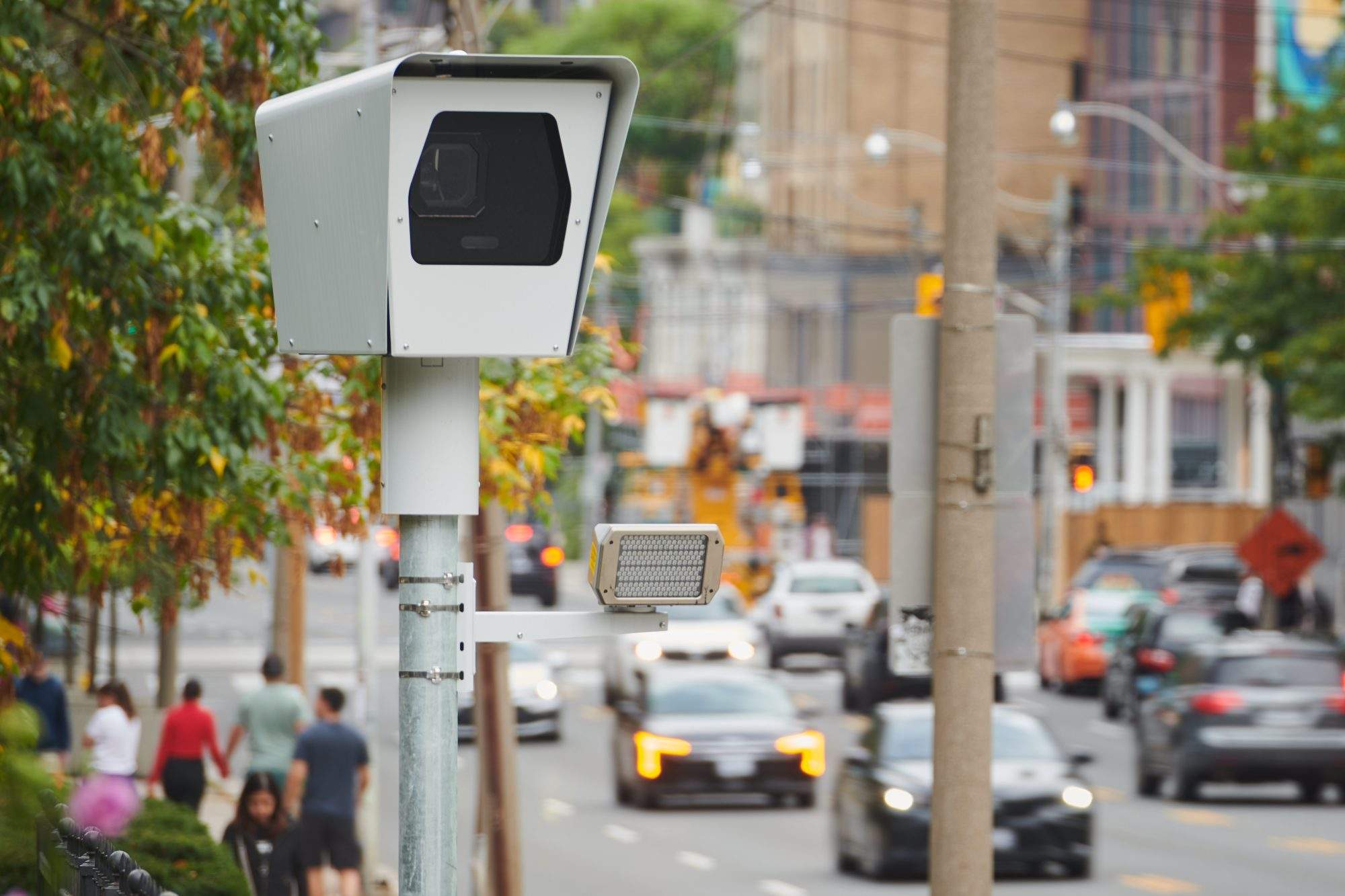
When Premier Doug Ford declared municipal automated speed cameras a predatory "cash grab" and moved to ban them across Ontario, his government claimed the science was on its side. The province insisted that physical infrastructure, like speed bumps and roundabouts, works better to protect children and slow down traffic.
But when journalists asked to see the actual studies and reports backing up this claim, the Ministry of Transportation stayed silent for months. Then, they used a brand-new, retroactively applied secrecy law to bury the records forever.
This isn't just about traffic tickets. It's a case study in how a government can change the rules of the game to hide information from the very people who elect them.
The Request That Was Quietly Suffocated
In September 2025, right around the time Ford was loudly railing against municipal photo radar, a Freedom of Information (FOI) request was filed by Global News. The request was simple: hand over all studies and reports held by the Minister of Transportation’s office regarding how speed cameras affect driver behavior and municipal revenues.
Under Ontario’s Freedom of Information and Protection of Privacy Act (FIPPA), public institutions are legally required to respond within 30 days. Extensions are allowed, but they require clear communication.
Instead, the Ministry of Transportation went dark. For months, the request sat in administrative limbo.
While the clock ticked, the Ford government was busy drafting a massive legislative shield. In March 2025, they announced plans to restrict provincial transparency laws. By April 24, 2026, those amendments officially became law.
Ten months after the initial speed camera request, the ministry finally replied with a rejection letter. The justification? Section 65(18) of the newly updated FIPPA.
"As of April 24, 2026, amendments to the Act came into force that exclude certain categories of records from its application," the ministry wrote.
Basically, they stalled until they could legally tell the public to go away.
Understanding Section 65(18) and the Shield of Secrecy
The government's legal defense relies on a sweeping carve-out. The new transparency amendments completely exempt records in the custody or control of cabinet ministers, parliamentary assistants, and their political staff from public scrutiny.
The craziest part? The law is retroactive. It applies to ongoing requests that were submitted long before the legislation was even written.
Ontario’s Information and Privacy Commissioner, Patricia Kosseim, has sounded the alarm, warning that these changes make Ontario less transparent than even the federal government. By bypassing the traditional "control" test—which historically meant that if a government department controlled a document, it was public—the province has created a black box at the highest levels of power.
If a minister or their staff touches a document, it can now be permanently shielded from the public eye.
Why the Data Matters
The province insists that the ban on automated speed enforcement is about protecting household budgets. They've offered municipalities $210 million through a new Road Safety Initiative Fund to build alternative traffic-calming measures like speed bumps.
But early data suggests that pulling the plug on the cameras has had immediate, dangerous consequences.
According to a City of Toronto staff report released after the provincial ban took effect, speeding has skyrocketed.
- Speeding surges: Vehicle speeds increased at 101 out of 104 tracked locations after the cameras were removed.
- Extreme speeding: The share of drivers traveling 11 km/h or more over the speed limit jumped from 2% to 8.1%.
- Fatal consequences: In the six months following the camera removal, Toronto saw 25 fatal collisions—including two within just 100 meters of where speed cameras used to stand.
Toronto Mayor Olivia Chow and local councillors have begged the province to bring the cameras back, pointing out that drivers are treating local school zones like highways. Yet, the province remains stubborn, with Transportation Minister Prabmeet Sarkaria blaming the city for not building speed bumps fast enough.
What Else Is Hidden in the Shadow?
The speed camera studies aren't the only records caught in this transparency vacuum. The retroactive FOI changes were initially designed to kill a major legal headache for the Premier.
For years, Ford fought a court battle to prevent the release of his personal cellphone logs from a critical week during the 2022 Greenbelt development scandal. Even after three Ontario judges ruled that he had to disclose those records, the retroactive budget bill rendered the court orders completely moot.
Additionally, the government is actively fighting to keep the names of cabinet ministers whose taxpayer-funded vehicles were caught speeding secret. FOI records showed government vehicles clocked speeding 23 times over three years—including one going 30 km/h over the limit. Government lawyers argued that releasing their names would violate their "personal privacy" and reveal "travel habits".
Your Next Steps
The reality is clear: under current Ontario law, you cannot use Freedom of Information requests to see what data the cabinet uses to make major policy decisions. But you still have avenues to voice your concern and protect your community.
- Demand local safety infrastructure: Since the province is blocking speed cameras but offering a $210 million fund for traffic calming, contact your local city councillor. Demand that your municipality aggressively apply for these funds to install physical speed bumps and roundabouts in high-risk school zones immediately.
- Contact your MPP: Write to your Member of Provincial Parliament. Let them know that retroactively changing transparency laws to protect politicians' records from public scrutiny is unacceptable, regardless of party affiliation.
- Support independent journalism: Investigative journalism is often the only tool left to hold powerful figures accountable. Support local and national outlets that continue to fight these legal battles in court.
The government can change the law to hide its paperwork, but it cannot hide the real-world traffic data on Ontario's streets.
This archived press conference video features Premier Doug Ford explaining his decision to ban municipal speed cameras, which serves as the background policy for the subsequent FOI battles and transparency law changes.


