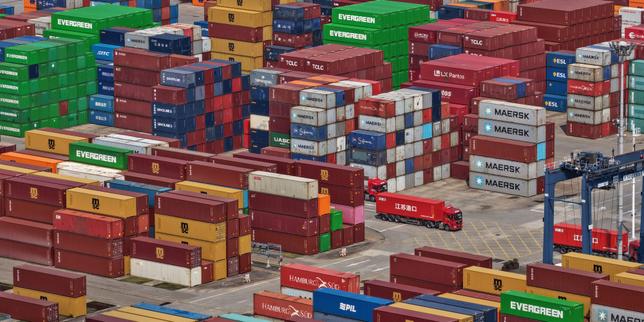
The British government just pulled the trigger on a massive shift in trade policy, and the shockwaves are already hitting factories across the country. On July 1, 2026, the UK officially replaced its old steel safeguard system with a brand-new trade mechanism. It sounds like a win for domestic manufacturing on paper. The state is stepping in to protect local industry from a global market drowning in cheap metal.
But if you talk to the people who actually buy, sell, and build with steel, the mood is bleak.
The strategy is simple but aggressive. The UK has slashed the volume of steel that can enter the country completely tariff-free by 51%. If a business imports a single ton over that strict limit, it gets slapped with a massive 50% tariff. This is a massive jump from the previous 25% safeguard rate that expired at the end of June.
Policymakers claim this wall will shield British steelmakers from global overcapacity, which the OECD expects to hit 721 million metric tons by 2027. But this policy ignores a basic economic reality. Primary steel production in the UK employs about 30,000 people. Downstream industries like automotive, aerospace, construction, and structural engineering employ over 300,000. By trying to save the 30,000, the government is making life incredibly difficult for the 300,000.
The Math That Does Not Work for British Factories
British manufacturers do not buy foreign steel just because they want to save a quick penny. Often, they buy it because British mills literally cannot make the specific grades, sizes, or volumes required for complex engineering projects.
Dividing the year into four rigid quarters means importers are now playing an administrative game of musical chairs.
- Quarter 1: July 1 to September 30
- Quarter 2: October 1 to December 31
- Quarter 3: January 1 to March 31
- Quarter 4: April 1 to June 30
HMRC operates these quotas on a strict first-come, first-served basis. Imagine you are managing a major infrastructure project or an automotive production line. You order a shipment of hot-rolled sheets or specialized wire rods. If your ship arrives at the port on a day when the quarterly quota has just run dry, your bill instantly spikes by half. A 50% penalty on the baseline customs value of your raw materials can completely wipe out the profit margin of a manufacturing contract.
This is not a theoretical scare tactic. Fixed-price supply contracts signed months ago are now exposed to extreme risk. If you cannot guarantee the final landed cost of your metal, you cannot safely price your own goods for global export.
The EU Just Set a Mirror Trap
The domestic market disruption is only half the problem. In a coordinated but painful twist, the European Union rolled out its own aggressive steel import restrictions on the exact same day. The EU slashed its duty-free import limits by roughly 47% and also matched the UK with a 50% out-of-quota tariff.
While the UK government managed to negotiate a specific tariff-free quota of 2.14 million tons into the EU bloc, the internal allocations are devastating for British exporters. Take Tata Steel UK, the biggest player in the British domestic market. The company revealed that its guaranteed duty-free export allowances into Europe have been chopped by a staggering 60%.
This creates a brutal double-whammy. British mills face higher costs for specific input components that they must bring in from abroad, while their ability to sell finished high-value products to their closest trading partners has been heavily restricted. Around 70% of British steel exports historically end up in the EU. Cutting off that oxygen supply while costs rise at home is a dangerous gamble.
The dream of a clean UK-EU "steel club" that would allow frictionless trade between the two powers while collectively blocking cheap Chinese metal is dead. Instead, British businesses are stuck caught in the crossfire of a global protectionist arms race.
The Hidden Administration Nightmare of Melt and Pour
If the financial penalties were not enough, the new trade measures introduce an entirely new bureaucratic hurdle. Importers must now comply with strict traceability rules known as the "melt and pour" principle.
It is no longer enough to show where a steel beam or pipe was forged or finished. You now have to legally prove exactly which country melted the original raw iron ore and poured the liquid steel.
This measure specifically targets transshipment, stopping nations like China from routing their excess metal through intermediate countries to dodge Western tariffs. While the intent makes sense for national security, the practical execution is a logistical headache. Global supply chains are messy. A single batch of steel components might involve raw metal poured in one country, rolled in another, and coated in a third.
If your overseas supplier cannot or will not provide the audited paperwork tracing the liquid origin of the batch, HMRC can deny access to the tariff-free quota entirely. Small and medium enterprises do not have compliance teams large enough to police the smelting history of every bolt and bracket they buy. The result will be delayed shipments, congested ports, and skyrocketing administrative costs.
How UK Importers Can Survive the Tariff Shock
Sitting back and hoping the government reverses course is a losing strategy. The new trade rules are locked in, and the state has tied its industrial strategy directly to these defensive walls. If your business relies on imported metal, you need to change your operational playbook immediately.
Audit Your Commodity Codes and Product Lines
Do not assume every single steel product faces the 50% penalty. The government designed these tariffs to target products that can theoretically be manufactured inside the UK. Run a comprehensive audit of your entire inventory against the official HMRC provisional scope. Check categories like organic coated sheets, merchant bars, rebar, and stainless products. Ensure your customs brokers are using highly accurate commodity codes so you do not accidentally flag non-tariff items for penalties.
Use the Time Limited Transitional Rules
If you signed supply contracts before March 14, 2026, you have a temporary safety valve. The government set up a transitional exemption that runs from July 1 through September 30, 2026. Goods arriving under these pre-existing contracts can bypass the 50% out-of-quota tariff during this three-month window. Gather your contract paperwork, order confirmations, and pro-forma invoices right now to prove your eligibility to customs officials before this window slams shut.
Restructure Shipment Windows to Mimic Quarters
Since the tariff-free quotas reset every three months on a first-come, first-served basis, your shipping schedule matters more than ever. Landing a massive shipment during the final two weeks of a quarter is financial suicide. Try to front-load your essential imports so they clear customs right at the start of a new quarter. Work with your freight forwarders to track quota usage metrics in real-time, holding shipments in bonded warehouses if necessary until the next allocation period opens up.
Investigate Special Customs Procedures
Look closely at Category 1 Authorised Use quotas if you transform imported raw metal into other finished steel variants. HMRC administers a separate global quota for downstream processors, which can offer an extra layer of protection if the standard regional quotas run dry. Alternatively, look into Inward Processing Relief (IPR). If you import steel to manufacture a product that is immediately exported outside the UK, IPR can let you suspend or reclaim the import duties entirely.
The era of cheap, predictable, friction-free steel sourcing is over. Survival now belongs to the businesses that can navigate the paperwork faster than their competitors.