Billionaires don't expect bomb blasts outside their front doors. Especially not in Monaco. The tiny Mediterranean microstate has built its entire brand on absolute security, pristine streets, and zero visible crime.
That illusion shattered on Monday evening.
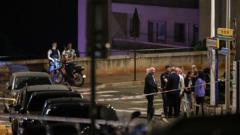
Around 9:00 pm local time, a makeshift explosive device packed with bolts and buckshot ripped through the entrance of a residential building on Rue Révérend Père Louis Frolla. The blast area sits right on the edge of the border with France. It left three people injured, including a middle-aged couple with life-threatening wounds and a 13-year-old girl who was caught in the crossfire.
Early reports from Monégasque and French intelligence point toward a terrifying conclusion. This wasn't random street crime. It looks like a targeted hit on a prominent Ukrainian oligarch.
If you think this is just another distant tragedy, you're missing the bigger picture. The reality is that the ultra-wealthy playground of the French Riviera is no longer a safe bubble from global conflict.
The Night the Illusion of Safety Cracked
The details trickling out from the Monaco public prosecutor general, Thibault Stéphane, paint a chilling picture. Surveillance footage captured a lone suspect dropping a heavy backpack at the lobby entrance of the building. Seconds later, the suspect walked away, crossing the open border into Beausoleil, France on foot.
Then came the flash.
The bomb was crude but designed for maximum human carnage. Shrapnel from bolts and heavy buckshot tore through the air. The targeted couple, a man and a woman in their 50s or 60s, bore the brunt of the shockwave. Emergency responders immediately triggered the "plan rouge," a high-level emergency response protocol designed for mass-casualty incidents. It drew in reinforcements from the neighboring French Alpes-Maritimes fire and rescue services.
Monaco Minister of State Christophe Mirmand admitted that nothing like this has ever happened in the modern history of the principality. It's a wake-up call for anyone who believed that wealth could insulate them from targeted geopolitical violence.
What Everyone Gets Wrong About Billionaire Security
People think places like Monte Carlo are heavily fortified fortresses. They aren't. Monaco relies on high-density CCTV coverage and a highly visible police presence to deter petty crime. Pickpockets get caught in minutes. High-end watch thieves rarely make it across the border.
But a determined assailant with a parcel bomb doesn't care about a security guard with a clipboard or a camera on a lamppost.
The targeted building wasn't a heavily guarded compound. It was a standard high-end residential block near the French border. It shows a fundamental flaw in how the global elite protect themselves. They spend millions on superyachts and bodyguards for public appearances, yet they remain vulnerable at home.
When international rivalries follow oligarchs to their sanctuaries, standard corporate security protocols fall flat. The attacker knew exactly when the target would return or enter the lobby. That requires deep local surveillance, intelligence tracking, and an absolute lack of fear regarding Monaco's famed police force.
The Geopolitical Fallout of the French Riviera Sanctuaries
Since the escalation of the conflict in Ukraine, the French Riviera has seen a massive influx of wealthy Eastern European expatriates. Monégasque authorities have quietly walked a tightrope. They try to maintain their status as a neutral tax haven while under immense pressure from Western allies to police dirty money.
This bombing changes the calculation.
If oligarchs bring their domestic wars to the Mediterranean coast, European intelligence agencies will have to step in. The suspect fled into France, meaning a joint manhunt is underway. It's an operational nightmare for both countries. The ease with which the perpetrator crossed an open border highlights how fragile security borders are in Western Europe.
Local politicians are already panicking. Éric Ciotti, the mayor of nearby Nice, quickly labeled the incident a tragedy on social media. The anxiety among local leaders is palpable. They know that if the ultra-rich start feeling unsafe, the luxury real estate market and the local banking economy could take a severe hit.
How Elite Travelers and Residents Must Respond Right Now
If you live in or regularly visit high-end European enclaves, you need to change your security posture immediately. The era of assuming a low-crime zone is a zero-threat zone is officially over.
First, upgrade your residential perimeter monitoring beyond standard building intercoms. If your building doesn't vet packages at an off-site location, you are exposed to mail and parcel threats.
Second, rethink your transit routines. The suspect in the Monaco attack used predictable timing to ensure the device hit the target family. Varying your arrival times and exit routes is basic security tradecraft that most wealthy residents ignore because they feel safe.
Third, monitor local security alerts through official government channels rather than relying on delayed mainstream news. When a crisis breaks, standard media outlets take hours to confirm details that local police services share via direct channels.
The investigation into the blast on Rue Révérend Père Louis Frolla is ongoing. The suspect remains at large, hiding somewhere in the French interior or using a fake identity to slip across European borders. This attack serves as a stark reminder that no amount of money can completely buy out the risks of a connected, volatile world.
Stay vigilant, audit your surroundings, and don't take your security for granted.

:max_bytes(150000):strip_icc()/Sabyasachia-998984251b434f3a9c350c5694ef7f32.jpeg)