The historic June framework deal between the US and Iran was supposed to bring peace to the Middle East. President Donald Trump hailed it as a massive breakthrough. Keir Starmer and European allies lined up to back it. Everyone thought the Strait of Hormuz would stay open, oil would flow, and a multi-billion dollar rebuilding project would begin.
Instead, the region is sliding right back into a hot war. For a different look, see: this related article.
A sudden wave of Iranian attacks targeting commercial shipping and neighboring Gulf states has shattered the fragile peace. The US responded with aggressive airstrikes inside Iran, targeting locations across the southwestern and central parts of the country. In response, the European powers—specifically France, Germany, and the UK (the E3)—issued a sharp joint statement condemning Tehran's actions.
If you're wondering why a deal that looked so solid a month ago is suddenly falling apart, you aren't alone. The breakdown reveals a massive gap between diplomatic talk and the realities of military escalation on the ground. Similar coverage regarding this has been provided by USA Today.
How a Historic Peace Framework Evaporated in Weeks
Back in mid-June, a draft agreement mediated by Qatar and Pakistan set the stage for an end to military operations across all fronts. The US promised to stop intervening in Iran’s internal affairs, while the E3 signaled their readiness to lift heavy economic sanctions. The deal looked remarkably generous on paper for Tehran. It included full access to frozen oil revenues and an ambitious $300 billion reconstruction plan funded by the West.
But it contained a fatal flaw.
The framework explicitly excluded Iran's missile program and its financial support for regional armed proxies from the negotiation agenda. Diplomats wanted a quick win, so they pushed the hardest issues down the road. That shortcut backfired.
Tehran didn't wait for the 60-day implementation period to wrap up. Iranian forces launched aggressive operations against merchant vessels in the Strait of Hormuz, effectively choking off the world's most critical energy transit point. They didn't stop at sea, either. Misguided drone and missile strikes hit several neighboring nations, including Qatar, Kuwait, Bahrain, Oman, and Jordan.
The Western Response and the Looming Threat to Global Oil
The E3 foreign ministers didn't mince words in their emergency joint declaration. They labeled the actions as reckless and a direct violation of international maritime laws governing freedom of navigation. The Europeans find themselves in an incredibly awkward spot. They want to avoid a massive regional war, but they can't sit back while global shipping lanes get strangled.
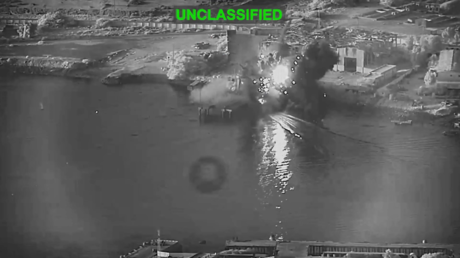
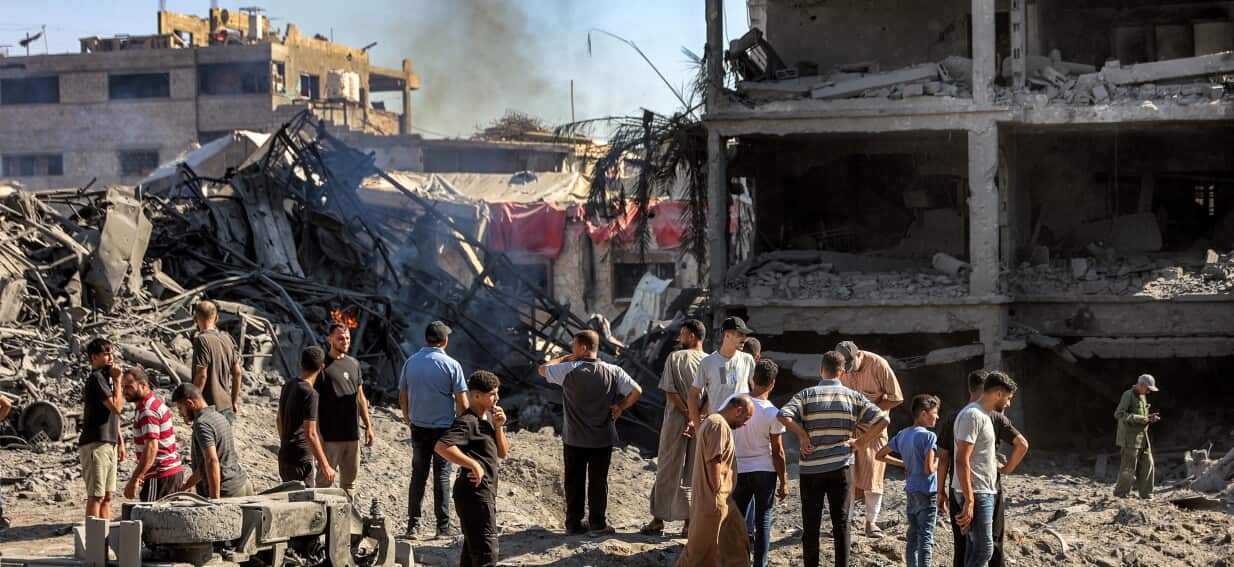
Washington has taken a far more kinetic approach. US military strikes hit targets deep inside Iran, drawing immediate threats of retaliation from Tehran, which announced that any launch points used for American attacks would be treated as legitimate military targets.
Oil prices are already spiking. If the Strait of Hormuz closes permanently, we aren't just looking at a local conflict. We're looking at a global economic crisis. Trump has already publicly floated the idea that the US might take total operational control of the shipping lanes, adding that he expects other nations to pay Washington for the service.
Why This Fight is Different
Many analysts treat this as just another standard flare-up in the Middle East. They're wrong. This escalation is fundamentally different for three reasons.
- Targeting the mediators: By hitting countries like Qatar and Oman, Iran is directly striking the very diplomats who spent months building the peace framework. It shows a total disregard for the diplomatic track.
- Economic desperation: Iran’s hardliners feel the draft deal was taking too long to yield actual cash. They wanted immediate asset unfreezing before starting technical talks.
- The structural bypass: Because the deal bypassed Iran's ballistic missile infrastructure, the Islamic Revolutionary Guard Corps (IRGC) maintained full operational capability to disrupt the region at a moment's notice.
What Happens Next
The E3 is calling for an immediate restoration of the ceasefire and a return to the negotiating table. Honestly, it feels like wishful thinking right now. You can't patch a deal up while bombs are dropping in central Iran and tankers are burning in the Gulf.
Keep an eye on these three critical indicators over the next few days to understand where this crisis goes next.
- The Insurance Markets: Watch the maritime insurance rates for ships entering the Persian Gulf. If Lloyd's of London and other major insurers pull coverage or skyrocket their premiums, commercial shipping will stop entirely, even if the US Navy tries to escort hulls through.
- The Drone Supply Chain: Pay attention to whether Russia or other allies offer diplomatic cover or hardware resupplies to Tehran following the latest US strikes.
- The Response from Riyadh: Saudi Arabia has remained noticeably quiet during this specific round of E3 announcements. If the Saudis pivot back toward full alignment with Washington's military stance, the diplomatic track is officially dead.
The $300 billion reconstruction plan and the dreams of a grand bargain are sitting on ice. Right now, the immediate focus is simply preventing a bad situation from turning into total regional chaos.