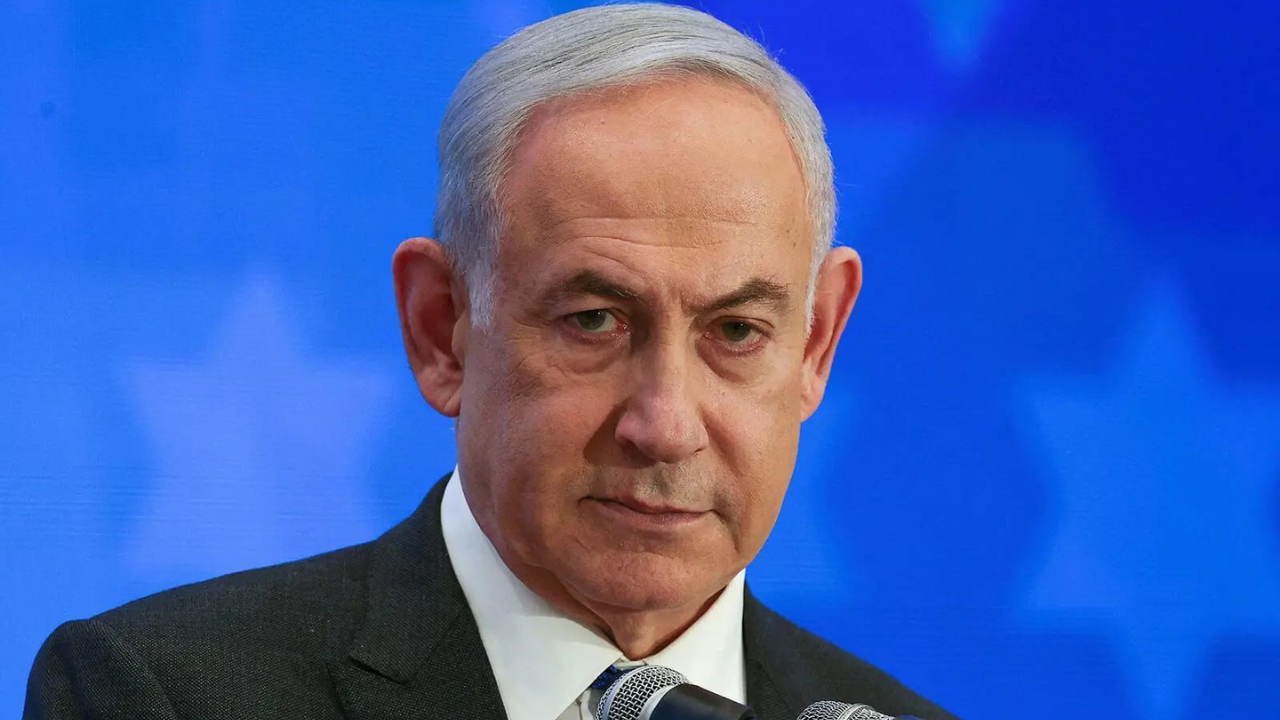
The Middle East runs on rumors, but the latest leak regarding an alleged Israeli hit list takes the drama to a completely different level. Mainstream reports claim that American intelligence spent the early months of 2026 sweating over a dark possibility: that Israel was actively planning to assassinate Iran's top diplomats right in the middle of peace talks.
The Israeli Prime Minister's Office didn't take long to fire back. They explicitly called the story fake news and a complete fabrication of reality.
Behind the public shouting match lies a much bigger story about raw leverage, backchannel panic, and a delicate peace process that almost shattered before it even started. To understand why this leak happened now, you have to look past the official denials and examine what actually went down during the secret talks in Islamabad and Doha.
The Secret Warnings That Set Off the Panic
The controversy started when reports surfaced that US officials used regional intermediaries to send urgent, indirect warnings to Tehran. The specific targets were Iranian Foreign Minister Abbas Araghchi and Parliament Speaker Mohammad Bagher Ghalibaf. Both men were leading Iran's delegation to negotiate an end to the brief but brutal military conflict that erupted earlier this year.
Washington was terrified. American officials believed that if Israel took out either of these men, the diplomatic track would instantly collapse. A senior official reportedly noted that killing these specific figures meant killing the only pragmatists left in Tehran willing to sign a deal. The White House wanted the peace process to play out, especially with the critical goal of permanently reopening the Strait of Hormuz to stabilize global oil markets.
American diplomats went so far as to ask leaders across the Middle East and South Asia to act as buffers. They wanted everyone to remind Tehran that while the April 8 ceasefire was holding, the danger wasn't over.
Israel insists none of this is true. Netanyahu's team claims the entire narrative is an invention designed to paint Israel as an unguided missile looking to sabotage American diplomacy.
The Flight to Mashhad and the Intelligence Glitch
The claims aren't just based on vague office gossip in Washington. Believers point to a terrifying incident on April 12 that nearly triggered a full-scale regional war.
Parliament Speaker Ghalibaf was flying back to Iran from Islamabad after high-stakes discussions that included interactions with US Vice President JD Vance. Iran was already deeply paranoid about an ambush. They demanded international security guarantees and even had Pakistani fighter jets escort Ghalibaf's plane right up to the Iranian border.
Halfway through the flight home, things went sideways. Iranian security forces intercepted intelligence indicating that an Israeli strike was imminent. According to information later shared by intelligence sources, two Israeli fighter jets had crossed into Iranian airspace from Iraq.
The pilot received an urgent command to abort the route. The plane made a sudden, emergency landing in Mashhad, located in northeastern Iran. Ghalibaf and his team didn't dare get back in the air. They scrambled into a convoy of vehicles and spent eight exhausting hours driving back to Tehran by land.
Israel hasn't commented on that specific flight interception, but they maintain that the broader accusation of targeting negotiators is ridiculous. From the Israeli perspective, there's a massive difference between striking military targets during active combat and hitting diplomats during an active peace process.
Why the Hit List Timeline Doesn't Quite Add Up
To figure out what is real and what is theater, look at how the target lists evolved. When the war broke out on February 28, Israel launched a relentless campaign against Iran's leadership structure. They successfully eliminated several high-ranking figures, including national security chief Ali Larijani and former foreign minister Kamal Kharazi. During those chaotic weeks of open warfare, both Araghchi and Ghalibaf were undeniably on the target list. They were high-value political assets of a hostile state during active hostilities.
The shift happened when the ceasefire was declared on April 8. At that point, the two men shifted from wartime leaders to diplomatic counterparts.
A Pakistani official later revealed that Islamabad explicitly warned Washington about the consequences of an expansion of the hit list. The message was simple: if you let Israel kill the negotiators, there will be nobody left to talk to. The US pressured Israel to pull back, and by all accounts, the formal authorization to strike those specific individuals was shelved.
The idea that Israel would intentionally hunt down diplomats after a ceasefire was signed ignores the massive diplomatic cost Israel would pay. They rely heavily on Washington for defensive capabilities and political cover. Defying a direct White House directive during a fragile peace process would have broken the alliance at the worst possible moment.
The Strategic Logic of the Fake News Accusation
When the Israeli Prime Minister's Office labeled the report as fake news, they weren't just defending their honor. They were engaging in essential damage control.
An unprovoked attack on a diplomatic mission or a negotiating team is a war crime under international law. Israel has faced intense scrutiny before, particularly after an incident in September 2025 when an airstrike hit a location in Doha where a Hamas negotiating team had gathered. That strike caused massive friction with Qatar and nearly ended Doha's role as a regional mediator.
Israel cannot afford a repeat of that narrative, especially not with Iran. Labeling the New York Times report as a fabrication serves multiple strategic purposes:
- It reassures regional partners like Qatar and Pakistan that Israel respects the physical boundaries of diplomatic venues.
- It lowers the political temperature in Tehran, reducing the likelihood of a retaliatory missile strike based on past paranoia.
- It protects the current progress on the 14-point Memorandum of Understanding that was just debated in Doha on July 1.
The timing of the leak is also suspicious. It dropped right as Netanyahu and US President Donald Trump agreed to schedule a high-profile meeting in the United States. Netanyahu just called Trump to congratulate him on the 250th anniversary of the founding of the United States, praising the tight bond between the two nations. A report suggesting that the US had to secretly protect Iranians from Israeli assassination plots creates a messy backdrop for an important bilateral summit.
What Happens to the Peace Process Now
The diplomatic dance isn't stopping because of a few explosive headlines. Qatar and Pakistan have reported positive progress on the core issues of the treaty, despite the sudden death and subsequent funeral processions of Iran's former Supreme Leader.
The negotiators are scheduled to return to the table as soon as the formal mourning period ends. The real challenge won't be navigating old rumors of assassination plots, but ironed-out enforcement mechanisms for the Strait of Hormuz and border security.
If you are tracking this conflict, ignore the sensational claims of dramatic airborne ambushes for a moment. Focus instead on the institutional guardrails. The fact that the US and Iran were able to maintain backchannels through regional capitals during a major military escalation shows that neither side wants total destruction.
The immediate next steps for regional stability require concrete actions rather than media arguments:
- Watch the upcoming meeting between Netanyahu and Trump in Washington for signs of a unified stance on Iranian compliance.
- Monitor whether Pakistan continues to provide military escorts for Iranian diplomatic flights, which will reveal the true level of lingering threat perception.
- Look for the formal signing of the remaining points of the Doha Memorandum of Understanding later this month.
The narrative of the hidden assassin makes for great reading, but the reality of Middle Eastern diplomacy is dictated by leverage, logistics, and hard strategic limits. Israel denied the plot because proceeding with it would have been strategic suicide, and in this part of the world, survival always trumps theater.