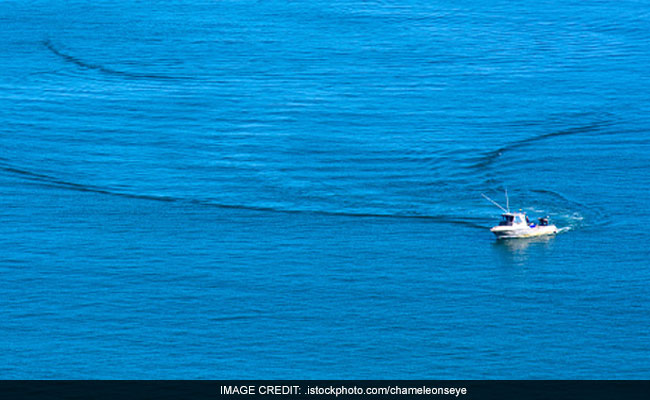
A wooden fishing boat drifts aimlessly in the open Atlantic. No engine power. Food ran out weeks ago. Drinking water is gone. For 25 agonizing days, 181 people sat trapped on that vessel after leaving Bufaloto, The Gambia, hoping to reach Spain's Canary Islands. By the time rescuers finally reached them off the coast of Nouadhibou, Mauritania, only 38 people were still alive.
The rest perished at sea.
That single tragedy accounted for 143 of the 144 dead or missing refugees reported by the UN Refugee Agency (UNHCR) after three separate maritime operations between July 14 and July 18. Another individual died aboard a separate vessel brought ashore on July 14. In total, emergency crews brought 387 survivors safely to land across those four days.
Among the survivors of the 25-day ordeal were two young children who lost their entire families before reaching land. They're now receiving medical treatment in a local hospital.
I've followed West African migration routes for years, and these stats don't surprise me. People often focus strictly on Mediterranean crossings, but the Atlantic route off West Africa is easily one of the world's most perilous ocean journeys.
What Makes the Atlantic Route So Dangerous
Crossing from West Africa to the Canary Islands isn't a quick boat trip. The journey from The Gambia to Spain's archipelago covers roughly 905 nautical miles, which is over 1,600 kilometers of open ocean.
Smugglers push migrants onto overcrowded, unseaworthy wooden boats called pirogues. These craft lack modern navigation tools, adequate fuel reserves, or proper safety gear. Once a motor fails in those heavy ocean swells, a boat simply drifts west into the vast Atlantic.
Here's what migrants face when stranded on this corridor:
- Relentless currents: Strong ocean currents push drifting boats away from shipping lanes and further into open water.
- Extreme dehydration: Exposure to salt spray, burning sun, and lack of freshwater causes rapid physical decline.
- Delayed rescue: Search and rescue operations struggle to monitor thousands of square miles of ocean without precise distress beacons.
Even when coastal authorities react quickly, finding a small wooden boat in mid-Atlantic waters is like searching for a needle in a hay field.
Decreasing Numbers Don't Mean Decreasing Risk
Official stats show overall sea crossings to Europe are dropping this year. According to UNHCR spokesperson Matthew Saltmarsh speaking in Geneva, sea arrivals across main European routes fell from 65,407 in the first half of last year to just over 40,000 this year.
Arrivals to the Canary Islands dropped by 61 percent compared to the same period in 2025, with around 4,400 people reaching the islands by mid-July.
Fewer boats on the water doesn't mean safer journeys. The death rate per attempt remains horrifyingly high. In 2026 alone, Mauritanian authorities in Nouadhibou and Nouakchott have carried out 17 disembarkation operations, bringing 2,147 people safely to shore. Countless other boats vanish without leaving a trace or single survivor to tell the story.
The narrative that stricter maritime patrols solve the crisis misses the core problem. When you close standard routes, desperate people take longer, riskier paths farther out to sea.
Why People Still Take the Risk
Nobody steps onto an unsafe boat for a 25-day drift by choice. Refugees and migrants undertake these journeys because staying home feels far more dangerous or completely hopeless.
Most people fleeing through these corridors face severe economic collapse, political instability, regional conflict, or extreme climate disruptions destroying coastal fishing and agricultural livelihoods. When youth see no legal options for employment or education, illicit transit routes become their only perceived option.
UNHCR continues calling for expanded legal migration pathways, higher resettlement quotas, and accessible work or study visas. Until governments address root causes and build safe alternatives, people will keep risking their lives on wooden boats.
Immediate Steps to Prevent Future Tragedies
Stopping these deaths requires practical policy changes rather than piecemeal emergency responses.
- Expand regional search and rescue: European and West African maritime authorities need better joint radar tracking and dedicated rescue vessels along high-risk ocean corridors.
- Establish legal channels: Creating accessible work permits and humanitarian visas reduces dependence on human smuggling networks.
- Increase direct humanitarian aid: Support Mauritania and neighboring nations managing frontline rescue and medical processing for survivors arriving in port cities like Nouadhibou.
- Invest in local economic opportunities: Target economic development directly in origin communities like coastal Gambia and Senegal to give young adults viable futures at home.