Thousands of people across the country are dealing with a brutal stomach parasite. Bathrooms are occupied, hospital visits are climbing, and everyone wants answers. Naturally, when federal investigators pointed the finger directly at produce giant Taylor Farms, it felt like the mystery was solved. Then came the unexpected pivot.
Within forty-eight hours, federal regulators walked back their own key test result, labeling it a false positive. Taylor Farms jumped on the victory lap, demanding public apologies while pointing out their massive voluntary recall. Meanwhile, thousands of sick patients are left wondering what actually happened to the salad they ate last week.
This mess goes far deeper than a single tainted batch of leafy greens. It highlights a chaotic mix of corporate political sway, regulatory cutbacks, and complex laboratory science that fails when the public needs it most.
The Outbreak That Paralyzed Menus Across the Country
It started quietly. A few hundred reported cases of severe stomach illness began popping up in the Midwest in late spring. By mid-summer, that trickle turned into a flood.
More than 1,600 confirmed cases—and over 5,000 under active investigation—were linked to a nasty little bug called Cyclospora cayetanensis. This microscopic parasite settles into the small intestine and causes weeks of watery diarrhea, severe cramping, and dehydration. It isn't a quick twenty-four-hour stomach bug. It drags on.
The trail quickly led back to fast-food drive-thrus. Taco Bell locations across five states suddenly yanked shredded iceberg lettuce from their kitchens. Customers who ate there between mid-May and mid-July were falling ill in record numbers. Michigan was hit hardest, reporting thousands of cases in a matter of weeks.
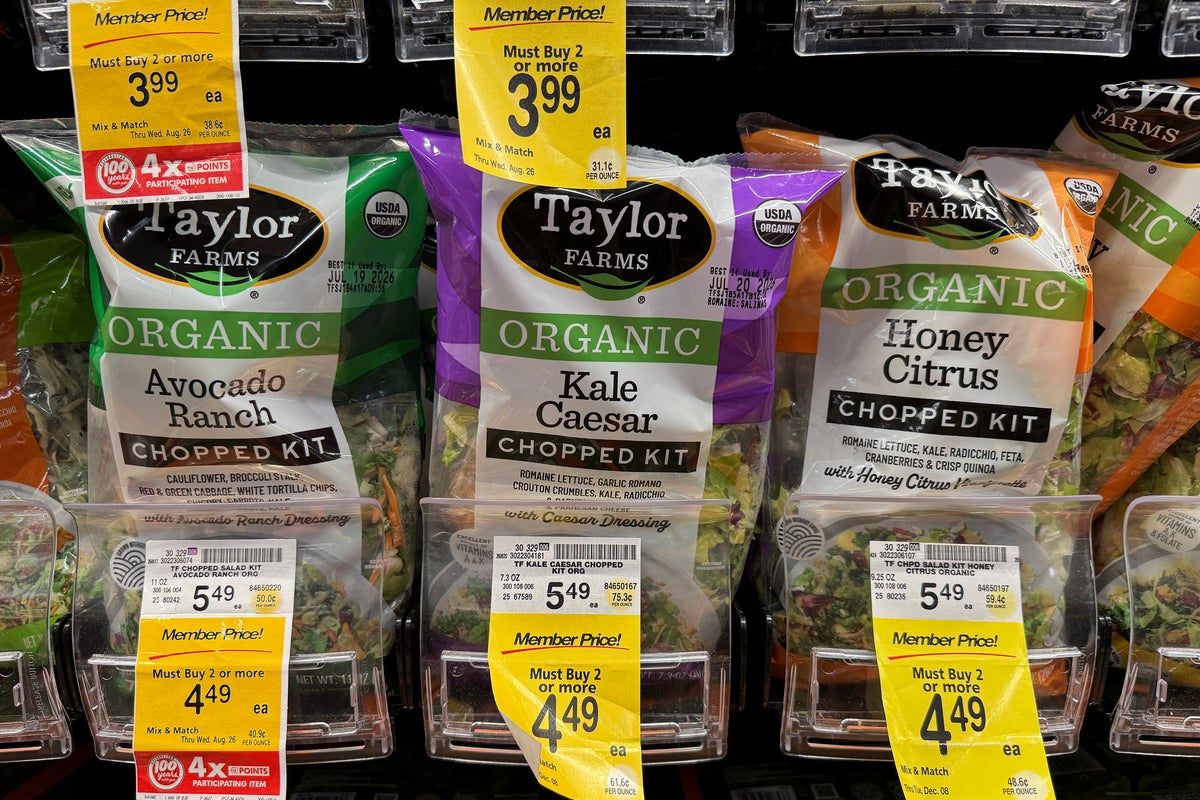
Traceback investigations pointed back to a single primary vendor: Taylor Farms.
Taylor Farms isn't some small regional grower. They're a massive agricultural titan based out of Salinas, California. They supply fresh-cut produce to virtually every major chain you can name, including Walmart, Whole Foods, Costco, McDonald's, and Taco Bell. When Taylor Farms has a problem, America's dinner plate has a problem.
In response to the growing heat, the company issued a voluntary recall covering 25 different shredded lettuce and salad mix products originating from growing operations in central Mexico. They suspended imports from the region indefinitely.
Then the Food and Drug Administration made a move that turned an already ugly situation into a complete PR disaster.
A Weekend Blunder and the False Positive Controversy
On a Saturday, the FDA publicly announced that a sample of Taylor Farms iceberg lettuce had tested positive for Cyclospora. It seemed like the smoking gun.
By Sunday evening, the agency completely reversed course.
A quality control check revealed the initial result was actually a false positive from a rapid screening test. Taylor Farms didn't waste a second. The company posted bold statements across its website and social media channels, claiming the FDA had apologized to them for the erroneous report.
"To be clear, at this moment, FDA has not identified a single positive product test result for cyclospora," the company announced.
The FDA fired back on Monday. While acknowledging the lab mistake, acting food chief Donald Prater clarified that no official apology was offered. More importantly, federal officials stressed that the retracted test didn't clear the company.
Epidemiological data and supply chain tracing still point straight at shredded iceberg lettuce from Taylor Farms' central Mexico farms. The government's core case didn't rely on that single lab dish. It relied on thousands of sick people all pointing to the exact same supply chain.
Why is testing for this parasite so frustratingly unreliable?
Testing for Cyclospora isn't like testing for E. coli or Salmonella. You can't easily culture Cyclospora in a petri dish to grow more of it for analysis. It requires specialized molecular testing to detect parasite DNA. Rapid field tests can easily trip over similar harmless organisms, leading to the exact lab error that played out over the weekend.
While scientists argue over DNA fragments in lab dishes, thousands of real people are still sick. The technical debate overshadows a much larger, uncomfortable question about how major food suppliers operate behind the scenes.
Deep Political Roots and Regulatory Rollbacks
You can't talk about Taylor Farms without talking about political influence.
Agricultural giants don't just grow lettuce. They cultivate serious political connections in Washington and state capitals. Over recent election cycles, executive leadership and political action committees linked to major produce distributors have funneled millions into political campaigns, predominantly backing conservative political action committees and MAGA-aligned candidates.
Money buys access. Access shapes policy.
When political administrations push for deregulation and budget cuts across regulatory agencies, food safety oversight is often the first thing on the chopping block. Cuts to the Centers for Disease Control and Prevention and the FDA reduce the number of border inspectors, slow down outbreak response teams, and limit laboratory resources.
Consider the timeline. Border inspections for imported produce from Central Mexico have struggled to keep pace with the sheer volume of veggies crossing into the US daily. When inspection budgets get slashed, the system shifts from proactive prevention to reactive damage control.
We're left with a system that relies almost entirely on self-regulation by the very corporations making the donations.
When a major outbreak occurs, these companies rely on top-tier legal and crisis communications teams. They highlight lab errors, emphasize voluntary recalls, and push back hard against federal messaging. They protect their brand value while regulatory agencies struggle to get accurate information to the public in real time.
It's a classic power dynamic. A multi-billion-dollar produce supplier with deep political ties can publicly pressure a cash-strapped regulatory agency into walking back statements, creating confusion about whether the food in your fridge is actually safe.
What Most People Get Wrong About Food Safety Labels
When outbreaks dominate the news, consumers rush to check their refrigerators. They look at bag dates, brand names, and certification stamps. But there's a fundamental misunderstanding about what those dates and labels actually mean when a parasite is involved.
Many people assume a "Best If Used By" date has something to do with safety. It doesn't.
- Best If Used By: This tells you when peak flavor and quality start to drop. It has zero bearing on whether the product contains a parasite or bacteria.
- Sell By: This is an internal store management tool to tell workers when to rotate stock off the shelves.
- Use By: This is the last date recommended for use while at peak quality, set by the manufacturer.
Even if you buy lettuce weeks before its printed date, parasitic contamination like Cyclospora doesn't care about freshness dates. Washing your bagged salad at home doesn't fully fix the issue either. Cyclospora sticks tenaciously to the rough, microscopic surfaces of shredded leafy greens. Standard kitchen rinsing barely nudges it.
When an outbreak happens, relying on standard consumer habits won't protect you. You need clear, unvarnished supply chain data from the government. When that data gets bogged down in public disputes over false positives and lab protocols, the consumer is left entirely in the dark.
How to Protect Yourself During an Active Outbreak
Navigating a massive, multi-state produce recall requires practical steps rather than panic. When federal agencies and corporate suppliers are locked in public relations battles, you need a straightforward strategy to keep your kitchen safe.
First, check your fridge for any recalled product lines immediately. If you have shredded iceberg lettuce or salad kits sourced from Taylor Farms or labeled with affected brand codes originating from central Mexico, throw them out. Do not eat them, and do not feed them to pets.
Second, clean your refrigerator surfaces. If a recalled bag of lettuce was sitting on a shelf, wipe down the area with warm, soapy water followed by a mild sanitizer. Cross-contamination can happen if torn packaging leaks fluids onto other produce or surfaces.
Third, know the symptoms of parasitic infection. If you ate shredded lettuce at a restaurant or from a store-bought salad kit and experience persistent diarrhea, severe stomach cramps, bloating, or unexpected weight loss, contact a doctor. Standard over-the-counter anti-diarrheal meds don't always clear parasitic infections; you may need a specific prescription antibiotic like trimethoprim-sulfamethoxazole to treat it.
Fourth, stay updated through official public health notices rather than corporate press releases. Check direct updates from health departments and the CDC. While press statements focus on liability and lab technicalities, public health advisories focus purely on geographic risk and distribution channels.
Finally, consider shifting to whole-head produce during active outbreaks. Pre-shredded and pre-washed bagged greens pass through massive centralized processing facilities where a single contaminated batch can mix with tons of clean produce. Buying whole heads of lettuce, removing the outer leaves, and thoroughly washing the rest reduces exposure during high-risk periods.
Food safety isn't guaranteed just because a bag says "pre-washed." When corporate interests, political lobbying, and regulatory mistakes collide, taking your food safety into your own hands is the only reliable choice left.