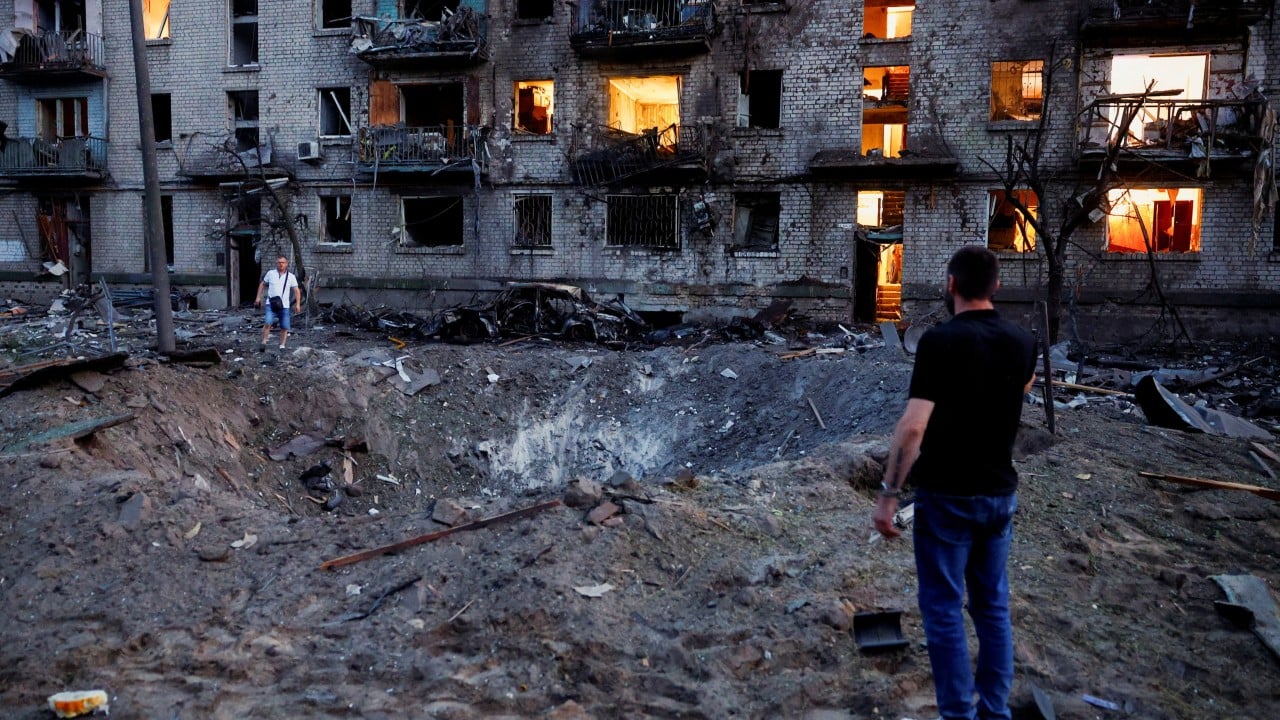
Kyiv is shaking again. The latest Russian missile and drone barrage against the Ukrainian capital shows that Moscow isn't letting up. This isn't just another routine strike in a long conflict. The sheer volume of explosives dropped on the capital forced President Volodymyr Zelensky to cut short a foreign trip. He rushed back after intelligence agencies warned of imminent, devastating hits.
If you are trying to understand why this specific attack matters right now, you need to look past the smoke and sirens. This strike reveals a deliberate strategy to bleed Ukraine of its expensive air defense ammunition while exposing gaps in Western supply chains.
The immediate question for anyone watching this unfold is simple. Why Kyiv, and why now? The answer lies in a combination of intelligence warnings, political timing, and brute military calculations that go far deeper than the daily headlines suggest.
The Reality Behind the Latest Missile Attacks on Ukraine
When sirens echo through Kyiv, people look to the skies, but the real battle happens behind computers and inside radar bunkers. This specific Russian missile raid didn't just happen out of nowhere. Intelligence networks caught wind of the preparations days before the first launch. Russian strategic bombers were moving. Drones were being fueled at launch sites near the border.
Zelensky received the briefings while abroad. He chose to cancel his remaining meetings and fly straight back to Ukraine. That tells you everything you need to know about the severity of the threat. Leaders don't cancel diplomatic trips for minor incidents. They return when the capital faces an existential threat.
Moscow deployed a complex mix of weaponry. They used low-cost Shahed drones to swarm the radar systems first. These drones fly slow and low. They are loud. They are designed to be noticed. While Ukrainian defense teams focused on shooting down these cheap aerial targets, Russia launched high-speed cruise missiles and ballistic weapons right behind them.
It is a classic saturation tactic. You overwhelm the defender. You force them to spend a million-dollar Patriot missile on a twenty-thousand-dollar drone. If they don't shoot, the drone hits an electrical substation. If they do shoot, they run out of missiles for the faster, deadlier threats that follow minutes later.
Military analysts tracking the conflict note that Russia has shifted its targeting focus. They aren't just trying to destroy buildings. They are testing the limits of Ukraine's air defense grid. Every radar emission is tracked by Russian electronic intelligence. Every successful intercept tells Moscow where the defense batteries are hidden. It's a deadly game of cat and mouse played over the roofs of millions of civilians.
What Most People Get Wrong About the Air War
A common misconception is that a high interception rate equals a total victory for Ukraine. When the military reports that they shot down 80 percent or 90 percent of incoming targets, the public sighs with relief. That is a mistake.
In an air campaign of this scale, the percentage that gets through is what matters. If Russia launches one hundred targets and ten hit their mark, they can cripple vital infrastructure. A single cruise missile striking a major power plant can leave an entire district dark for weeks.
We also need to talk about the cost of defense. The financial math is entirely in Russia's favor.
- A single Iranian-designed drone costs roughly $20,000 to produce.
- An advanced interceptor missile from a Western system like NASAMS or Patriot can cost anywhere from $1 million to $4 million.
- This creates an economic imbalance that Ukraine cannot sustain without continuous foreign assistance.
The pressure on Western stockpiles is immense. Production lines in the United States and Europe are running at full capacity, but they still struggle to match the burn rate on the ground. Ukraine uses more air defense missiles in a week of heavy bombardment than many European countries produce in an entire year. This is the hidden crisis behind the smoke columns in Kyiv. Moscow knows this math. They are counting on the West running out of patience, or running out of missiles, before Russia runs out of cheap drones.
The Human Toll and Civilian Defense
Behind the strategic calculations are real people sleeping in subway stations. The psychological impact of these non-stop alerts is part of the strategy. Constant sleep deprivation weakens public morale. It disrupts businesses. It forces schools to close.
Local volunteer groups have stepped up to fill the gaps. Mobile defense teams travel in the back of pickup trucks equipped with searchlights and heavy machine guns. They chase drones across the dark fields surrounding Kyiv, saving the expensive missiles for the hypersonic threats. It is a gritty, frantic effort that rarely gets recorded in official defense briefings, but it keeps the lights on in the city.
Strategic Next Steps for Security Analysts and Observers
If you are tracking the geopolitical ripple effects of these strikes, you should look for specific indicators over the next few weeks rather than relying on emotional social media updates. The conflict has entered a phase where logistics and industrial capacity dictate the outcome.
Monitor Interception Ratios and Weapon Mixes
Pay close attention to the types of weapons Russia uses in future waves. If you see a sudden drop in cruise missiles and an increase in older, Soviet-era ballistic weapons, it indicates that Russian stockpiles are under strain. Conversely, if they continue to deploy newly manufactured weapons, it proves their domestic defense factories are successfully bypassing international sanctions through gray-market electronics procurement.
Track Western Supply Announcements
Watch the language used in upcoming military aid packages from NATO allies. Look for specific mentions of spare parts, radar units, and short-range ammunition rather than just headline-grabbing missile batteries. The survival of Ukraine's air shield depends on maintenance and supply consistency, not just sending more launchers that lack the ammunition to fire.
Observe Regional Energy Grid Resilience
The true measure of a strike's success isn't the destruction of military headquarters. It is the stability of the civilian energy grid. If Ukraine can maintain stable electrical power through these massive waves, it demonstrates that their engineers have successfully decentralized the grid and built effective physical protections around key transformers. If rolling blackouts return, it means the Russian saturation strategy is working despite high interception rates.
The situation remains incredibly fluid. The air war over Kyiv is a direct test of economic and industrial endurance between Moscow and the Western alliance. It is a conflict where the side that manages its supply chains more effectively will ultimately dictate the terms of the peace. Keep your eyes on the factory floors and the ammunition warehouses. That's where this war will be won or lost.