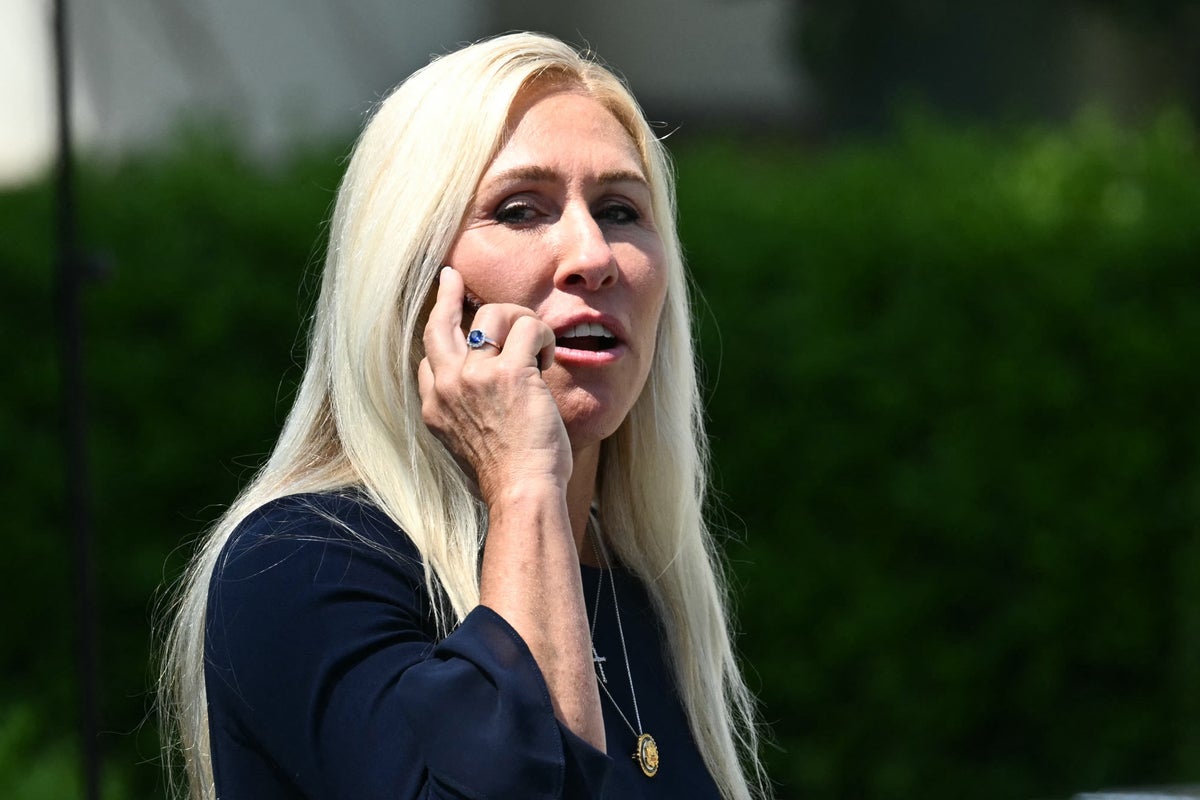
The political world loves a predictable script. Left attacks right, right attacks left, and everyone goes back to their respective corners to raise money off the outrage. But every now and then, the matrix glitches.
That is exactly what happened when former Georgia Congresswoman Marjorie Taylor Greene took to X to aggressively attack a woman accusing progressive Maine Senate nominee Graham Platner of sexual assault. Then, almost as quickly as the post went live, it vanished.
The internet keeps receipts. The sudden erasure of the post left political operators on both sides scrambling to figure out what just happened. Why would one of the most polarizing conservative firebrands of the decade stick her neck out to defend a Bernie Sanders-endorsed progressive oyster farmer?
The answer reveals a lot about the bizarre, upside-down reality of the 2026 political cycle.
The Shocking X Post That Disturbed Both Sides
When Politico published a bombshell report featuring a Maine woman accusing Graham Platner of forcing himself on her in late 2021, the fallout was instant. Democratic leaders like Georgia Senators Jon Ossoff and Raphael Warnock immediately called on Platner to drop out of the race. The entire progressive establishment began backing away from their sudden star nominee.
Then came Marjorie Taylor Greene.
Before her post was scrubbed from the platform, Greene launched into a fierce critique of Platner's accuser. She didn't just question the timing of the allegations. She used her massive platform of over 11 million followers to tear into the credibility of the claim itself, framing it as a coordinated political hit job designed to protect incumbent Republican Senator Susan Collins.
It was a staggering move. Platner is a self-described socialist veteran whose past, deleted Reddit posts called rural white Americans racist and criticized local police forces. He is everything the traditional MAGA movement campaigns against. Yet, there was Greene, effectively running interference for him.
The backlash from her own conservative base was immediate and fierce. Within hours, the post was deleted, but the shockwaves are still rippling through Washington and Maine.
A Post-Congress Firebrand Without a Party
To understand why Greene made this move, you have to look at her current political standing in 2026. She is no longer in Congress. After a spectacular and highly public falling out with Donald Trump over the handling of classified Epstein documents, Greene resigned her Georgia seat.
She has spent the last year rebranding herself as an independent political agent. She frequently vlogs about her life, appears on unexpected media outlets, and has explicitly declared that she is done with the traditional Republican Party. She recently wrote on X that she would no longer support a party that betrays its voters, though she made sure to clarify she isn't becoming a Democrat either.
This independence has turned her into a wildcard. Freed from the constraints of party discipline or the need to protect a House majority, Greene is operating purely on her own instincts. Those instincts apparently told her that any establishment-backed accusation against an outsider candidate should be treated with deep skepticism.
But her instincts ran face-first into a wall of political reality. Defending a progressive candidate facing credible rape allegations from a former partner is a line her remaining followers simply wouldn't tolerate.
The Chaos Gripping the Maine Senate Race
The backdrop for this social media drama is one of the most high-stakes Senate races in the country. Democrats see Susan Collins's seat as a prime pickup opportunity, and for months, Graham Platner looked like a political sensation.
Platner, a 41-year-old Marine Corps veteran, built a massive, anti-establishment campaign that overwhelmed traditional primary candidates, including Maine Governor Janet Mills. He brought thousands of enthusiastic volunteers into the fold, positioning himself as a generational change agent who could appeal to both disaffected leftists and working-class Trump voters.
But his campaign has been an absolute minefield of controversies:
- The Deleted Reddit Posts: CNN unearthed old comments where Platner described himself as a communist, used vulgar language against police, and made disparaging remarks about rural voters.
- The Tattoo Controversy: Senator Susan Collins and other critics highlighted a controversial tattoo that critics recognized as a Nazi symbol, which Platner eventually had covered up while claiming he never knew its original meaning.
- The Politico Sexual Assault Bombshell: The latest and most damaging blow came when a former romantic partner alleged a severe incident of sexual assault from late 2021.
Platner has flatly denied the assault allegation, stating in a video that the account is entirely false, though he admitted he is taking time to reflect on his path forward. Unlike his previous online scandals, which he apologized for by blaming post-traumatic stress and loneliness after returning from Afghanistan, this allegation has broken his support structure.
Why the Establishment Wants Platner Gone
The swift condemnation of Platner by top national Democrats isn't just about moral clarity. It is about cold, hard electoral math.
National Democrats know that Susan Collins is one of the most resilient politicians in modern history. Winning in Maine requires an absolute lack of baggage. With Platner leading the ticket, the race morphs from a referendum on Collins's long tenure into a daily circus surrounding Platner's past conduct and personal life.
The state Democratic Party faces a incredibly tight deadline. Under Maine election laws for this cycle, Platner has until July 13 to officially withdraw from the ballot if the party wants a realistic chance to replace him. If he steps down, party leaders have until July 27 to select a new nominee to face Collins in November.
This explains why the pressure from figures like Warnock and Ossoff has been so public and unyielding. They want him off the board before the calendar locks them into a losing battle.
Greene's deleted post briefly threw a wrench into this unified establishment front. By attacking the accuser, she attempted to validate a narrative that Platner's most loyal online defenders were pushing: that the entire scandal was cooked up by establishment elites to crush an anti-war, anti-corporate populist.
The Real Danger of Direct Digital Politics
The speed with which Greene deleted her post highlights a broader lesson about modern political media. When politicians operate entirely on social media without traditional communication teams filtering their thoughts, mistakes happen in real-time.
Greene likely saw an opportunity to attack her favorite targets: mainstream media outlets like Politico, establishment political figures, and the conventional Republican apparatus that she believes protected Susan Collins for years. In her haste to score a point against the system, she completely overlooked the severe nature of the specific allegations and the background of the candidate she was inadvertently protecting.
When your political brand relies on being an unguided missile, you eventually hit your own side. The immediate pushback from conservative influencers who pointed out Platner's anti-police and far-left statements forced a rare moment of retreat from Greene.
What Happens Next on the Campaign Trail
The focus now shifts entirely back to Maine. Greene has moved on, pivoting to appearances on talk shows and focusing on her independent media projects. But the damage to the Democratic effort to unseat Susan Collins is severe.
If you are following this race, watch the upcoming ballot deadlines closely. If Platner digs in his heels and refuses to exit by the July deadline, the Maine Senate seat is effectively secured for the Republicans. If he drops out, a chaotic, compressed scramble will begin to find a consensus candidate who can repair the immense damage done to the party's brand over the last few weeks.
The biggest takeaway from this bizarre crossover episode is that the old political boundaries are completely collapsing. When an anti-establishment conservative celebrity feels an instinctive urge to defend a progressive socialist against a sexual assault allegation, traditional political analysis is useless. We are in uncharted territory, and the fallout will shape the balance of power well beyond the 2026 midterms.