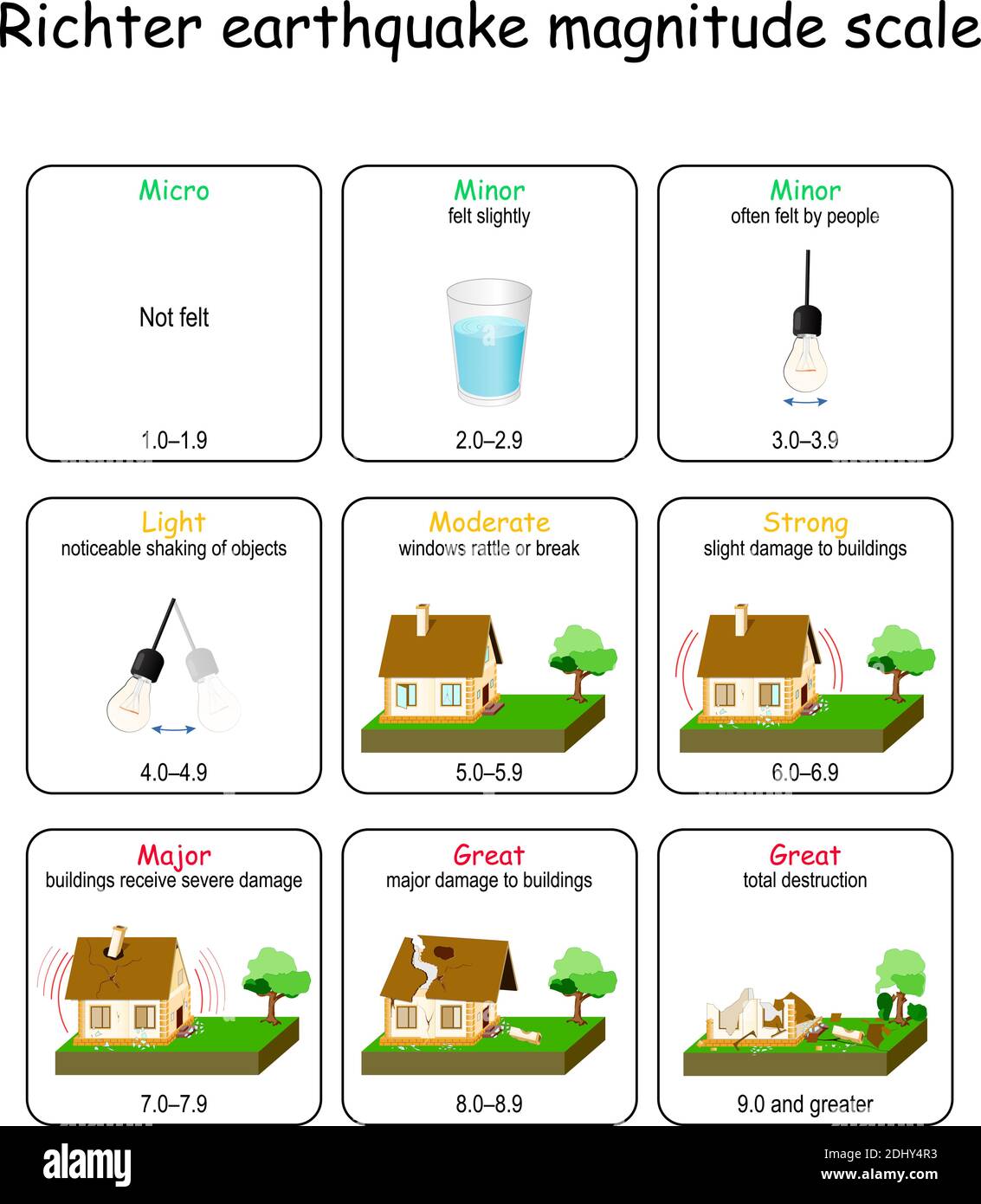
You are sitting at your desk when the floor starts rolling like an ocean wave. Concrete cracks, walls buckle, and everything goes black. Within seconds, you are buried under tons of shattered debris.
If you are lucky enough to survive the initial impact, a ticking clock immediately starts. How long do you have before time runs out?
The standard answer from emergency planners is about one week. Most successful rescues happen within the first 24 hours. After that golden window closes, survival rates plummet with every passing hour. Yet, miraculous exceptions occur where individuals endure for weeks. Understanding what separates life from death in these extreme situations comes down to a brutal mix of biology, physics, and luck.
The Reality of the Golden Window
The first day is your best shot. Data from global disasters shows that if you are pulled out within 24 hours, your chance of survival sits at around 80%.
As the days tick by, those numbers drop sharply. By day three, survival rates fall drastically. By day five, finding someone alive becomes rare. Most international search and rescue teams look at the seven-day mark as the practical limit for operations.
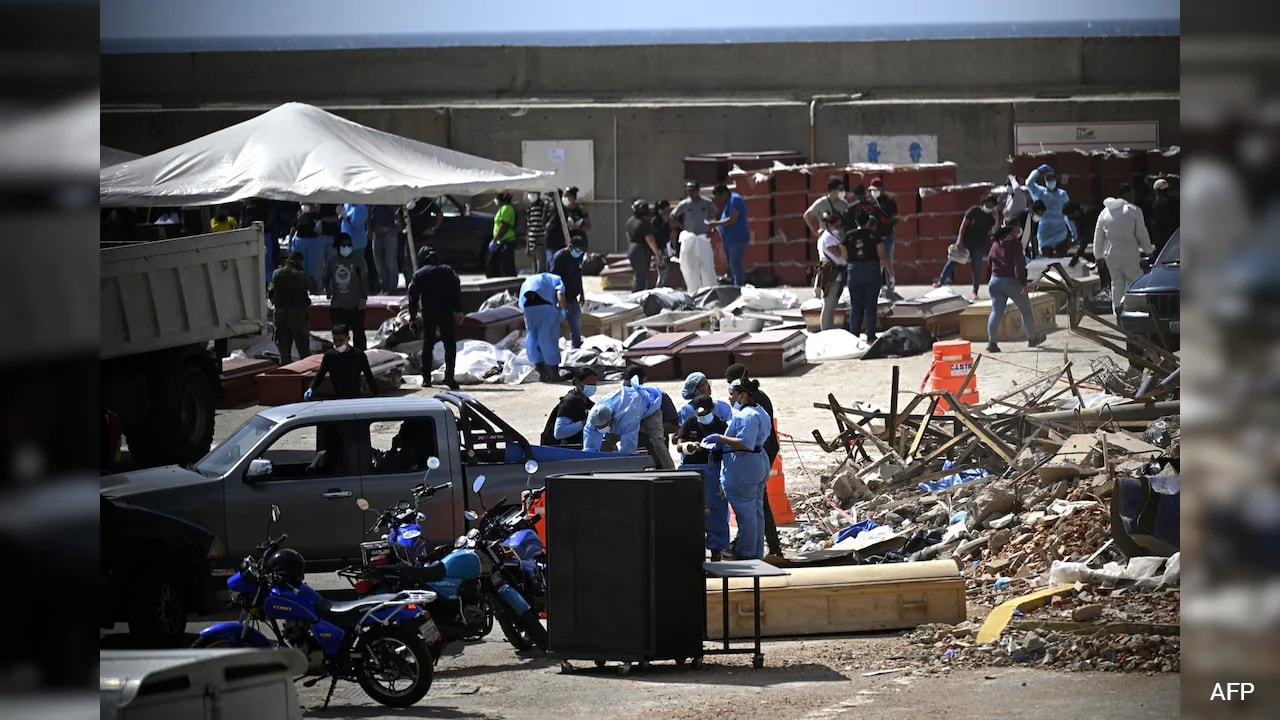
But people still beat the odds. Following the recent powerful earthquakes that struck La Guaira, Venezuela, collapsing over 770 buildings, rescue teams have been working against time. Incredible stories emerged from the region, like an 18-day-old infant pulled alive from an eight-story apartment ruin after 32 hours. The baby survived because his mother, Dayana Patino, used her own body as a shield.
Historically, survivors have pushed past two weeks. A 16-year-old girl in Haiti survived 15 days in the rubble back in 2010. In 2011, a teenager and his 80-year-old grandmother were pulled from their flattened home in Japan after nine days. These aren't typical cases, but they show what the human body can endure under specific conditions.
The Checklist of Survival
Four main elements dictate exactly how long a person stays alive under a collapsed building. If even one of these fails, the timeline shrinks instantly.
1. The Right Structural Pocket
You need a space to exist. Experts call this a survivable void space. If a building pancakes completely, the physical trauma kills instantly. But if you are under a heavy oak desk, a concrete beam, or a sturdy structural arch, these objects can bear the weight of the falling debris, creating a small, protective pocket.
2. Air and Environmental Hazards
A void space means nothing if you can't breathe. Dust inhalation is an immediate threat in building collapses. Thick concrete dust can suffocate a person faster than a lack of oxygen. Furthermore, ruptured gas lines, smoke from localized fires, or leaking household chemicals can quickly turn an underground pocket toxic.
3. Hydration Over Food
You can go weeks without eating, but water is your hard limit. The human body needs fluids to keep organs running. In moderate temperatures, a person might survive three to five days without water. If a trapped individual happens to have access to a water source—like a leaking pipe or rainwater trickling through the cracks—their survival window expands significantly.
4. Severe Weather and Temperature
The environment outside the rubble heavily dictates the climate inside. Extreme heat accelerates dehydration, causing heatstroke and organ failure within days. On the flip side, freezing weather brings the threat of hypothermia. Trapped individuals often lack the space to move around and generate body heat, making cold environments exceptionally deadly.
The Dangerous Threat of Rescue Shock
Sometimes, the act of pulling someone out can kill them. Medical experts warn of a condition known as crush syndrome or traumatic rhabdomyolysis.
When a heavy object compresses a limb for hours, blood flow stops, and muscle tissue begins to die. This cellular breakdown creates a massive buildup of toxins, including potassium and myoglobin. While the person remains trapped, the pressure keeps those toxins localized.
The moment rescuers lift the heavy beam off the victim, blood rushes back into the area. This flushes the wave of toxins straight to the heart and kidneys. It can cause sudden cardiac arrest or acute kidney failure. Because of this, specialized medical teams must start administering intravenous fluids and medications to the victim before lifting the debris.
What You Should Do If Trapped
If you ever find yourself in this nightmare scenario, your actions in the first few minutes matter.
- Protect your airway. Cover your mouth and nose with your shirt or any cloth to filter out the thick concrete dust.
- Assess your immediate space. Check for any unstable debris directly above you that might shift if you move.
- Conserve your energy. Do not scream continuously. You will dry out your throat and waste precious hydration.
- Signal smartly. Tap on pipes, metal beams, or walls in rhythmic bursts of three. Sound travels remarkably well through dense building materials, and search teams use sensitive acoustic equipment to listen for rhythmic tapping.
- Manage your phone battery. If you have a working phone, don't waste battery scrolling or making endless calls if there is no signal. Turn down brightness, turn off background apps, and try sending text messages or checking for a signal in short, planned spurts once or twice a day.