You think you're safe living in a Western democracy, miles away from the brutal dictatorship you escaped. Then you walk out of your house on a quiet Friday afternoon in south London, and two men knife you in the street.
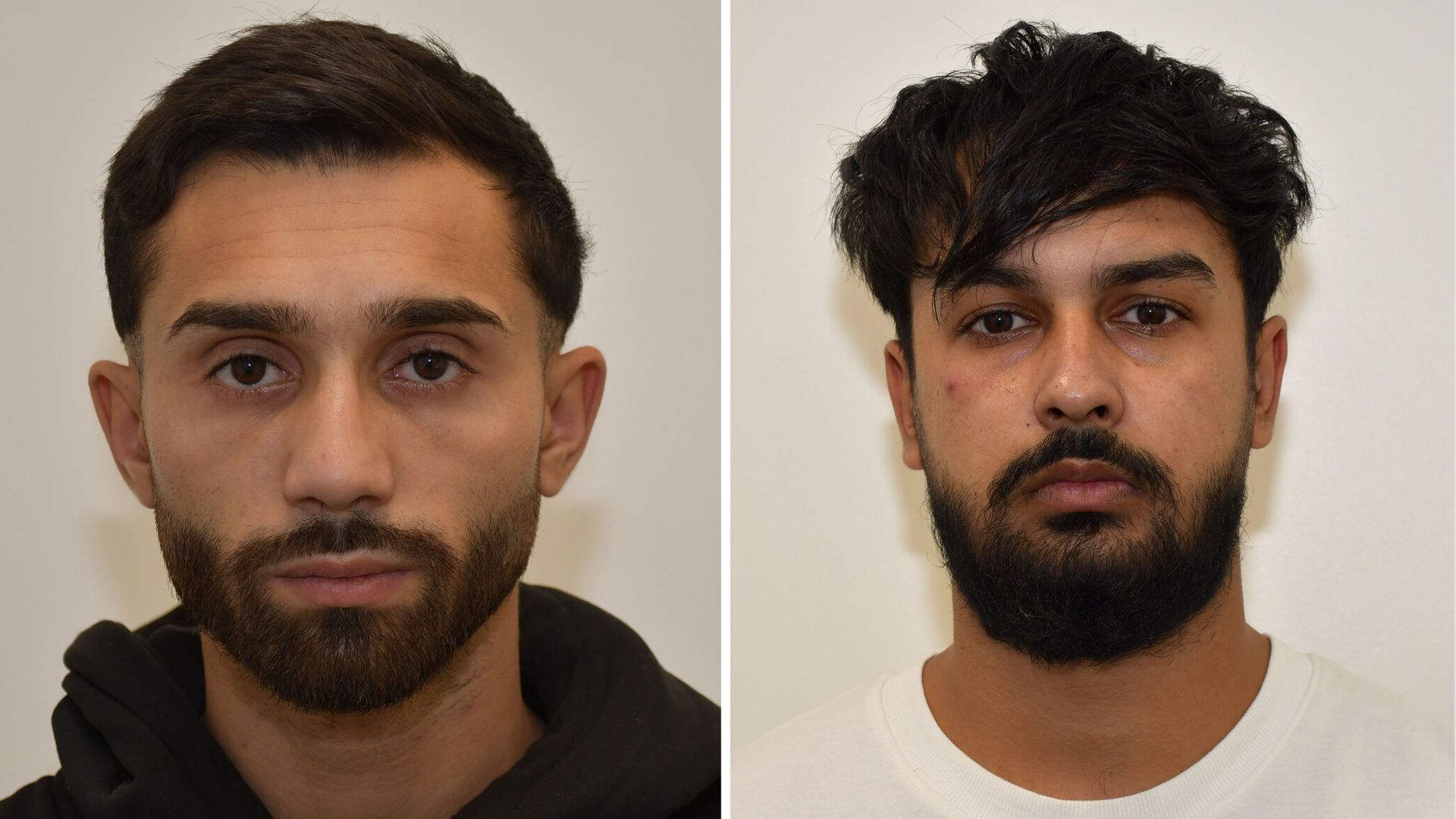
That's the terrifying reality Pouria Zeraati faced outside his Wimbledon home. Today, two Romanian nationals, George Stana and Nandito Badea, received double-digit and near-double-digit prison sentences at the Old Bailey. Stana got 12 years. Badea got eight. But the real story isn't about these two low-level criminals who were recruited for quick cash. It's about who pulled the strings from thousands of miles away.
Mrs Justice Cheema-Grubb made it perfectly clear during the sentencing. The evidence overwhelmingly points to an attack carried out on behalf of the Iranian regime. This wasn't a random street mugging or a localized dispute. It was a cold, calculated hit ordered by a foreign government on British soil.
If you're an independent journalist or political dissident, this case changes the security equation entirely.
The Cheap Proxy Problem
Foreign dictatorships used to send their own trained intelligence agents to eliminate targets abroad. Think of the Russian agents who poisoned Alexander Litvinenko or Sergei Skripal. Those operations required sophisticated state apparatus logistics. Today, the strategy has shifted to something far more insidious, cheap, and harder to track. They hire local or third-country criminals.
Iran didn't send its own agents to Wimbledon. They hired Romanian gang members who bought a cheap blue Mazda 3 on Facebook Marketplace.
The prosecution proved that Stana, Badea, and a third accomplice named David Andrei traveled to the UK months before the attack to conduct hostile reconnaissance. They watched Zeraati. They knew his schedule. On March 29, 2024, they struck. One man pinned Zeraati down while another stabbed him three times in the thigh. They dumped the car, cleaned it with Dettol, ran to Heathrow, and boarded a flight to Geneva within hours.
They thought they flew away from justice. They were wrong. Counter Terrorism Policing tracked them down in Romania by December 2024, leading to their extradition and conviction.
This outsourcing of state violence is a growing nightmare for Western security agencies. It's low-risk for Tehran. If the hitmen get caught, the state denies everything. The criminals often don't even know the true identity of the person paying them through encrypted apps and cryptocurrency.
When a Free Press Becomes a Target
Pouria Zeraati is a prominent face on Iran International, a Persian-language satellite news channel that provides unfiltered news to millions of people inside Iran. The theocratic regime in Tehran hates the network. In 2022, Iran officially designated the station as a terrorist organization.
Before the attack, Zeraati discovered his face printed on "Wanted: Dead or Alive" billboards in the middle of Tehran. Think about that for a second. You're broadcasting the news in London, and your face is plastered on state-sponsored bounty posters in your homeland.
The threats got so bad in 2023 that Iran International temporarily shut down its London studios and moved its entire operation to Washington, D.C. Security officials warned of imminent state-backed threats to the lives of British-Iranian journalists. They eventually returned to a heavily fortified new location in London, but the danger never actually faded.
Dictatorships are terrified of information. They can't control what their citizens see when independent satellite channels broadcast the truth. When they can't shut down the broadcast, they try to kill or intimidate the broadcaster.
The Massive Investigation That Cracked the Case
The Met's Counter Terrorism Policing London team did a brilliant piece of detective work here. When the stabbing first happened, it looked like a simple street assault. Because of the victim's profile, counter-terror cops grabbed the case instantly.
They didn't just look at the day of the attack. They looked backward.
They found a police log from March 2023. A full year before the stabbing, a sharp neighbor in Wimbledon called the cops about two men acting suspiciously in a communal garden. One of those men was George Stana. He was arrested back then but left the country the next day. That was the first round of hostile reconnaissance.
The police matched CCTV footage across London, analyzed mobile phone cell tower data, pulled Bolt taxi receipts, and dug into third-party bank accounts that funded the group's travel and hotels. The financial footprints proved these men weren't just tourists or casual thieves. Someone was bankrolling their entire stay in the UK specifically to execute this hit.
The Grim Reality of Transnational Repression
We need to call this what it is. Transnational repression. It's when an authoritarian state reaches across international borders to silence dissenters, journalists, and activists living in exile.
It happens far more often than people realize. It includes digital harassment, threatening family members who still live in the home country, spyware installations, and outright assassinations.
The British government summoned the Iranian ambassador following the convictions. They demanded an end to hostile state actions on UK soil. It's a standard diplomatic response, but honestly, words won't stop a regime that feels survival depends on crushing all dissent.
How Dissidents and Journalists Can Protect Themselves
If you are a target of a hostile foreign state, you can't rely solely on international diplomacy. You need a practical, day-to-day security strategy. Here are the immediate steps you should take to minimize your vulnerability to proxy attacks.
Secure Your Digital Footprint
Proxy actors rely heavily on open-source intelligence to find out where you live and where you hang out.
- Scrub your address from public registers, including the electoral roll.
- Stop posting real-time updates on social media. Never post photos of your home, your street, or your regular coffee shops.
- Use a PO Box or a corporate address for all mail deliveries and official registrations.
Build Community Vigilance
The only reason police caught onto the year-long stalking of Zeraati was because a neighbor noticed something weird and called it in.
- Get to know your neighbors. Let them know you work in a high-risk profession without necessarily making them paranoid.
- Ask them to keep an eye out for unfamiliar vehicles idling on your street or people loitering near your property.
- Install high-quality CCTV and a video doorbell that records to the cloud instantly.
Change Your Routines Permanently
Predictability is a killer. Criminal proxies look for easy patterns.
- Never leave your house at the exact same time every day.
- Vary your walking and driving routes to work or the grocery store.
- If you notice the same car or person twice in different locations, don't ignore it. Write down the license plate and report it to local law enforcement immediately.
The conviction of Stana and Badea proves that Western law enforcement can track down state-sponsored thugs. It sends a message to mercenary criminals that taking foreign money to attack dissidents in London or New York is a quick ticket to a brutal prison sentence. But the threat from the regimes themselves isn't going away anytime soon. Stay vigilant, protect your data, and watch your surroundings.