For decades, Lebanon has been a country with two armies. On one hand, you have the official Lebanese Armed Forces. On the other, you have Hezbollah, a heavily armed, Iran-backed militia that has long dictated the country's security and foreign policy. Now, the Lebanese government is making its most direct play yet to end this dual rule.
Lebanese Foreign Minister Youssef Raggi, speaking from the French Senate, declared that ending Hezbollah's military presence is a "sovereign Lebanese decision". According to Raggi, the days of parallel authority are over. There's no longer any place for weapons outside state authority, nor for national decisions made outside official constitutional institutions.
This isn't just empty rhetoric. It's the public face of a high-stakes plan that aims to alter the geopolitical landscape of the Levant. But can a historically weak Lebanese state actually disarm one of the most powerful non-state military forces in the world?
The Sovereignty Argument
Raggi is framing this move not as a concession to external pressure, but as a long-overdue assertion of domestic independence. He claims the decision to end Hezbollah's military arm actually preceded the trilateral framework agreement signed with Israel and the United States on June 26. By asserting that Lebanon's cabinet made this call independently, Raggi wants to push back against the narrative that Beirut is simply doing Washington or Jerusalem's bidding.
"The decision to end Hezbollah's military presence is a sovereign Lebanese decision," Raggi posted on X. He made it clear that decisions regarding war, peace, and international relations must rest exclusively with the Lebanese state.
At the same time, the Lebanese government is linking its internal security reforms to external actions. Raggi noted that deploying the Lebanese Armed Forces across the country—especially in the south—remains directly tied to Israel withdrawing fully from occupied Lebanese lands. It is a classic diplomatic balancing act: promising to rein in a militia while demanding Israel respect Lebanon's borders.
The Framework Agreement and the Road Ahead
The real test of this policy is happening on the ground. Lebanese President Joseph Aoun has been coordinating with Washington to push the framework agreement forward. He is scheduled to meet US President Donald Trump at the White House later this July, following up on a direct phone call earlier in the month.
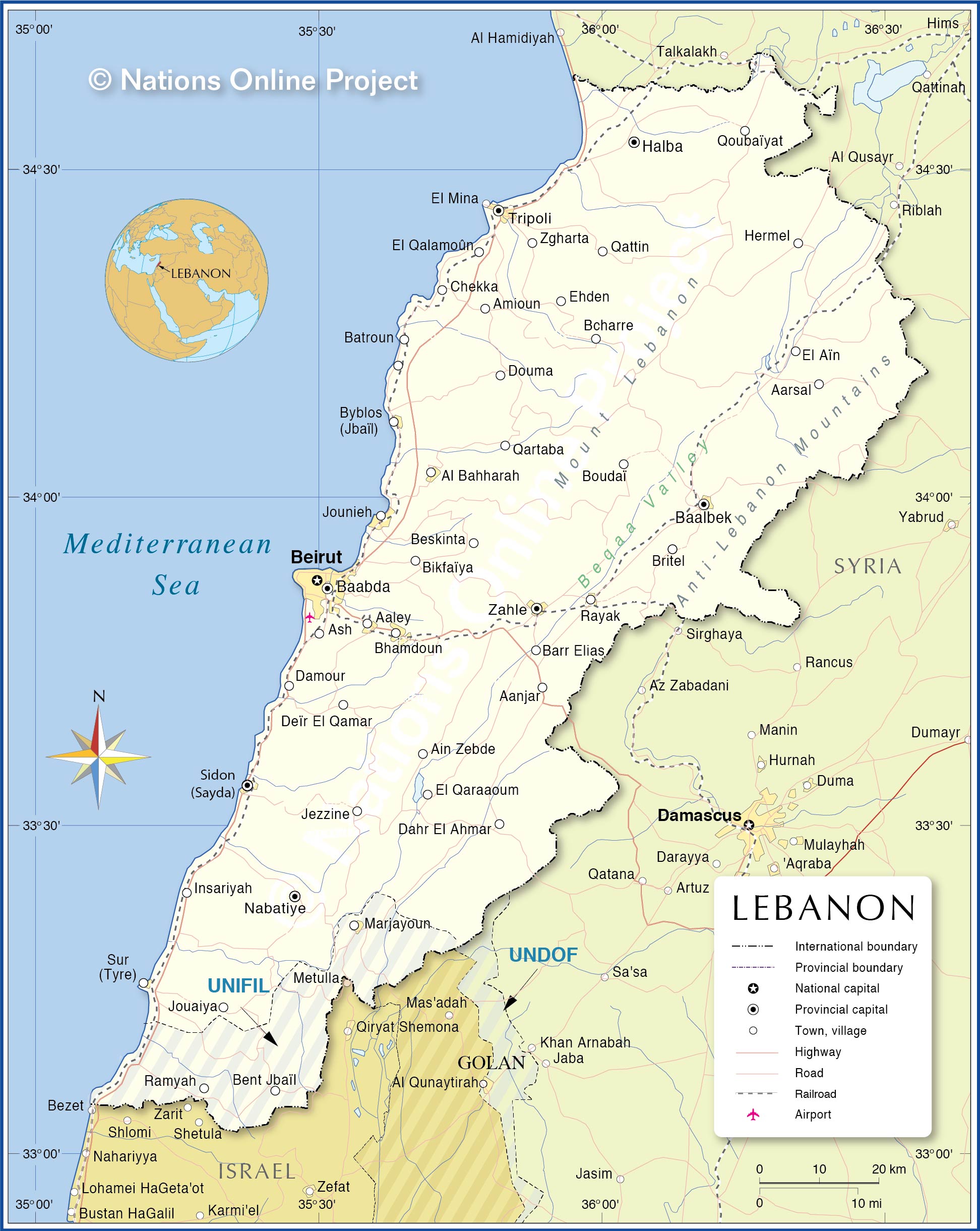
Aoun has admitted that the current framework agreement isn't perfect, but insists it reflects the realities of the balance of power. The plan is to execute a phased security transition, starting with a pilot deployment of the Lebanese army in Zawtar, located in the Nabatieh district. If the army can successfully secure Zawtar without clashes, it will serve as a blueprint for incremental Israeli withdrawals and further state deployments.
But there are massive hurdles.
- Internal Division: Hezbollah has already rejected previous disarmament timelines, and its political influence remains deeply entrenched.
- Israeli Border Friction: Control over strategic areas like the Ali Al-Taher hill remains highly contested. While Netanyahu reportedly agreed to let the Lebanese army control the hill, any minor skirmish could collapse the transition plan.
- Geopolitical Ties: Despite trying to disarm Iran's main proxy, Lebanon isn't cutting ties with Tehran. Aoun defended sending a minister to the funeral of Iran's late supreme leader, noting that diplomatic relations with Iran remain active.
The Reality of Disarming Hezbollah
Honestly, disarming Hezbollah is easier said than done. The group has thousands of battle-tested fighters, a massive rocket arsenal, and a sophisticated tunnel network. Raggi himself has pointed out that trying to separate Hezbollah's political wing from its military operations is a fantasy; they are the same entity.
For Lebanon to succeed, it needs more than just statements in European senates. The Lebanese Armed Forces will require massive logistical and financial backing from international allies. Raggi made it clear that Beirut isn't asking foreign powers to manage its internal crises, but rather to partner in its recovery.
The next few weeks will show whether this transition is a viable path toward a unified state, or if it will trigger another round of domestic instability.
Next Steps for Observers of the Region
If you are tracking the stability of the Middle East, keep a close eye on these specific indicators over the coming weeks:
- The Zawtar Pilot Deployment: Watch how the Lebanese Army's entry into the Nabatieh district plays out. If Hezbollah fighters quietly withdraw or integrate, the transition has a chance. If there is active or passive resistance, the framework is dead in the water.
- President Aoun's White House Visit: The outcome of the meeting between Aoun and Trump in late July will determine the level of financial and military aid heading to Beirut to support the disarmament transition.
- The Ali Al-Taher Hill: Monitor whether Israel honors its agreement to hand over this strategic high point to the official Lebanese military rather than keeping it as a buffer zone.