You think landing a plane on water is the ultimate safety net. It isn't. When a Kodiak 100 seaplane coming from the Hamptons slammed into New York City's East River on Sunday, it proved exactly how unforgiving urban waterways can be.
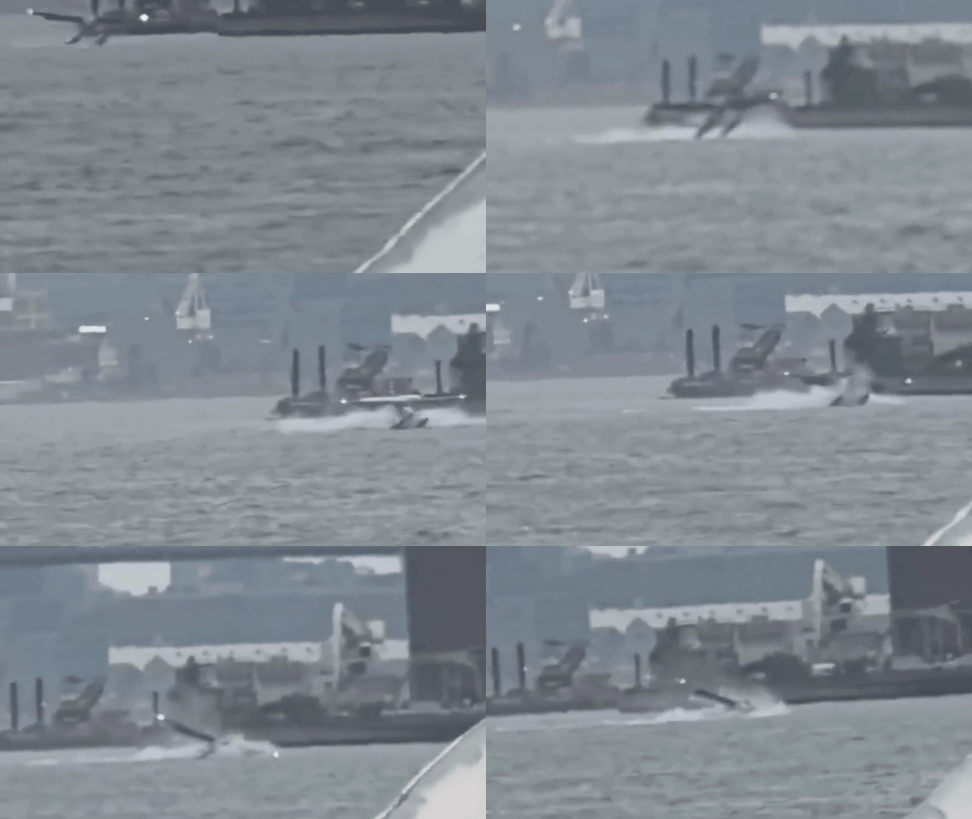
Eight people were on board when the aircraft tried to touch down near the East 23rd Street Skyport terminal. Instead of a smooth glide, the plane bounced hard against choppy water, snapped a wing strut, and partially capsized. Everyone made it out alive, but the dramatic rescue highlights a growing reality. The East River isn't a runway. It's a highly unpredictable tidal estuary.
The Illusion of a Safe Water Landing
People watch old news clips of the Miracle on the Hudson and assume river landings are a breeze. They aren't. Landing a floatplane on a busy river requires immense precision, and things go wrong fast.
The pilot of Sunday's flight had already aborted one landing attempt. Witnesses saw the aircraft turn around to try a second approach from the opposite direction. The water was rough and bouncy. When the floats hit the river surface at high speed, a harsh wake or a rogue wave can act like concrete.
In this case, the impact was severe enough to break the structural support of the wing. Once that strut snapped, the plane tipped, dipping its port wing completely under the water.
High Stakes on the East River
This isn't an isolated fluke. Just a month earlier, another seaplane needed an emergency rescue near the Throgs Neck Bridge after a wave hammered it during takeoff. Urban water highways are crowded, turbulent, and full of shifting currents.
The area near the 23rd Street dock is notorious for heavy boat traffic. Ferries, jet skis, and commercial vessels constantly churn up the water, creating unpredictable wake patterns. When you mix those water conditions with shifting wind tunnels created by Manhattan's skyscrapers, pilots face an absolute nightmare.
Recreational boaters who happened to be nearby were the first to rush over to help. They handed life jackets to the pilot before the NYPD and FDNY fleet took over the scene. Five rescue boats swarmed the half-sunken plane, pulled all eight occupants to safety, and eventually righted the aircraft to tow it back to the pier. Two people walked away with minor injuries. They got lucky.
What Happens Next for NYC Aviation
The Federal Aviation Administration is actively investigating the incident. They will be looking at the structural integrity of the Kodiak 100's landing gear, the wind data, and the exact sequence of the pilot's dual landing attempts.
If you regular fly these regional routes or track local aviation, keep a close eye on upcoming FAA safety advisories regarding commuter seaplane operations in high-traffic corridors. Expect tighter restrictions on allowable wave heights for East River landings in the near future.