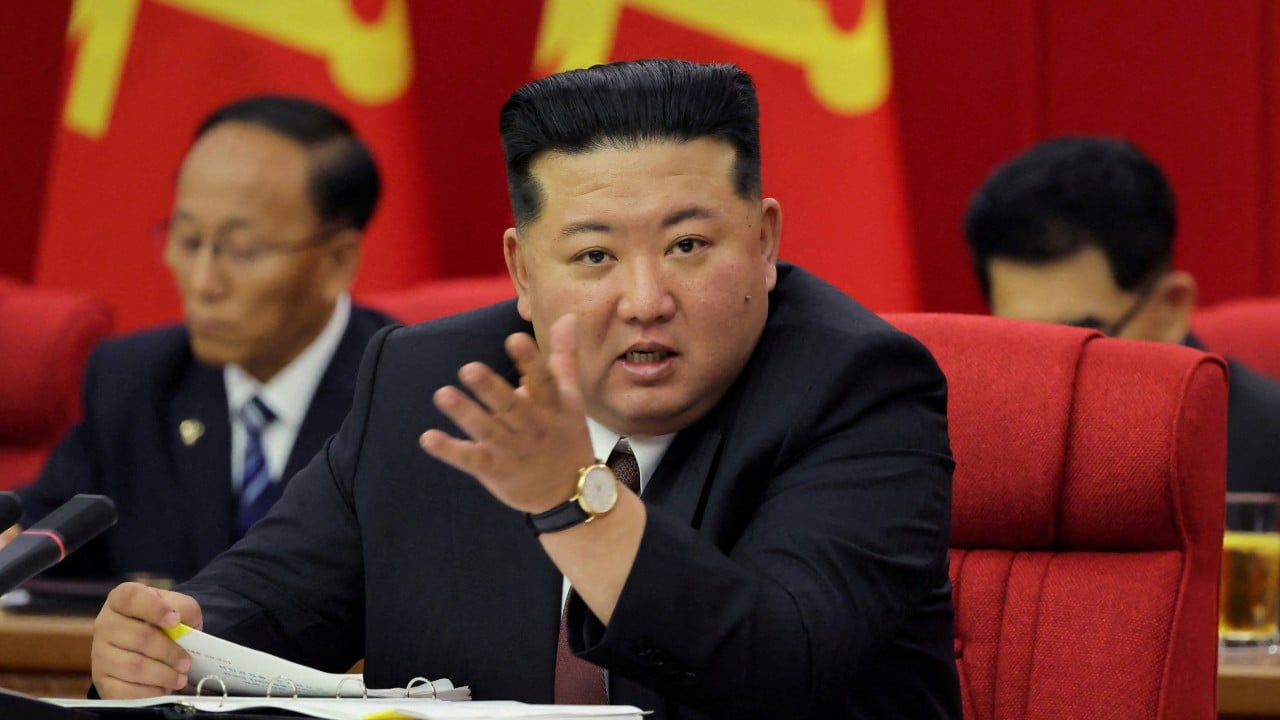
North Korea's state media usually sticks to a predictable script of military parades, missile launches, and carefully staged factory visits. That's why a sudden, explosive announcement out of Pyongyang sent shockwaves through the regional intelligence community. Kim Jong Un didn't just fire a general. He gathered the entire political, government, and military elite into one room for a massive, televised dress-down.
The target was Pak Hui Chol, a major general and former heavy hitter in the military's most feared oversight branch. The charge was corruption, but the real message was loud and clear. Nobody is safe. Recently making news in related news: Why The Us And Iran Fight Over Control Of Strait Of Hormuz Affects You Right Now.
If you follow North Korean politics, you know the regime rarely admits internal systemic rot. This time, they didn't just admit it. They shouted it from the rooftops, describing Pak’s actions as extra-large crimes that go beyond imagination.
This rare joint meeting marks a major internal shift. Kim Jong Un is cleaning house, and the military is directly in the crosshairs. Further insights into this topic are detailed by The Washington Post.
The Public Shaming of Pak Hui Chol
Pak Hui Chol wasn't just any officer. For four years, he served as the vice-director of organizational affairs for the General Political Bureau of the Korean People's Army. Think of this bureau as the regime's internal spy network inside its own military. It monitors every soldier, officer, and general for loyalty to the Kim family.
According to reports from the state-run Korean Central News Agency, Pak used this immense authority to build his own little empire. He took massive bribes from lower-ranking officers who wanted promotions. He granted favors, ignored rules, and acted like he was untouchable.
The Supreme Court stepped in. They stripped him of his rank and booted him from the Workers' Party. Kim Jong Un went a step further, calling Pak’s greed a political crime.
When a dictator labels corruption a political crime, it means the offender didn't just steal money. They threatened the throne.
Why the General Political Bureau Matters
To understand why this specific purge matters, you have to look at how North Korea controls its army. The military has over a million soldiers. It holds the weapons. It holds the tanks. Naturally, that makes any dictator nervous.
The General Political Bureau is the leash. Officers in this bureau approve promotions, manage political education, and report dissent. If the people holding the leash are corrupt, the entire control mechanism falls apart.
Kim Jong Un knows this well. This isn't the first time he has targeted this specific agency. Years ago, he purged top officials like Hwang Pyong So for similar infractions. By striking the bureau again, Kim is sending a brutal reminder to the watchdogs. Who watches the watchers? Kim does.
Shifting the Blame to Protect the Regime
Living conditions in North Korea are brutal right now. Sanctions are tight. Food supplies are unreliable. The economy is struggling. When the population is suffering, the regime needs a scapegoat.
Blaming a corrupt military official is a classic autocrat move. It tells the public that the system isn't broken. Instead, a few bad apples are ruining it for everyone.
- It makes Kim look like a champion of the common people.
- It redirects public anger away from the regime's failed economic policies.
- It tightens ideological control when external tensions are high.
By framing Pak’s greed as an anti-socialist and anti-people act, Kim creates a clear enemy. The message to the public is simple. The Supreme Leader is fighting for you against greedy bureaucrats.
The Real Risk for Kim Jong Un
Purging high-ranking officials is a dangerous game. Dictators need the absolute loyalty of their inner circle to survive. If you execute or imprison too many generals, the rest get desperate. Desperate generals do dangerous things.
Kim usually balances these purges with rewards. He gives out luxury apartments, high-end cars, and prestigious titles to those who stay loyal. But when the money dries up due to international sanctions, bribery becomes the primary way officials survive.
Corruption is the grease that keeps the North Korean machine moving. Every official takes bribes. It is how things get done. By turning a blind eye to most corruption but weaponizing it against specific targets, Kim maintains absolute power. Pak Hui Chol got too greedy, or perhaps he just got too powerful.
What Happens Next in Pyongyang
Don't expect this to stop with one major general. A purge of this scale always triggers a domino effect. Anyone associated with Pak Hui Chol is likely looking over their shoulder right now.
If you are tracking North Korean stability, watch the upcoming military appointments. Look at who fills the vacuum left by Pak’s allies. This will tell you which factions are gaining favor with Kim.
Keep an eye on state media accounts of regional party meetings. If the anti-corruption rhetoric intensifies, it means a wider sweep is underway.
Review the loyalties of your own organizational contacts if you work in regional security. The power balance in Pyongyang just changed. Adjust your risk models accordingly.


