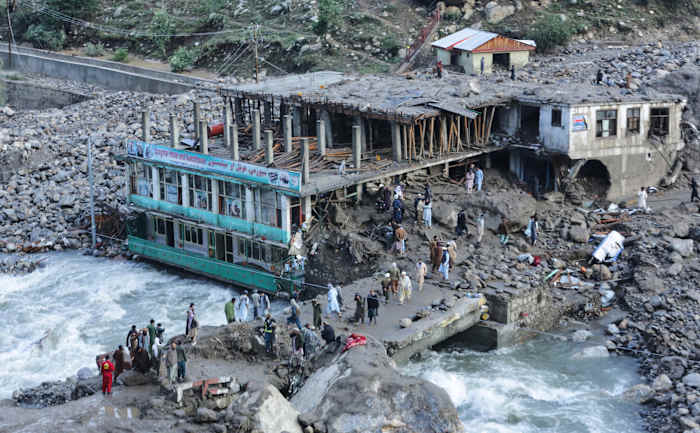
Disaster struck the eastern mountains of Afghanistan again on Monday, July 20, 2026. Heavy torrential rains swept down steep valleys in Nuristan province, triggering sudden flash floods that tore through communities, shattered homes, and swept away entire families.
At least 23 people are confirmed dead. Over 80 others suffer from injuries, and more than 100 people remain missing beneath tons of mud, smashed timber, and massive boulders. In the provincial capital of Parun, floodwaters completely leveled local markets, hotels, and government administration offices. Even the town's mayor and several municipal employees are reported missing.
Locals in Parun had to dig through thick sludge using hand shovels, sticks, and bare hands. Heavy machinery like bulldozers arrived late to the remote border region. Resident Zubair Ahmad recounted watching floodwaters carry bodies past destroyed shops in a matter of minutes.
This isn't an isolated tragedy. It's part of a relentless cycle.
The Deadly Factors Behind Afghanistan Flood Vulnerability
When heavy rains hit northeastern Afghanistan, water doesn't soak into the ground. It surges downhill at terrifying speeds.
To understand why these disaster figures keep climbing year after year, you have to look beyond just sudden weather events. A mix of environmental destruction, poor infrastructure, and geographic isolation turns summer rains into lethal torrents.
Massive Deforestation along the Border
Nuristan was once covered in dense pine and cedar forests. Over decades, illegal logging and timber smuggling stripped these mountainsides bare.
Trees act as natural sponges. Their roots hold soil together and absorb millions of gallons of rainfall during monsoon season. Without forest cover, rain hits exposed soil, creates mudslides, and hurtles unchecked straight down into populated river valleys.
Mud Construction and Lack of Infrastructure
Most homes and commercial structures in remote provinces like Nuristan are constructed from mud brick, stone, and wooden beams.
- Mud-brick homes disintegrate almost instantly when hit by rushing water.
- Buildings constructed along riverbanks in town centers like Parun sit directly in the flood path.
- Emergency warning systems don't exist in remote villages, leaving families zero time to evacuate.
- Broken mountain roads delay heavy rescue machinery and medical supplies for days.
Decades of Conflict and Economic Collapse
Decades of instability left Afghanistan without modern drainage systems, flood barriers, or properly equipped disaster relief teams. When natural disasters hit, rescue efforts fall almost entirely on traumatized local residents using whatever tools they can find.
Pattern of Climate Disasters Across the Region
This latest tragedy isn't happening in a vacuum. The entire South Asian region faces an increasingly volatile monsoon season in 2026, causing widespread flooding across neighboring Pakistan and India as well.
Afghanistan ranks among the most vulnerable countries to climate extremes globally, despite contributing virtually nothing to global carbon emissions. The weather pattern over the country flipped rapidly from severe prolonged droughts to intense downpours.
Looking back over recent memory shows how regular these events have become:
- Spring 2024: Flash floods killed over 300 people across northern and western provinces.
- Early 2026: Landslides and flooding killed at least 110 people across several regions.
- July 2026: Over 23 dead and 100 missing in Nuristan province alone.
The Ministry of Transport and Civil Aviation's meteorology department issued emergency warnings for 10 of Afghanistan's 34 provinces. Heavy thunderstorms, gale-force dust storms, and further flash flooding threaten river valleys throughout the week.
What Real Emergency Response Requires
Clear actions must happen immediately to save lives and prevent the next inevitable rainstorm from causing similar losses.
First, emergency international relief organizations must bypass political hurdles to get clean water, tents, and heavy earth-moving equipment into Parun and rural Nuristan before the missing toll turns into confirmed fatalities.
Second, local authorities need to enforce strict building bans along active riverbed zones. Constructing markets directly adjacent to mountain runoff paths guarantees future destruction.
Third, aggressive reforestation initiatives must take priority in eastern mountainous zones. Replanting mountain slopes remains the single most effective long-term defense against uncontrolled flash flooding in eastern Afghanistan.
Without immediate structural changes and reforestation, rural communities will remain trapped in this endless cycle of disaster and recovery.