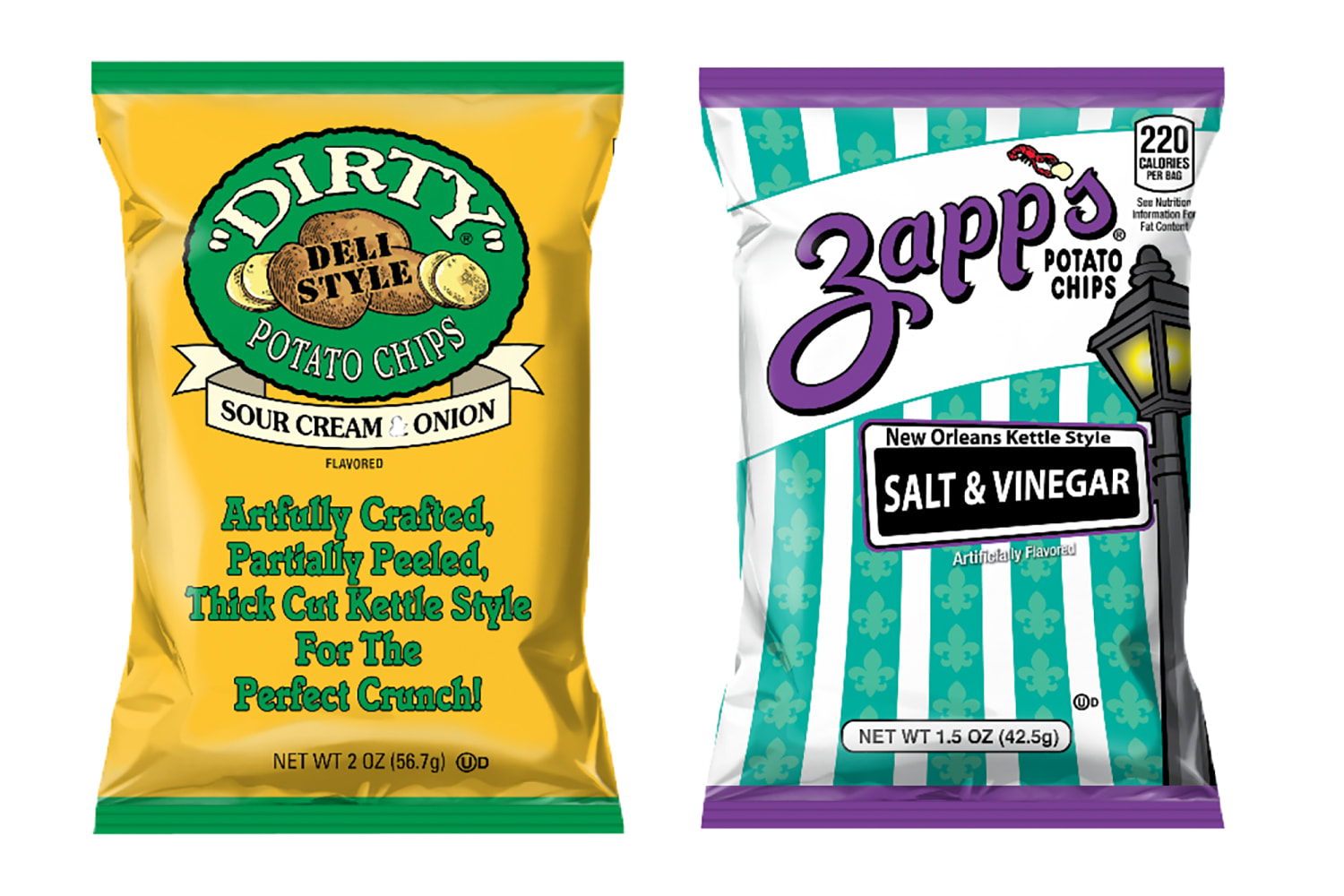
Don't eat those chips sitting in your pantry just yet. If you grabbed a bag of Zapp's or Dirty brand potato chips for your upcoming barbecue, you need to check the label immediately. What started as a quiet, voluntary safety measure has officially escalated into a serious federal warning. The Food and Drug Administration just slapped its highest-risk classification on a massive recall affecting over 600,000 bags of chips manufactured by Utz Quality Foods.
We aren't talking about a minor labeling mistake or a stray piece of plastic. This is a Class I recall, which means federal regulators believe there's a legitimate chance these snacks could cause severe illness or worse. Salmonella is the culprit here, and the way it sneaked into your favorite kettle chips exposes a massive vulnerability in how our food gets made.
The Reality Behind the Class I Warning on Your Favorite Snacks
When a brand like Utz pulls products from store shelves, they usually try to keep the tone as calm as possible. They call it an abundance of caution. They tell you it's a voluntary measure. But on June 24, the FDA stepped in and upgraded the threat level to Class I.
The regulatory jargon can sound confusing, but a Class I designation means the government thinks exposing people to this product carries a reasonable probability of causing serious health consequences or death. It is the most urgent warning the agency can issue. The government doesn't hand out these labels lightly. They do it when they know a dangerous pathogen has potentially penetrated the consumer supply chain.
The timing is incredibly frustrating for consumers. Millions of people are currently packing up grocery carts with snacks, dips, and sodas for summer cookouts. Potato chips are a staple of these gatherings. Discovering that nearly 685,000 bags distributed across 35 states are potentially carrying a dangerous bacteria throws a massive wrench into holiday plans.
Why Dry Milk Powder Trashed over Six Hundred Thousand Bags of Chips
You might wonder how a potato chip gets contaminated with Salmonella. Potatoes are fried at temperatures high enough to kill off pretty much any bacteria. The weak link isn't the potato. It is the seasoning dusted onto the chip after it leaves the fryer.
The issue stems from a third-party ingredient supplier that provided Utz with a specific seasoning blend. That seasoning contained dry milk powder manufactured by California Dairies Inc. The milk powder was subject to a completely separate recall due to Salmonella contamination. By the time the warning trickled down, the seasoning had already been mixed, shipped, and sprayed onto hundreds of thousands of bags of Zapp's and Dirty brand chips.
The worst part is that the affected seasoning batches actually tested negative for Salmonella before Utz used them. This happens more often than food companies care to admit. Spot testing is inherently limited. If a bacteria is unevenly distributed within a giant batch of powder, a random sample might come up perfectly clean, giving a false sense of security. It wasn't until the supplier issued its own recall that the dominoes started to fall.
The Breakdown of Affected Brands and Batch Codes
If you have these brands at home, you need specific numbers to figure out if your food is safe. The recall covers six distinct flavors split between Zapp's and Dirty brands. All of them carry best-by dates ranging between July 27 and August 31, 2026.
Look at the back of your bag for the following specific quantities and varieties caught in the net:
- Dirty Salt and Vinegar Potato Chips makes up the largest chunk of the recall with 300,595 bags affected.
- Zapp's Bayou Blackened Ranch Potato Chips has 179,837 bags included.
- Zapp's Bayou Blackened Ranch Kettle Chips accounts for another 164,640 bags.
- Dirty Sour Cream and Onion Potato Chips includes 19,200 bags.
- Zapp's Big Cheezy Potato Chips accounts for 14,976 bags.
- Dirty Maui Onion Chips rounds out the list with 5,000 bags.
The distribution footprint is massive. These snacks wound up on shelves in 35 states, including high-population areas like New York, New Jersey, Pennsylvania, Texas, California, and Florida. If you live anywhere in these regions, you can't assume your local grocery store missed the bad batch.
What a Class I FDA Rating Actually Means for You
Public health agencies use three distinct tiers to classify recalls. Understanding the difference can save you a lot of unnecessary panic, or in this case, tell you exactly when to take a threat seriously.
A Class III recall is the lowest level. It involves products that violate a minor rule but aren't likely to cause any health problems, like a slight weight miscalculation or a non-safety font issue on the label.
A Class II recall covers temporary or medically reversible health problems. Think of a product that might cause a mild rash or a passing stomach ache, but nothing that would land a healthy adult in the emergency room.
Then you have Class I. This is the danger zone. When a pathogen like Salmonella triggers a Class I designation, it means the risk is high enough that the food could cause life-threatening infections. It means the product is considered fundamentally unsafe for human consumption.
Symptoms of Salmonella and When to Take Action
Right now, Utz says they haven't received any official reports of illness linked to these chips. That is great news, but it shouldn't make you complacent. Salmonella can take anywhere from six hours to six days to manifest symptoms after you eat contaminated food.
For a healthy adult, an infection usually looks like a brutal case of food poisoning. You will experience a sudden onset of fever, severe stomach cramping, nausea, vomiting, and diarrhea that can sometimes be bloody. Most people manage to recover within a week without needing heavy medical intervention.
The story changes completely for vulnerable populations. Young children, senior citizens, and anyone with a compromised immune system face a much higher risk of severe complications. For these individuals, the bacteria can easily break out of the intestinal tract and enter the bloodstream. Once Salmonella gets into the blood, it can travel to other organs, causing life-threatening conditions like arterial infections, endocarditis, or severe arthritis.
If you or someone in your home ate these chips and started showing these symptoms, don't just wait it out. Call a doctor. Let them know specifically that there was potential exposure to a Class I recalled food product so they can run the correct tests.
How Food Supply Chains Break Down in Plain Sight
This situation highlights a systemic problem in the modern food industry. You buy a bag of chips with a familiar logo, assuming that the company on the front of the bag controlled the entire production process from farm to shelf. In reality, food production relies on a dizzying web of global and domestic subcontractors.
A single bag of flavored chips requires potatoes, specific frying oils, salts, sugars, dairy derivatives, and complex flavor chemicals. Each of those components comes from different suppliers, who often source their raw materials from even smaller sub-suppliers. When California Dairies Inc. experiences a contamination event, it creates a ripple effect that compromises dozens of entirely unrelated brands that rely on their milk powder.
Tracking these ingredients in real time is an absolute nightmare for regulators. It explains why the original voluntary recall happened in late April, but the official Class I upgrade didn't hit the enforcement reports until late June. It takes weeks of investigative tracking, auditing supplier logs, and verifying distribution manifests to realize just how far the contaminated ingredients traveled. By the time the public gets the full picture, the food has been sitting on kitchen counters for months.
Next Steps to Secure Your Refund and Check Your Pantry
Do not take a gamble on this. If you find one of the affected bags in your kitchen, do not open it. Do not taste a chip to see if it tastes off. Salmonella doesn't change the look, smell, or taste of food. A perfectly crisp, delicious-tasting chip can still be loaded with bacteria.
Take these immediate actions to handle the situation:
- Take a photo of the front and back of the bag, making sure the best-by date and the barcode numbers are clearly visible. You will want this documentation for verification.
- Throw the bag away immediately. Put it in a sealed trash can where pets or wildlife can't dig it out.
- Wash your hands thoroughly with warm water and soap after handling the packaging. Clean the pantry shelf where the bag was sitting just to be entirely safe.
- Contact the Utz Customer Care team directly at 1-877-423-0149. They are handling inquiries and setting up refunds for affected consumers during standard weekday business hours.
Don't let a bad batch of seasoning ruin your summer gatherings. Check your stash, dump the bad bags, and stick to safe batches for your next cookout.
Utz recalls potato chip flavors over salmonella risk
This news broadcast provides a quick visual rundown of the specific Zapp's and Dirty brand potato chip bags caught up in the federal salmonella warning.